Essential Pipeline Maintenance Services Explained
Pipelines are built to move critical products safely and efficiently, often over long distances and through places where failure is not an option. But no pipeline is “install and forget.” Over time, internal buildup, corrosion, pressure cycles, and ground movement all take their toll.
That’s where essential pipeline maintenance comes in. When inspection, cleaning, testing, and repair are planned and coordinated, operators can keep systems safe, compliant, and productive for years beyond their original design expectations.
This guide explains the core services every operator should understand—and how APS helps turn those services into a practical maintenance program.
Why Pipeline Maintenance Matters
Pipelines serve communities, industries, and critical infrastructure. When they fail, the consequences can be serious. Essential pipeline maintenance is about preventing those failures before they happen.
Safety and Environmental Protection
The most important reason to maintain pipelines is safety. A small defect left unaddressed can grow into a leak or rupture that threatens people, water sources, and land. Regular inspection and maintenance allow operators to identify corrosion, deformation, and coating failures in time to act.
For lines carrying oil, gas, chemicals, or wastewater, the stakes are even higher. Proactive maintenance reduces the likelihood of releases and gives operators confidence that they are meeting their responsibilities to the environment and the communities they serve.
Operational Efficiency and Cost Control
Maintenance also has a direct impact on day-to-day performance. Internal buildup, scale, wax, and debris all restrict flow and increase friction. Pumps and compressors work harder, energy costs rise, and throughput drops.
By keeping pipelines clean and in good condition, operators maintain design capacity and reduce operating stress on equipment.
Planned maintenance is always less expensive than emergency repairs and unplanned downtime.
Asset Longevity and Compliance
Every pipeline has an expected life, but that life is not fixed. Essential maintenance services—inspection, cleaning, testing, and internal protection—can extend the useful life of existing assets and delay costly replacements.
Regulation and internal integrity programs increasingly require operators to document how they manage pipeline threats over time.
Maintenance isn’t just about what happens in the field today; it’s also about having a clear record of inspections, tests, and repairs to support audits and risk assessments tomorrow.
Core Pillars of Essential Pipeline Maintenance
Effective pipeline maintenance rests on a few core pillars. Each service plays a distinct role, and together they form the backbone of a strong integrity program.
Inspection and Condition Assessment
Inspection is the foundation. Without accurate information about the condition of your lines, it’s impossible to make good maintenance decisions.
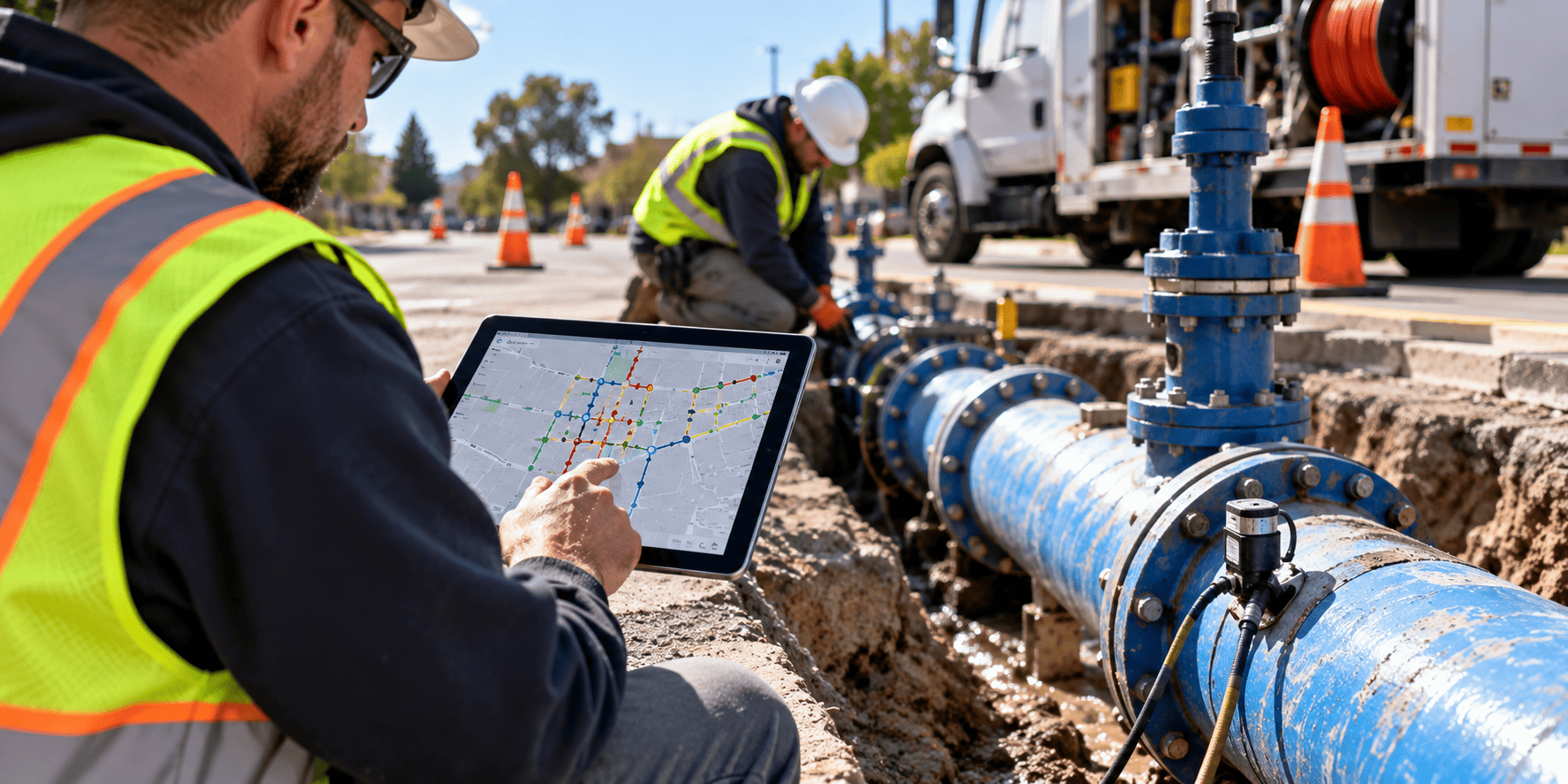
Inline inspection, or intelligent pigging, uses sensor-equipped devices that travel inside the pipeline to detect metal loss, dents, and other anomalies.
These tools can identify internal and external corrosion, pitting, and deformation along the entire route of the line.
In addition to inline inspection, operators may use visual walkthroughs, external NDE, or local ultrasonic checks where pigging is not practical.
At APS, Pipeline Inspection / Pipeline Condition Analysis turns inspection results into clear, usable information. Our team doesn’t simply pass along data; we interpret what it means for your pipeline’s integrity, identify high-priority features, and help you understand where maintenance focus will have the greatest impact.
Pipeline Cleaning and Pigging
Cleaning is one of the most overlooked, yet essential, pipeline maintenance services. Over time, product residues, scale, biofilm, and debris accumulate inside pipelines. This buildup can reduce capacity, create under-deposit corrosion, and interfere with inspection tools.
Conventional pigging uses mechanical devices to sweep the interior of the line, pushing out solids and restoring a smoother bore. This not only improves flow but also makes subsequent inspections far more effective.
For water and force mains, APS offers Ice Pigging™, an advanced cleaning method that uses an ice slurry to scour internal surfaces without aggressive mechanical contact.
Ice pigging can remove deposits and biofilms in a controlled way, often with less water and downtime than traditional approaches.
Our Pipeline Cleaning services are tailored to product type, line condition, and maintenance goals. We design cleaning programs that fit your operations and integrate seamlessly with inspection and testing activities.
Pressure Testing and Verification
Inspection tells you what defects exist. Pressure testing proves the system can withstand defined loads without failure. Both have a place in essential pipeline maintenance.
Hydrostatic testing involves filling a pipeline with water and pressurizing it to a specified level, typically above normal operating pressure. This confirms that the line can hold pressure and helps validate repairs, tie-ins, or changes in service.
In situations where water is undesirable—such as cold climates, moisture-sensitive systems, or smaller station lines—nitrogen can be used instead.
Nitrogen pressure testing uses dry, inert gas to verify leak tightness and strength while avoiding the need for drying and water disposal.
APS has extensive experience with hydrostatic testing and nitrogen testing, integrating these services into pre-commissioning projects and ongoing maintenance programs.
Corrosion Control and Internal Protection
Corrosion remains one of the leading causes of pipeline failure. Cleaning and inspection identify where corrosion is occurring. Protective measures help slow it down.
Internally, contaminants and stagnant areas can accelerate metal loss. After cleaning and defect repair, internal pipe coating can be applied to create a protective barrier between the steel and the transported product.
APS combines cleaning, inspection results, and internal coating strategies to support life extension for aging pipelines. By targeting coating to the right places and conditions, operators can reduce corrosion rates and stretch the value of existing infrastructure.
Repair, Rehabilitation, and Life Extension
Maintenance doesn’t stop with finding defects; it continues through effective repair and rehabilitation.
Inspection and pressure test results guide where to dig, what to replace, and how to reinforce vulnerable segments. Instead of replacing entire lines, operators can focus on high-risk locations, perform targeted repairs, and then protect the remaining sections with internal coating or other mitigation measures.
APS supports this process through our condition analysis work and our ability to tie inspection outcomes to practical repair and rehabilitation plans that fit your operating and budget constraints.
Data, Planning, and Integrity Management
Every inspection, cleaning, and test generates valuable data. When captured and organized, that data becomes the backbone of risk-based maintenance planning.
Tracking which segments have been cleaned, coated, tested, or repaired—along with their defect history—allows operators to identify trends and adjust maintenance frequency accordingly. It also supports regulatory reporting and internal integrity management requirements.
APS brings a systematic perspective to maintenance planning. We help operators use their existing data, and the results of our services, to structure a program that is truly preventive rather than reactive.
Preventive vs Reactive Pipeline Maintenance
There are two ways to deal with pipeline problems: respond when they appear, or work to prevent them from developing in the first place.
The Cost of Waiting for a Failure
Reactive maintenance often starts with an alarm, a leak report, or an unplanned shutdown. At that point, the options narrow. Emergency repairs are typically more expensive, more disruptive, and more visible to regulators and stakeholders.
Beyond the direct repair costs, unplanned outages can impact customers, contract commitments, and facility operations.
In many cases, a failure also triggers more frequent inspections and reporting requirements going forward.
Building a Preventive Maintenance Cycle
Preventive pipeline maintenance is built around cycles of inspection, cleaning, testing, and repair carried out on a schedule informed by risk. Pipelines in higher-consequence areas or with more aggressive service may need more frequent attention. Lower-risk lines may require less frequent, but still consistent, maintenance.
When APS helps design a maintenance cycle, we look at age, product, construction details, environmental exposure, and inspection history.
The goal is to find a cadence that keeps risk at an acceptable level without creating unnecessary downtime.
Risk-Based and Condition-Based Approaches
Risk-based maintenance focuses resources where the potential consequences of failure are highest or where the likelihood of problems is greatest.
Condition-based maintenance uses actual inspection and testing results to determine when interventions are needed.
Inline inspection data, pressure test results, and coating condition reports all feed into these approaches. APS supports both strategies by providing services and insights that give operators a realistic picture of pipeline condition and risk.
Essential Pipeline Maintenance Services from APS
While “pipeline maintenance” can mean many things, APS focuses on a connected set of services that work together to protect your assets.
Pipeline Inspection and Condition Analysis
Our Pipeline Inspection / Pipeline Condition Analysis services help you understand what is happening inside your pipelines. From planning inline inspection runs to interpreting results, we ensure the data you receive is accurate, relevant, and directly tied to maintenance decisions.
We prioritize clarity in reporting, so your team can move from findings to field action without delays.
Cleaning, Pigging, and Ice Pigging™
APS’s Pipeline Cleaning and Ice Pigging™ services restore capacity and prepare pipelines for inspection and coating. Regular cleaning runs can become a core component of routine maintenance, especially for crude, refined product, and water systems.
By controlling internal buildup and creating a clean surface, cleaning services also improve the performance of pressure testing and internal coating applications.
Pre-Commissioning, Hydrostatic Testing, and Nitrogen Testing
For new lines or systems returning to service after major work, Pipeline Pre-Commissioning ensures that cleaning, drying, and testing are carried out in a logical, efficient sequence.
Our hydrostatic and nitrogen pressure testing capabilities confirm that pipelines can safely hold pressure and are ready for operation. These services can also be used as part of periodic maintenance or revalidation programs.
Internal Pipe Coating and Life Extension
For pipelines with corrosion history or limited replacement options, internal protection can be a critical maintenance tool. APS applies internal pipe coating after proper cleaning and preparation, helping operators reduce corrosion rates and extend the life of existing infrastructure.
Mapping, Turnkey, and Consulting Support
Understanding the physical route and environment of a pipeline is just as important as understanding its internal condition. APS’s mapping services provide insight into alignments, elevations, and external hazards.
Our turnkey and T&M consulting support helps operators design maintenance programs that stay aligned with budgets, regulations, and long-term asset strategies.
Signs Your Pipeline Network Needs Maintenance Attention
Not every pipeline issue is obvious, but certain signs suggest that essential maintenance may be overdue.
Operational changes—such as increased pressure drops, reduced throughput, or higher energy consumption—can indicate internal buildup or developing restrictions.
Assets with limited records, aging coatings, or known history of corrosion require closer attention. And when regulations change, or when similar assets in your sector experience failures, it’s often a signal to review your own maintenance plans.
APS can help assess where your current program stands and identify which lines should be prioritized for inspection, cleaning, or testing.
Getting Started with a Pipeline Maintenance Plan
Developing an effective maintenance plan doesn’t have to be complicated. It starts with understanding what you have, where it is, and how it has been operating.
From there, you can rank pipelines based on age, service, location, and consequence of failure. Lines that carry higher risk or have the least information typically move to the top of the list.
Once priorities are set, APS can help you design a program that integrates inspection, Pipeline Cleaning, Ice Pigging™, Pipeline Pre-Commissioning, hydrostatic and nitrogen testing, internal coating, and mapping into a coherent strategy that fits your operations.
Frequently Asked Questions About Pipeline Maintenance
What is considered essential pipeline maintenance?
Essential pipeline maintenance includes inspection, cleaning, pressure testing, corrosion control, and repair or rehabilitation activities that keep pipelines safe, efficient, and compliant. These services work together to manage corrosion, debris, and structural integrity over the life of the asset.
How often should pipelines be inspected and cleaned?
The right interval depends on factors such as product type, age, environment, and regulatory requirements. High-risk lines may need more frequent inspection and cleaning than lower-risk ones. Inline inspection and condition analysis results are often used to refine maintenance intervals over time.
What maintenance services reduce internal corrosion in pipelines?
Cleaning to remove deposits, followed by appropriate internal protection, is key. Removing scale, wax, and biofilm reduces under-deposit corrosion, while internal pipe coating can provide a barrier between the steel and the transported product.
What is the role of pigging in pipeline maintenance?
Pigging is central to pipeline cleaning and inspection. Cleaning pigs remove debris and buildup, while smart pigs collect data on wall thickness, dents, and other defects. Techniques like Ice Pigging™ provide specialized cleaning options for water and force mains.
How do hydrostatic and nitrogen testing fit into pipeline maintenance?
Hydrostatic and nitrogen testing verify that a pipeline can safely hold pressure and is leak-tight. They are often used after repairs, tie-ins, or major projects, and they can be part of periodic revalidation programs to confirm ongoing strength.
Can an older pipeline still benefit from maintenance instead of replacement?
Yes. Many older pipelines can continue to operate safely when they are cleaned, inspected, repaired, and internally coated as needed. Maintenance extends life and allows operators to plan replacements on their own schedule rather than in response to an emergency.
How can American Pipeline Solutions help with my pipeline maintenance plan?
APS provides integrated services that cover inspection, cleaning, Ice Pigging™, pre-commissioning, pressure testing, internal coating, mapping, and condition analysis. We help you prioritize assets, design maintenance programs, and execute field activities that improve safety, reliability, and long-term performance.
Challenging Pipeline Inspection
Pipelines are built to move energy and water safely, often in places that are hard to reach and even harder to see. Over time, many of these lines end up in a category operators know well: challenging or “unpiggable” pipelines.
These are lines that cannot be inspected with conventional tools or standard smart pigging runs—yet they still carry critical fluids through cities, river crossings, plants, and sensitive environments.
At American Pipeline Solutions (APS), challenging pipeline inspection is not an exception. It is a core part of how we help operators protect assets, reduce risk, and meet regulatory expectations.
This blog explores what makes a pipeline difficult to inspect, why traditional approaches fall short, and how APS combines cleaning, smart pigging, Ice Pigging™, inspection, and consulting to turn “unpiggable” lines into inspectable assets.
What Makes a Pipeline “Challenging” or “Unpiggable”?
Not every pipeline was designed with inspection in mind. Some were installed decades ago under roads and rivers. Others were built as compact station piping with tight elbows and complex manifolds. Over time, operating conditions change, tie-ins are added, and drawings go missing.
A pipeline becomes “challenging” when one or more of these factors make standard in-line inspection (ILI) or pigging difficult, risky, or impossible.
Geometric and Design Challenges
Geometry is one of the biggest reasons a line is labeled unpiggable. Tight bends, short-radius elbows, mitred bends, and back-to-back fittings can stall or damage conventional pigs.
Multi-diameter segments—such as transitions between two nominal sizes—or lines with wyes and tees add more complexity.
Non-metallic or heavily lined pipe sections, like HDPE or cement-lined segments, can also limit which technologies can be used. In many older systems, the pipeline was simply never equipped with proper launchers and receivers, so there is no obvious way to introduce or retrieve an inspection tool.
Operational and Product Constraints
Even when the geometry looks manageable on paper, operations can work against you. Low or unstable flow may not provide enough energy to push a conventional pig.
Some systems cannot be shut down or depressurized, so inspection has to happen with the line live.
High temperatures, slurries, or aggressive fluids can damage tools or distort signals. In other cases, operators cannot change the product, batch, or flow profile enough to meet the requirements of standard ILI tools.
Access and Location Limitations
Many of the most challenging pipelines are buried deep, cross rivers or highways, run through plants, or sit under busy intersections and airports. Installing a launcher or receiver in these locations can be difficult, time-consuming, or disruptive.
Even if the pipeline can be accessed, above-ground space may be cramped, with limited clearance or nearby structures, making safe pigging operations more complex.
Age, Condition, and Legacy Design
Aging infrastructure adds another layer of difficulty. Vintage welding techniques, undocumented tie-ins, older coating systems, and unknown changes along the route can make inspection planning more uncertain.
Build-up of scale, wax, tuberculation, or other deposits may narrow the bore and increase the risk of a pig becoming stuck.
Data and Interpretation Challenges
Finally, the challenge is not just moving an inspection tool through the line—it is making sense of what comes back. Challenging pipelines often produce complex data sets: mixed wall thicknesses, unusual welds, and localized defects in unexpected places.
Turning that data into clear, defensible decisions requires experience, judgment, and the right analytical tools.
Why Conventional Inspection Methods Often Fall Short?
Standard in-line inspection tools are designed for reasonably straight, reasonably clean pipelines with consistent diameters, adequate flow, and purpose-built launchers and receivers.
In challenging lines, these assumptions break down. Pigs may stall, bypass sections of pipe, or stop collecting usable data if they experience severe turbulence, heavy debris, or excessive friction. If the line cannot be cleaned properly, deposits can mask corrosion or create false signals.
External methods alone—such as limited exposure digs, spot ultrasonic testing, or walking surveys—can help but often cannot provide a complete picture, especially for long buried sections. Hydrostatic testing can confirm that a line holds pressure, but it does not tell you where metal loss, cracking, or other local threats may be hiding.
For these reasons, difficult-to-inspect pipelines require a different approach: one that combines cleaning, modified operations, specialized tools, and thoughtful engineering.
Modern Solutions for Difficult-to-Inspect Pipelines
Challenging pipeline inspection is not about one magic device. It is about having a toolbox of technologies and services—and knowing how to apply them in the right order.
Specialized In-Line Inspection Tools
Today’s ILI tools are far more flexible than earlier generations. Low-flow and low-pressure tools can operate in lines that once seemed off-limits. Bi-directional and tethered tools make it possible to inspect lines without permanent launchers and receivers, moving in and out through a single access point.
For multi-diameter and station piping, flexible tools and small-diameter inspection devices can navigate tight geometries that conventional pigs cannot safely traverse.
Advanced Sensor Technologies
Inspection tools may carry Magnetic Flux Leakage (MFL) sensors, ultrasonic transducers, deformation sensors, or high-resolution cameras, depending on the threats being evaluated. MFL is ideal for detecting metal loss and corrosion, while ultrasonic tools can quantify wall thickness and characterize cracks and laminations.
Choosing the right technology—or combination of technologies—requires a clear understanding of pipeline materials, operating conditions, and the types of defects most likely to occur.
Cleaning and Preparation: The Hidden Challenge
Even the best inspection tool cannot perform well in a dirty or heavily obstructed pipeline. Cleaning is often the hidden challenge that dictates whether an inspection will succeed.
APS uses Pipeline Cleaning programs tailored to the line’s conditions, which may include conventional pigs to remove debris, as well as Ice Pigging™ for water and force mains where biofilm and tuberculation are a concern. These steps help restore internal diameter, reduce friction, and ensure that sensors have a clear path to detect real defects.
In pre-commissioning projects, Pipeline Pre-Commissioning services align cleaning, gauging, and initial inspection so operators start with reliable data from day one.
Temporary Modifications to Make Pipelines Piggable
Sometimes, a pipeline simply cannot be inspected without modest changes. Temporary launchers or receivers, bypass loops, or spool pieces may be installed to create safe access points.
In other cases, minor operational changes—such as adjusting flow, pressure, or batching—can expand the window of opportunity for inspection.
APS supports operators through Turnkey / T&M / Consulting services, helping design these modifications, coordinate field activities, and balance inspection requirements with operational constraints.
Data Analytics and Integrity Engineering
Collecting data is only the beginning. Turning it into action requires structure.
APS uses Pipeline Inspection / Pipeline Condition Analysis services to evaluate inspection data, compare it to historical information when available, and identify where repairs, recoating, or pressure adjustments may be needed.
This may be paired with mapping to better understand pipeline alignment, elevations, and high-risk features along the route.
The result is not just an inspection report, but a practical integrity plan that operators can implement.
Risk, Compliance, and Integrity Management
Challenging pipelines often run through high-consequence areas or support critical operations such as refineries, tank farms, industrial plants, or municipal water systems. Leaving these lines under-inspected can increase the likelihood and impact of failures.
Regulators and internal integrity programs increasingly expect operators to address difficult-to-inspect lines using a documented, risk-based approach.
That may include demonstrating that the line has been cleaned, that an appropriate inspection method has been selected, and that results have been translated into a clear plan of action.
By combining inspection, testing, cleaning, and internal coating where appropriate, APS helps operators close gaps in their integrity programs and demonstrate due diligence for even the most complex assets.
How American Pipeline Solutions Tackles Challenging Pipeline Inspection
APS has built a reputation for tackling complex, high-stakes pipeline projects for oil, gas, water, and chemical systems. Our approach to challenging pipeline inspection is methodical and collaborative.
Starting with an Engineering Review
Every project begins with understanding why the line is considered challenging. APS reviews available alignment sheets, as-built drawings, operating envelopes, pigging history, and known trouble spots. Where information is missing, we work with operators to confirm what is known and what must be assumed.
This engineering review helps identify whether the main constraints are geometry, operations, access, legacy design, or some combination of all four.
Making the Pipeline Inspectable
Once the constraints are understood, APS designs a practical path forward. That may include staged cleaning, adding temporary access points, adjusting flow or pressure during inspection, or combining internal tools with external assessment techniques.
Our Pipeline Cleaning, Ice Pigging™, and Pipeline Pre-Commissioning services often play a central role in making a previously unpiggable line ready for inspection.
When corrosion or damage is present, internal coating can be used after repairs and cleaning to extend the service life of the pipeline.
Selecting the Right Inspection Method
With the line prepared, APS helps operators select appropriate inspection methods: smart pigging, robotic or tethered tools, guided inspection techniques, or combinations that offer the best coverage.
Smart pigging tools are chosen based on the threats being evaluated—metal loss, deformation, cracking, or a mix.
From Raw Data to an Integrity Plan
Inspection is only successful when it leads to clear decisions. APS’s Pipeline Inspection / Pipeline Condition Analysis services translate raw inspection data into dig sheets, repair priorities, and timelines.
Where beneficial, this is combined with mapping and historical information to build a more complete picture of pipeline behavior over time.
Operators can then plan targeted repairs, make informed decisions about recoating or internal coating, and establish re-inspection intervals that match the actual condition of the line.
Example Scenarios of Challenging Pipeline Inspection
Every pipeline is different, but challenging lines often share recognizable patterns.
Small-Diameter Station Piping with Tight Bends
In station piping and metering facilities, small-diameter lines with short-radius elbows and numerous fittings can be especially difficult to inspect. There may be no launcher, and space is limited.
APS can design a cleaning and inspection sequence using small-diameter tools, temporary access, and careful flow management, turning a static risk into a documented, managed asset.
Aging Water or Force Main with Limited Access
Urban water and force mains often run under roads and developed areas with limited access points. Heavy deposits and tuberculation can further narrow the pipe.
Using Ice Pigging™ and cleaning services, APS can remove internal build-up, then apply appropriate inspection techniques and condition analysis to determine whether repairs, lining, or internal coating are required.
Multi-Diameter Pipeline with Flow Constraints
In some oil or gas lines, sections of differing diameters and long distances between access points create challenges. Flow conditions may be marginal for standard pigs.
APS can employ multi-diameter-capable pigs, staged cleaning runs, and carefully managed operating conditions to complete inspection runs.
Combining ILI data with hydrotests, leak history, and mapping yields a robust view of fitness-for-service.
How Asset Owners Can Prepare for a Challenging Inspection?
Operators can do a great deal to set a challenging inspection project up for success. Gathering current and historical drawings, documenting operating limits, identifying locations where access is particularly limited, and clarifying shutdown constraints all help shorten the planning phase.
Engaging APS early allows our team to align consulting, cleaning, inspection, mapping, and coating strategies into a single, integrated plan rather than a series of separate tasks. This reduces overall cost, avoids rework, and delivers better data the first time.
Why Partner with American Pipeline Solutions?
Challenging pipelines demand more than standard tools—they require a partner with the experience, creativity, and discipline to work through constraints step by step.
American Pipeline Solutions combines Pipeline Inspection / Pipeline Condition Analysis, Pipeline Pre-Commissioning, Turnkey / T&M / Consulting, Pipeline Cleaning, Ice Pigging™, internal coating, and mapping into cohesive programs that make difficult lines inspectable and manageable.
Our focus is simple: help operators understand the true condition of their pipelines and act on that knowledge with confidence.
If you are facing a pipeline that others have called “unpiggable” or difficult to inspect, APS is ready to help you find a path forward.
Frequently Asked Questions About Challenging Pipeline Inspection
What is a “challenging” or “unpiggable” pipeline?
A challenging or “unpiggable” pipeline is one that cannot be inspected with standard inline inspection tools due to factors like tight bends, diameter changes, lack of launchers and receivers, low flow, or difficult operating conditions. These lines require customized inspection strategies and specialized tools.
Can all pipelines be made piggable?
Not every pipeline can be made piggable without modification, but many “unpiggable” lines can be inspected once the right cleaning program, temporary hardware, and inspection technology are put in place. APS focuses on making difficult pipelines inspectable where it is practical and cost-effective to do so.
What are the most common reasons pipelines are difficult to inspect?
Common reasons include complex geometry (tight bends, mitred elbows, tees), low or unstable flow, limited access or missing launchers and receivers, heavy internal deposits, older construction with unknown features, and constraints that prevent shutdowns or large modifications.
How do you inspect a pipeline with no launcher or receiver?
Options include installing temporary launchers/receivers, using bi-directional or tethered tools, or deploying robotic crawlers that can enter through existing access points. The best solution depends on pipeline layout, product, and operating constraints, which APS evaluates during the engineering review.
What inspection technologies are used for challenging pipelines?
Advanced inline inspection tools may use magnetic flux leakage (MFL), ultrasonic testing (UT), EMAT, deformation sensors, or cameras. For especially complex pipelines, robotic or tethered tools and external assessment methods may also be applied as part of a combined integrity strategy.
Why is challenging pipeline inspection important for integrity management?
Difficult-to-inspect pipelines often run through high-consequence areas or support critical operations. If they are not inspected properly, defects can go undetected, increasing the risk of leaks, failures, regulatory issues, and unplanned downtime. Challenging pipeline inspection helps operators understand and manage these risks.
How can American Pipeline Solutions help with my challenging pipeline?
APS starts by understanding why your pipeline is considered challenging, then designs a practical plan that may include cleaning, temporary modifications, and specialized inspection tools. The goal is to safely collect high-quality data and turn it into a clear integrity plan you can act on with confidence.
How to Remove Stuck Pigs in Pipelines Safely?
When a pipeline pig does not arrive at the receiver on time, operators are faced with a situation that can quickly turn from an inconvenience into a serious integrity and safety concern.
In the context of pipeline pigging, a “stuck pig” is a pig that has stopped moving or slowed dramatically inside the line due to debris, geometry, or mechanical issues.
A stuck pig can restrict flow, increase backpressure, delay operations, and, in the worst case, contribute to overpressure or damage to the pipeline.
Because of the stakes involved, stuck pig recovery must be approached in a structured, safety-first manner—not with improvised fixes.
This guide walks through common causes, typical recovery methods, and best practices for dealing with stuck pigs. It also explains when it is time to stop troubleshooting and bring in specialists like American Pipeline Solutions (APS) to support safe, effective recovery.
Safety First: Before You Try to Move a Stuck Pig
Removing a stuck pig is a high-risk activity. The pipeline is already in an abnormal operating state, and there is stored energy behind the pig in the form of pressurized gas or liquid.
Every action taken must follow company procedures, applicable codes, and the pipeline’s design limits.
The most important safety rule is never to exceed the pipeline’s Maximum Allowable Operating Pressure (MAOP) or any test pressure limit defined for the system.
Attempting to force a pig through a restriction by simply pumping harder can lead to pipe failure, equipment damage, or serious injury.
Ad-hoc tactics, such as uncontrolled pressure spikes, quickly opening or closing valves, or sending personnel into confined spaces, have no place in safe pigging operations.
Before any recovery attempt, the section of pipeline must be properly isolated, valve positions verified, vent and relief paths confirmed, and everyone involved aligned on the recovery plan.
Why Pipeline Pigs Get Stuck?
Understanding why pigs get stuck is the first step in preventing future incidents and choosing an effective recovery method.
One of the most common reasons is debris and build-up inside the pipeline.
Wax, scale, sand, black powder, construction debris, or foreign objects can accumulate ahead of the pig and form a plug that it cannot push through. If the line has not been pre-cleaned or has long intervals between pig runs, the risk of this kind of blockage increases.
Bore restrictions and geometry also play a major role. Unbarred tees, partially closed valves, sharp-radius bends, dents, buckles, and changes in diameter can create tight points that the pig simply cannot pass. Even a relatively small deformation may be enough to trap a pig that is a tight fit.
Incorrect pig design or sizing is another contributing factor. Pigs that are oversized and have very stiff cups or discs can create high friction and require more differential pressure than the system can safely deliver.
On the other hand, pigs that are undersized may lose their seal, stall, or tilt in the bore. Poorly chosen bypass or venting designs can also reduce driving force or allow debris to accumulate around the pig.
Operational issues can make all of these problems worse. Low differential pressure, highly variable flow, or running a cleaning pig in a heavily contaminated line without staged cleaning can all increase the chance of a pig stopping in the line.
In nearly every case, better pigging planning, appropriate pig selection, and pre-cleaning strategies dramatically lower the odds of a stuck pig.
Step 1 – Confirm the Pig Is Actually Stuck
Not every delayed pig is truly stuck. Some pigs move more slowly than expected because of low driving pressure, heavy debris, or conservative flow rates. Before initiating recovery actions, it is critical to distinguish between a slow pig and a stuck pig.
Start by comparing actual pig run time to expected run time based on prior experience, pipeline length, and flow conditions.
Review launcher and receiver records to ensure the pig was launched correctly and that the receiver is ready to accept it. Pig signallers, tracking tools, or time-stamped markers along the line can confirm the last known position and progress.
Pressure and flow trends provide valuable clues. A genuinely stuck pig often causes increasing backpressure upstream and reduced flow downstream, combined with little or no evidence of movement. If the pig appears to be making slow but consistent progress, it may be better to adjust operating conditions than to immediately switch to recovery mode.
Taking time to confirm status avoids unnecessary interventions that might turn a manageable situation into a more serious one.
Step 2 – Locate the Stuck Pig
Once it is clear that the pig is no longer moving, the next priority is to locate it accurately. Without knowing where the pig is, it is difficult to design a safe and effective recovery strategy.
Operators use a combination of methods. Pig signallers or tracking devices installed along the line provide location information at key points. Tracking logs can narrow the search to a specific line segment between two confirmed locations.
Changes in pressure or temperature between block valves, stations, or segments can also help estimate where the pig has stopped.
In some cases, acoustic tools or geophones are used on above-ground sections to listen for faint vibrations or sounds associated with the pig.
For buried or subsea pipelines, more advanced methods may be required. Radioisotope tracers, electromagnetic tracking, or specialized line-of-sight tools can be deployed to pinpoint the pig’s position.
Accurate location data is essential. It informs whether simple measures like pressure cycling are likely to work, or whether more invasive approaches such as hot tapping or excavation will be required.
Step 3 – Start with Low-Risk Recovery Techniques
With the pig located and the pipeline stabilized, the next step is to use low-risk methods to encourage the pig to move. All of these techniques must be carried out within the pipeline’s pressure and operating limits.
Pressure Cycling and Flow Adjustment
The simplest approach is to adjust flow and differential pressure to see if the pig can be gently pushed past the restriction. This normally involves increasing driving pressure or flow within safe limits and monitoring for movement.
If increasing flow does not help, operators may use pressure cycling. In this method, pressure is gradually reduced and vented toward the launcher, allowing the pig and any compressed debris behind it to relax.
After a controlled depressurization, the line is re-pressurized to drive the pig forward again. This cycle can be repeated multiple times.
Sometimes this repeated expansion and contraction is enough to dislodge the pig or break up a plug of debris.
Reverse Flow (If the System Allows It)
In systems designed for bi-directional operation, one option is to reverse the flow direction. By reversing the propellant or product flow, the pig can be encouraged to move back toward the launcher or another access point, where it can be safely retrieved.
Reversing flow requires careful evaluation of pump or compressor capability, valve configurations, and downstream facilities.
Not all pipelines can support bi-directional operation, and any change in flow direction must be planned to avoid overpressure or unintended flow into sensitive parts of the system.
Run a Foam Swab or Small Pig Behind It
If a pig has stalled because it has lost its seal or is no longer generating adequate driving force, running a line-size foam swab or a smaller, softer pig behind it can sometimes help.
The secondary pig or swab can re-establish sealing contact, increase differential pressure across the stuck pig, and push it forward.
This method requires careful selection of swab size, density, and type. A swab that is too stiff, too large, or poorly matched to the line can worsen the blockage by adding more material to an already tight section.
Chemical or Thermal Assistance
In pipelines where wax, scale, or other deposits are the likely cause, thermal or chemical methods can be used to soften the obstruction.
Hot water, gels, solvents, or other approved chemicals may be injected into the line ahead of or around the pig. As deposits soften or dissolve, the pig gains a better chance of moving.
Any chemical or thermal treatment must be compatible with the pipeline’s product, internal coatings, elastomers, and downstream facilities.
Environmental regulations and disposal requirements must also be considered before deployment.
Step 4 – Advanced Stuck Pig Recovery Methods
If low-risk techniques do not restore pig movement, more advanced methods may be necessary. These steps should only be carried out under the direction of experienced engineers and field crews.
Rescue Pigs
A “rescue pig” is a secondary pig launched specifically to interact with a stuck pig. The rescue pig is often smaller or more flexible and is designed to bump, push, or straighten the stuck pig so it can pass a restriction.
While rescue pigs can be effective, they also carry risk. If not carefully designed and modeled, they can compact debris further, lodge behind the stuck pig, or create a double blockage.
Detailed engineering review and a clear understanding of the pipeline’s condition and geometry are essential before attempting this option.
Hot Tapping and Localized Access
In some cases, the best way to free a stuck pig is to create a controlled access point near its location. This can be done by hot tapping the pipeline.
A hot tap involves installing a fitting and valve on the live pipeline and then cutting into the pipe under pressure using specialized equipment.
Once a tap is installed near the pig, operators can inject chemicals, relieve local pressure, or create a vent or bleed point. This can reduce forces acting on the pig and allow it to be moved by pressure cycling or other means.
Hot tapping requires specialized tools, experienced crews, and rigorous permitting. It also introduces new features into the pipeline that must be considered in future integrity assessments.
Opening the Line at an Access Point
Where the pipeline design allows, it may be possible to isolate, depressurize, and open the line at an existing trap, valve site, or spool. With the line safely de-energized and opened, technicians can use mechanical retrieval tools, hooks, or grips to remove the pig and any accumulated debris.
This approach involves service interruption and careful planning but can sometimes avoid more disruptive activities like excavation or pipe cutting.
Step 5 – Last Resort: Excavation and Cutting the Pipeline
In severe cases—such as heavy deformation, a collapsed pipe, or an immovable plug of wax or debris—the final option may be to excavate and cut the pipeline at or near the pig’s location.
This is truly a last resort. Excavation and cutting involve significant cost, extended downtime, and substantial post-work requirements.
After cutting out the section containing the pig, the pipeline must be repaired or replaced, welds inspected, protective coatings restored, and cathodic protection systems re-evaluated. The line will also require re-testing before being returned to service.
Although disruptive, excavation and cutting must still be a controlled, carefully engineered activity. It should only proceed after other options have been evaluated and deemed impractical or unsafe.
When to Stop and Call a Stuck Pig Specialist?
Knowing when to stop experimenting and call in specialist support is critical. Warning signs include rising risk of overpressure, conflicting information about pig type or location, and increasing uncertainty about the cause of the blockage.
Complex facilities, subsea systems, river crossings, and high-consequence areas also demand a higher level of caution.
Specialists in pigging and pipeline integrity bring experience, modeling tools, and proven procedures to the problem.
They can simulate hydraulic conditions, analyze pig behavior, and evaluate structural risks before a small issue becomes a major event. Bringing in expert help early often reduces overall cost, downtime, and risk.
How to Prevent Stuck Pigs in the Future?
Prevention is always better than recovery. Designing and operating pipelines with pigging in mind significantly reduces the chance of stuck pigs.
Pipelines should be designed for piggability, with properly barred tees, suitable bend radii, and valves that open fully to a clear bore. During planning, operators should consider how pigs will traverse each fitting, transition, and station.
Pre-cleaning and staged pigging help remove bulk debris and reduce wax or scale gradually, rather than relying on a single aggressive run.
Matching pig design to the pipeline is essential: that includes choosing the correct pig type, diameter, seal configuration, and bypass settings for the line’s product, pressure, and geometry.
Before launching a pig, valves and fittings must be confirmed fully open and free of internal restrictions.
Caliper or gauging tools can be run ahead of critical or expensive pigs to detect dents, buckles, or bore reductions that might trap a tool.
These best practices are closely aligned with the broader services offered by APS, including pre-commissioning, cleaning, smart pigging, internal coating, and condition analysis.
Together, they form a comprehensive approach to minimizing stuck pig risk and maintaining pipeline integrity.
Stuck Pig Support from American Pipeline Solutions
American Pipeline Solutions is a specialist pigging company with deep experience in both routine operations and troubleshooting complex pigging issues.
APS provides conventional pigging and swabbing, smart pigging and pipeline inspection and condition analysis, Ice Pigging™ for advanced cleaning, hydrostatic and nitrogen pressure testing, pipeline mapping, and internal coating.
When a pig becomes stuck, APS can support at every stage. Our team helps review pig selection, run plans, and hydraulics to understand what went wrong.
We assist with locating the pig, evaluating recovery options, and developing a stepwise plan that prioritizes safety and pipeline integrity.
Beyond immediate recovery, APS recommends longer-term cleaning programs, inspection plans, and design improvements that reduce the likelihood of future stuck pig events.
If pigging performance looks abnormal—delayed arrival times, unusual pressure trends, or incomplete cleaning—operators are encouraged to contact APS early, before a concern turns into a full stuck pig incident.
To discuss a stuck pig issue or plan a pigging program, contact American Pipeline Solutions at (201) 525-0088 and speak with a pipeline pigging specialist.
FAQs – How to Remove Stuck Pigs
What is the first thing to do when a pipeline pig gets stuck?
The first step is to stabilize the system and confirm that the pig is truly stuck. Verify pressure and flow conditions, review tracking and signaller data, and ensure the line is within safe operating limits. Do not immediately increase pressure beyond normal limits or improvise corrective actions without a plan.
Can I just increase pressure to move a stuck pig?
No. Simply increasing pressure can be dangerous and may exceed the pipeline’s design limits or MAOP. Any pressure changes must be controlled, within defined limits, and part of a structured recovery plan.
How do you locate a stuck pipeline pig underground or subsea?
Location methods include pig signallers, tracking logs, pressure and temperature analysis, acoustic tools, and specialized tracking technologies. For buried or subsea lines, advanced tools and experienced specialists are often required to pinpoint the pig accurately.
Is it safe to send another pig to push a stuck pig out?
Sending a rescue pig can be effective, but it must be carefully engineered. An improperly sized or configured rescue pig can make the blockage worse or become stuck itself. This option should only be used after thorough evaluation of the pipeline and the original pig.
When do you have to cut the pipeline to remove a pig?
Cutting the pipeline is a last resort, typically used when other methods fail or when there is significant pipe damage or an immovable obstruction. It requires excavation, careful planning, welding and coating repair, and re-testing before the line returns to service.
How can I prevent pigs from getting stuck in future pigging runs?
Prevention involves designing for piggability, staging cleaning runs, selecting the right pig type and size, verifying valve positions, and using caliper or gauging tools to detect bore restrictions in advance. Regular inspection and maintenance also reduce the risk of debris-related blockages.
When should I call a stuck pig specialist like American Pipeline Solutions?
You should reach out for specialist support as soon as there is uncertainty about the pig’s location, cause of the blockage, or best path forward. Complex systems, high-consequence areas, and signs of increasing risk all warrant early involvement from experienced pigging professionals like APS.
Advanced Pipeline Pigging Equipment for Every Operation
American Pipeline Solutions (APS) operates and supplies some of the most advanced pipeline pigging equipment in the industry. From cleaning and drying pigs to launchers, receivers, and smart inspection systems, every tool we use is field-tested, precision-engineered, and backed by decades of real-world experience.
Our pipeline pigging equipment supports both routine maintenance and integrity management programs, helping clients maintain efficient flow, prevent corrosion, and verify system reliability.
Equipment Available for Sale or Rent
APS offers a complete inventory of high-performance pigging and testing equipment for various pipeline diameters and pressure ranges.
Pig Launchers: 4” through 60”
Pig Receivers: 4” through 60”
Test Heads: 4” through 24”
Pig Tracking Equipment (including AGMs)
Pipeline Testing Equipment
Pumps and Circulation Systems
Cleaning and Drying Pigs
Each system is built to support safe, efficient operation and meets all PHMSA and ASME pressure-testing and integrity requirements.
Pipeline Experts: Inspection, Cleaning, Coating & More
Certified solutions for inspection, pre-commissioning, cleaning, internal coating, ice pigging™, mapping, and turnkey pipeline projects—maximizing safety and reliability at every stage.
Field-Proven Pipeline Pigging Tools
At APS, we combine field-tested experience with state-of-the-art pipeline pigging tools to deliver clean, efficient, and inspection-ready lines. Every tool is selected to match specific pipeline conditions—diameter, pressure, contents, and cleanliness targets—ensuring performance without compromising safety.
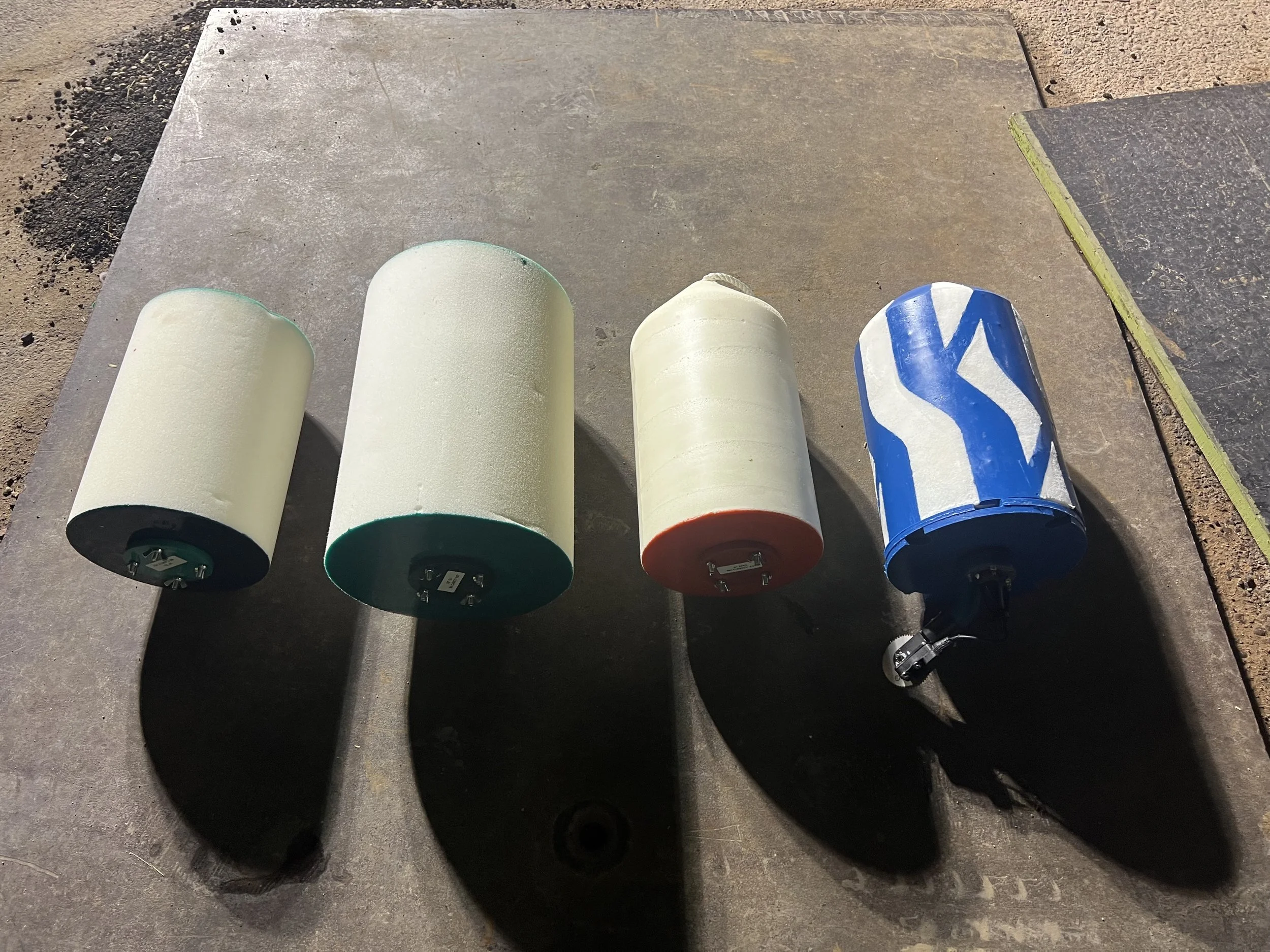
Foam Pigs
Lightweight and versatile, foam pigs are ideal for general cleaning, drying, and product displacement. Their flexibility allows them to navigate tight bends, diameter transitions, and irregular geometries, making them a reliable choice for initial cleaning or post-commissioning drying.
Steel Mandrel and Brush Pigs
For heavy-duty cleaning, APS uses steel mandrel pigs fitted with brushes, blades, or scrapers to remove scale, wax, rust, and hard deposits. These pigs prepare the internal wall for inline inspections, improving data accuracy and preventing tool hang-ups during subsequent smart pig runs.
Cup and Disc Pigs
Cup and disc pigs provide strong sealing and scraping action, maintaining close contact with the pipe wall to remove liquids and debris. They are effective for pipeline cleaning under pressure, batch separation, and dewatering operations across oil, gas, and water lines.
Advanced Inspection and Specialty Pigging Tools
Beyond traditional mechanical pigs, APS utilizes advanced pipeline inspection tools and specialty cleaning systems designed for precision and compliance.
Smart Pigs
Smart pigs—instrumented inline inspection tools—use Magnetic Flux Leakage (MFL) and Ultrasonic Testing (UT) to measure wall thickness, detect corrosion, and identify mechanical damage. The data collected provides detailed insight into pipeline integrity, supporting regulatory compliance and maintenance planning.
APS’s smart pigging tools are compatible with a range of pipeline diameters and flow conditions, helping operators reduce downtime and extend asset life.
Ice Pigs
For delicate or complex systems, Ice Pigging™ offers a non-abrasive alternative. An ice slurry is pumped through the line to remove biofilms, grease, or debris without mechanical scraping. Once complete, the ice melts—leaving no residue, waste, or environmental impact. This method is ideal for aging infrastructure, industrial cooling systems, and food-grade applications.
Supporting Pigging Systems and Accessories
Successful pigging operations depend on more than just the pig itself. APS provides all supporting equipment needed to perform safe, controlled, and efficient operations.
Pig Launchers and Receivers (4”–60”)
Essential for every pigging operation, launchers and receivers allow for the safe insertion and recovery of pigs. APS systems are engineered to maintain flow control, reduce surge risk, and improve operator safety across multiple pipeline sizes and configurations.
Test Heads (4”–24”)
Used during commissioning, revalidation, or repair, pipeline test heads support hydrostatic and pneumatic pressure tests. They help confirm leak-free performance and structural integrity before or after pigging runs.
Pig Tracking Equipment (Including AGMs)
Accurate pig tracking ensures safety and efficiency during every operation. APS uses Above-Ground Markers (AGMs) and digital tracking systems to monitor pig location, detect potential slowdowns or stalls, and confirm arrival at the receiving end.
Pumps and Circulation Systems
APS deploys high-performance pumps to circulate cleaning fluids, flush pipelines, or propel pigs through inactive sections. Pump configurations are tailored to match each pipeline’s length, pressure, and flow medium.
Pipeline Testing Equipment
After pigging or inspection, APS uses advanced testing instruments to verify system readiness, assess cleanliness levels, and confirm compliance with design and operating standards. These tests validate the success of the cleaning or inspection process before returning the line to service.
Matching the Right Tools to the Right Pipeline
No two pipelines are identical. APS engineers evaluate each system’s diameter, construction material, deposit type, and operating environment to design the most efficient pigging program. This ensures the right pigging tools and equipment are selected for your project—improving results while minimizing risk.
We consider:
Pipeline age and wall condition
Type and location of internal deposits
Material being transported (gas, oil, water, chemical)
Temperature and pressure profiles
Regulatory and safety requirements
This data-driven approach guarantees that every pigging run—whether for cleaning, drying, or inspection—is performed efficiently, safely, and in full compliance with applicable codes.
Why Choose American Pipeline Solutions?
American Pipeline Solutions combines cutting-edge technology with hands-on experience to deliver the most reliable pipeline pigging equipment and services in the United States.
Whether you’re commissioning a new line, preparing for inline inspection, or maintaining flow efficiency, APS provides end-to-end pigging support—from tool selection and rental to field execution and inspection validation.
Our mission is simple: to keep your pipelines performing at their best—safely, efficiently, and with complete confidence in every mile.
Pipeline Experts: Inspection, Cleaning, Coating & More
Certified solutions for inspection, pre-commissioning, cleaning, internal coating, ice pigging™, mapping, and turnkey pipeline projects—maximizing safety and reliability at every stage.
FAQs:
What is pipeline pigging equipment used for?
Pipeline pigging equipment is used to clean, dry, and inspect pipelines by propelling specialized tools called pigs through the line. At APS, these systems maintain flow efficiency, support pre-commissioning, and verify integrity before and after inspection runs.
Does APS sell pigging equipment or only provide services?
APS is a service-focused pipeline solutions provider. While select pigging tools and systems are available for sale or rent, our core expertise lies in designing, mobilizing, and executing safe, efficient pigging and inspection programs across the U.S.
What sizes of pig launchers and receivers does APS handle?
APS provides pig launchers and receivers for pipelines ranging from 4 inches through 60 inches, along with test heads for 4–24-inch systems. Each unit meets PHMSA and ASME integrity and pressure-testing standards.
How do smart pigs differ from cleaning pigs?
Cleaning pigs remove physical debris and prepare lines for inspection, while smart pigs use technologies like Magnetic Flux Leakage (MFL) and Ultrasonic Testing (UT) to collect wall-thickness and corrosion data. APS integrates both types within inspection support programs to achieve complete integrity verification.
When is Ice Pigging™ used instead of conventional cleaning?
Ice Pigging™ is chosen for sensitive or complex pipelines—such as aging infrastructure, water mains, or food-grade lines—where mechanical contact could cause damage. The ice slurry cleans effectively without abrasion and leaves no residue after melting.
What factors determine which pigging tools are used?
APS engineers assess each pipeline’s diameter, wall condition, contents, debris type, and operating pressure before selecting the right pig type. This ensures the process meets cleanliness, safety, and compliance requirements.
How does APS ensure pigging safety and compliance?
Every APS operation follows PHMSA, ASME, and internal HSE procedures. Our equipment is field-tested and operated by certified crews, ensuring each pigging run meets regulatory, documentation, and safety standards.
Can APS help with pig tracking and location verification?
Yes. APS uses Above-Ground Markers (AGMs) and digital pig-tracking systems to monitor progress, detect slowdowns, and verify safe arrival at receivers—critical for long-distance or multi-segment pipelines.
What industries use APS pigging and inspection equipment?
APS supports oil, gas, water, chemical, and industrial clients nationwide. Our tools and programs are designed for both onshore transmission and facility piping, helping operators maintain flow, prevent corrosion, and support inspection readiness.
Why choose American Pipeline Solutions for pigging projects?
APS combines advanced pigging equipment with decades of field expertise. We provide the tools, trained personnel, and documented procedures required to deliver clean, efficient, and inspection-ready pipelines—safely and cost-effectively.
Magnetic Pigs: What They Are and How They’re Used?
When it comes to maintaining safe, efficient, and inspection-ready pipelines, removing ferrous debris is one of the most overlooked yet critical steps. Small fragments of welding rods, mill scale, or rust particles left behind after construction or normal operations can compromise inspection data, damage internal coatings, and cause unnecessary downtime. That’s where magnetic pigs come in — specialized pipeline cleaning tools designed to collect and retain magnetic debris before it becomes a problem.
At American Pipeline Solutions (APS), magnetic pigs are an integral part of our broader Cleaning & Conditioning and Inspection & Integrity Support services. We use them to prepare lines for in-line inspection (ILI), maintain flow efficiency, and support integrity management programs across oil, gas, water, and industrial systems nationwide.
What Is a Magnetic Pig?
A magnetic pig is a type of cleaning or conditioning tool equipped with high-strength magnets — usually neodymium or rare-earth types — that attract and capture ferrous materials inside a pipeline. The magnets are either mounted in boxes on a steel mandrel body or molded into polyurethane cups and discs for smaller diameters.
As the pig travels through the line, driven by product flow or compressed medium, the magnetic field attracts and holds metallic particles like scale, rust flakes, welding slag, and stray hardware. When retrieved, these contaminants adhere to the pig body or magnet housings, keeping them out of downstream equipment and preventing interference with future inspections.
It’s important to distinguish magnetic pigs from smart pigs. Smart pigs, often called MFL (Magnetic Flux Leakage) tools, use magnetization to detect wall loss and corrosion during inspection. Magnetic cleaning pigs, on the other hand, use magnets to collect debris, not to measure defects. They serve different roles within the same integrity workflow.
Pipeline Experts: Inspection, Cleaning, Coating & More
Certified solutions for inspection, pre-commissioning, cleaning, internal coating, ice pigging™, mapping, and turnkey pipeline projects—maximizing safety and reliability at every stage.
How Magnetic Pigs Work?
Magnetic pigs operate on a simple but powerful principle — magnetic attraction. As the pig moves through the line, it creates a strong magnetic field that draws ferrous particles away from the pipe wall and holds them on the pig’s surface.
This process serves two key purposes. First, it removes debris that can restrict flow or damage equipment. Second, it improves ILI accuracy. If iron particles remain on the pipe wall, they can distort magnetic readings or trigger false corrosion signals during inspection runs. A properly executed magnetic pig run significantly improves data quality and helps integrity engineers make better-informed decisions.
Many magnetic pigs also support above-ground tracking. Because the pig body is magnetized, its location can be detected by an AGM (Above Ground Marker) or magnetometer as it passes, allowing technicians to verify progress and confirm arrival without interrupting operations.
When Magnetic Pigs Are Used?
Magnetic pigs can be applied in nearly every stage of a pipeline’s lifecycle, but they deliver the most value in three scenarios:
1. Pre-Commissioning and Post-Construction
After welding, hydrotesting, or drying, pipelines often contain metallic residues — small offcuts, welding slag, or mill scale — that can pose long-term risks if left behind. A magnetic pig pass collects these remnants efficiently, protecting valves, meters, and inspection tools downstream.
APS routinely incorporates magnetic runs into our commissioning programs, especially for newly built or rehabilitated lines, to ensure a clean and safe transition to service.
2. Routine Operations and Maintenance
During normal operations, corrosion and wear can still generate ferrous debris. Over time, this material accumulates in low spots or slow-flow sections, contributing to pressure drop and inconsistent throughput. Periodic magnetic pig runs keep these systems clear, extend cleaning intervals, and prevent issues before they escalate.
3. Pre-Inspection Preparation
Before deploying a high-value MFL or UT inspection tool, it’s crucial to remove any remaining magnetic debris that could interfere with the sensors. APS integrates magnetic pigs into inspection readiness sequences to deliver the cleanest possible line environment, ensuring accurate readings and efficient inspection scheduling.
Common Configurations and Sizes
Magnetic pigs come in multiple configurations depending on the pipeline’s design and the task at hand.
Mandrel-body pigs are most common for diameters above 6 inches. They feature steel cores fitted with polyurethane cups or discs for sealing and drive, along with magnet boxes bolted to the body.
Foam or urethane pigs with embedded magnets are used in smaller or more complex systems where flexibility and tight bends are a concern.
Typical sizes range from 4 inches up to 56 inches, with magnet strength and placement tailored to the line’s diameter, wall material, and debris profile. APS evaluates these parameters during project scoping to choose the configuration that captures the most debris with minimal friction or risk of hang-up.
Magnetic Pigs vs. Other Cleaning Pigs
Magnetic pigs are part of a larger family of cleaning tools, each designed for a specific function. Brush pigs use steel or wire brushes to remove scale and hardened deposits; cup or disc pigs provide strong sealing for liquid displacement and scraping; foam pigs help dry or displace product after testing.
A magnetic pig doesn’t replace these tools — it complements them. In many projects, APS runs a cleaning sequence that might include a brush pig to loosen debris, followed by a magnetic pig to collect it, and finally a gauging or verification pig to confirm line clearance before inspection. This sequence provides the best combination of mechanical cleaning, debris removal, and verification.
Integration in a Typical Inspection Plan
For large-diameter pipelines preparing for in-line inspection, APS often deploys magnetic pigs as part of a defined pre-ILI workflow.
A standard sequence might look like this:
Initial mechanical cleaning: brush or scraper pig to remove bulk debris.
Magnetic pig run: collect ferrous particles dislodged by earlier passes.
Gauging pig run: confirm internal diameter and ensure obstruction-free passage.
Inspection tool run: MFL or UT tool collects data for analysis.
This structured approach delivers cleaner signals, reduces tool wear, and improves overall inspection efficiency.
Tracking and Locating Magnetic Pigs
Because of their inherent magnetization, magnetic pigs are easy to track. As the tool moves through the pipeline, it generates a magnetic signature that can be detected by Above Ground Markers (AGMs) or handheld magnetometers. Field crews use these readings to confirm the pig’s progress, identify any delays, and validate arrival times at each trap.
Tracking also adds a layer of safety and operational control — especially in multi-segment lines or areas with elevation changes — by ensuring that the pig is accounted for at all times during the run.
Benefits of Magnetic Pigs
Incorporating magnetic pigs into a maintenance or inspection plan offers multiple advantages:
Improved flow efficiency: removing metallic debris restores the internal diameter and consistent flow.
Enhanced ILI accuracy: clean walls lead to better magnetic flux readings and fewer false indications.
Reduced equipment damage: prevents abrasive particles from damaging valves, meters, or sensors.
Cleaner operations: debris collection reduces contamination risk during product changeovers.
Regulatory compliance: documented cleaning and debris reports strengthen integrity and safety records.
For operators managing extensive pipeline networks, these benefits translate into fewer disruptions, more reliable inspection data, and lower total maintenance costs.
Limitations and Considerations
Like any tool, magnetic pigs must be used correctly to deliver the expected results. They are not designed to replace aggressive mechanical cleaning when heavy scale or hardened deposits are present. In such cases, APS typically precedes the magnetic pass with brush or bi-directional pigs to break up material first.
Operators should also account for coating condition and pipeline geometry. Poorly bonded coatings can be damaged by strong magnetic contact, and tight bends or internal features can trap heavily loaded pigs. APS evaluates these risks during scoping and includes control measures such as differential pressure limits, bypass ports, and real-time tracking.
After each run, collected debris must be removed and disposed of safely. Because magnets retain the particles strongly, crews follow strict cleaning and handling procedures to avoid injuries or contamination.
How to Select the Right Magnetic Pig?
Selecting the correct magnetic pig depends on multiple factors: pipeline diameter, geometry, product type, debris characteristics, and inspection objectives. APS engineers evaluate these variables as part of every cleaning and inspection plan, ensuring each tool is optimized for the line’s design and condition.
We also consider the expected debris load and propulsion method — whether the pig will be driven by liquid, gas, or air — and confirm compatibility with AGM tracking systems when location verification is required. This process helps prevent delays and ensures that each run delivers the expected outcome safely.
Pipeline Experts: Inspection, Cleaning, Coating & More
Certified solutions for inspection, pre-commissioning, cleaning, internal coating, ice pigging™, mapping, and turnkey pipeline projects—maximizing safety and reliability at every stage.
Frequently Asked Questions
Are magnetic pigs the same as smart pigs?
No. Smart pigs collect data using magnetic flux leakage (MFL) technology, while magnetic cleaning pigs use magnets to remove ferrous debris. They are often used in sequence — magnetic cleaning first, smart pig inspection second.
Can magnetic pigs damage internal coatings?
When used correctly and selected based on coating type and line condition, magnetic pigs do not damage coatings. APS assesses coating adhesion and wall condition before recommending magnetic cleaning.
What sizes are available?
Standard magnetic pigs cover diameters from 4 to 56 inches, with custom designs available for larger or specialized applications.
Can magnetic pigs be tracked above ground?
Yes. Their magnetic signature can be detected by AGMs or magnetometers, allowing real-time confirmation of the pig’s position during a run.
Do I still need brush or foam pigs?
Often yes. Magnetic pigs target ferrous debris, while brush or foam pigs remove organic or non-magnetic materials. APS typically uses a combination for complete cleaning.
Where do magnetic pigs fit in an ILI preparation plan?
They are generally run after mechanical cleaning and before the inspection tool to maximize ILI accuracy and protect sensors.
Partner with APS for Pipeline Cleaning and Inspection Support
Magnetic pigs are just one part of a comprehensive pipeline cleaning and inspection program. The key to success lies in selecting the right tools, sequencing them properly, and documenting each step to meet both operational and regulatory standards.
At American Pipeline Solutions, we combine decades of field experience with the latest technology to deliver reliable, safe, and efficient pipeline services. Whether you need a one-time magnetic cleaning run, a full inspection-readiness program, or ongoing maintenance support, APS provides the expertise, equipment, and documentation to keep your system flowing and compliant.
Contact APS today to discuss your upcoming project or request a quote
Why Pipeline Gauging Matters (2026 Guide)
Before any inspection, cleaning, or commissioning, one simple question defines whether a pipeline is ready for the next stage: Is it truly clear and piggable?
Pipeline gauging is the industry’s most reliable way to answer that question. By proving that the line is free from obstructions, dents, and internal restrictions, it lays the foundation for every downstream process — from pre-commissioning and cleaning to smart pig inspections and internal coatings.
At American Pipeline Solutions (APS), gauging is more than a procedural step. It’s a critical integrity assurance measure that prevents costly tool hang-ups, project delays, and integrity failures. In this guide, we’ll explain what pipeline gauging is, how it works, and why it’s a non-negotiable step in modern pipeline operations.
What Pipeline Gauging Proves?
Pipeline gauging is the process of verifying a pipeline’s internal bore and confirming that it is smooth, continuous, and unobstructed.
A simple gauge pig — equipped with a thin, deformable metal plate sized slightly smaller than the minimum internal diameter — is propelled through the line. If the plate completes its journey without bending or tearing, it confirms that the line can safely accommodate cleaning pigs, inspection tools, or product flow.
If the plate returns damaged, it’s a clear signal that something inside the pipeline requires attention before proceeding.
At APS, gauging is performed:
After new construction or tie-ins
Before Smart Pig or ILI (In-Line Inspection) runs
Following pre-commissioning cleaning
After internal coating or rehabilitation work
Whenever debris or deformation is suspected
This simple test protects millions of dollars in assets and weeks of potential downtime by ensuring that the system is physically ready for operation.
Pipeline Experts: Inspection, Cleaning, Coating & More
Certified solutions for inspection, pre-commissioning, cleaning, internal coating, ice pigging™, mapping, and turnkey pipeline projects—maximizing safety and reliability at every stage.
How the Gauging Process Works?
The process begins long before a pig enters the launcher. APS engineers start by reviewing pipeline drawings, feature lists, and minimum bore data. This allows the team to select the correct gauge plate size — usually about 95% of the smallest internal diameter — and the right pig body type for the system.
The gauging pig is then launched and tracked from start to finish using advanced pig tracking systems, ensuring it completes the full run. Upon retrieval, technicians inspect the plate for scratches, dents, or deformation. Even minor marks provide valuable diagnostic clues about potential restrictions or weld protrusions.
Every APS gauging run includes:
Precise pre-job engineering
Verified plate sizing and calibration
Real-time pig tracking
Detailed post-run inspection and reporting
This combination of preparation, precision, and documentation guarantees a clear view of the pipeline’s internal condition before moving on to more advanced steps.
What Gauging Reveals (and Why It Matters)?
A pipeline’s interior can be deceptive. Even after construction or cleaning, hidden issues may remain that jeopardize inspection or product flow. Gauging exposes those unseen risks before they escalate.
Common findings include:
Weld penetration or misalignment
Dents, buckles, or ovality
Internal coating drips or excess epoxy
Debris left behind from conventional pigging or flushing
Valves not fully open or incorrectly oriented
A distorted or damaged gauge plate provides early warning of such defects. APS technicians use this insight to recommend corrective actions — whether it’s targeted cleaning, Ice Pigging™, localized repair, or further investigation using Smart Pig technology.
The result is a cleaner, safer, and more reliable system — validated before any high-value tools or products are introduced.
The Business Case for Gauging
It’s easy to underestimate the value of a simple gauge run until a tool gets stuck. A lodged cleaning or inspection pig can halt operations, require excavation, and delay projects for days or weeks.
Gauging eliminates that uncertainty and protects the bottom line in four key ways:
Prevents Expensive Failures
By detecting restrictions early, operators avoid the cost of retrieval operations, pipeline downtime, and emergency digs.
Supports Commissioning Readiness
During Pipeline Pre-Commissioning, gauging confirms that the bore is smooth and clear before hydrotesting, dewatering, and drying. This ensures that subsequent pigs — whether foam, brush, or ice slurry — can travel safely through the line.
Ensures Accurate Inspection Results
For Pipeline Inspection & Condition Analysis, a clean, obstruction-free line means smarter data and fewer tool interruptions. Gauging guarantees that Smart Pig sensors can capture reliable readings for corrosion, leaks, or metal loss.
Demonstrates Regulatory Compliance
Industry standards (API, ASME, and PHMSA) recommend gauging as a formal verification step. Documenting this process strengthens your integrity management records and demonstrates operational diligence.
When compared to the cost of tool loss or unplanned shutdowns, a gauging run is one of the most cost-effective safety measures an operator can invest in.
Inside a Typical APS Gauging Run
APS follows a structured, data-driven process on every gauging project:
Planning & Assessment – Review design drawings, confirm minimum ID, and identify potential restrictions.
Pre-Cleaning – If needed, APS performs Conventional Pigging & Swabbing or Ice Pigging™ to remove loose debris that might affect results.
Gauge Run Execution – Launch and track the gauge pig, recording pressure, flow, and speed data.
Plate Inspection – Examine the retrieved gauge plate for scarring or bending; photograph and document the findings.
Reporting & Recommendations – Deliver a digital report with inspection photos, run data, and next-step guidance.
This systematic approach not only provides a pass/fail outcome but also generates actionable intelligence for follow-up decisions.
Interpreting Gauge Plate Results
A clean plate means the pipeline is piggable and ready for subsequent operations. A scratched or bent plate indicates there’s a restriction or deformation.
Minor scrapes may point to leftover debris, while deep creases can signal serious issues like weld intrusion or internal collapse. APS engineers use deformation patterns, run pressure data, and tracking logs to estimate where along the pipeline the interference occurred.
Depending on severity, the next step might include:
Additional cleaning or Ice Pigging™ runs
Targeted section repair
A geometry pig or Smart Pig inspection for precise mapping
Delaying Internal Pipe Coating until the bore is confirmed clear
This evidence-based escalation ensures corrective work is both efficient and justified.
When to Perform Gauging?
Gauging isn’t just for oil and gas systems it’s essential across water, wastewater, chemical, and industrial pipelines. The timing, however, is critical.
You should gauge:
Before commissioning or product introduction (to confirm readiness)
After construction or tie-in work (to catch weld protrusions or misalignments)
Before any ILI run (to protect Smart Pig tools)
After coating or rehabilitation (to verify proper cure and internal clearance)
When a restriction is suspected due to abnormal pressure or flow
In every case, gauging acts as the bridge between “theoretical design” and “verified readiness.”
Avoiding Common Mistakes
While gauging is conceptually simple, poor execution can compromise results. APS frequently encounters three avoidable errors in the field:
Skipping Pre-Cleaning: Residual debris can give false readings and damage plates.
Incorrect Plate Sizing: Oversized plates risk getting stuck; undersized ones may miss deformations.
Lack of Tracking: Without monitoring, locating a slowed or stuck pig becomes difficult and expensive.
APS mitigates these risks with precise sizing, redundant tracking methods, and strict documentation standards — ensuring every gauging run produces reliable, verifiable data.
How Gauging Fits Within APS’s Full Pipeline Services?
Because APS delivers end-to-end pipeline integrity and maintenance solutions, gauging seamlessly connects with several other services:
Pipeline Inspection & Condition Analysis: Gauge runs confirm that Smart Pig tools can safely navigate the line and collect high-quality data.
Pipeline Pre-Commissioning: Gauging validates bore condition before hydrotesting, drying, and pressurization.
Ice Pigging™ Services: Ideal for post-gauge cleaning or decontamination when debris or microbial buildup is identified.
Conventional Pigging & Swabbing: Used for debris removal ahead of or after gauging to maintain flow assurance.
Internal Pipe Coating: Performed only once gauging verifies a clean, obstruction-free surface.
Pipeline Mapping & Consulting: Gauging data integrates directly into system maps and condition reports, guiding strategic maintenance planning.
This integration ensures operators receive a single, data-driven solution for pipeline integrity from start to finish.
Pipeline Experts: Inspection, Cleaning, Coating & More
Certified solutions for inspection, pre-commissioning, cleaning, internal coating, ice pigging™, mapping, and turnkey pipeline projects—maximizing safety and reliability at every stage.
Real-World Insight
In one APS project, a 24-inch transmission line was scheduled for smart pig inspection following tie-in work. A preliminary gauge run revealed the plate returned with a deep radial crease — later traced to a misaligned weld in a short transition spool. The section was corrected and re-gauged successfully, allowing the ILI tool to pass without issue. The proactive step saved several days of downtime and costly excavation.
That’s the value of gauging: catching the unseen, before it becomes the unmanageable.
Conclusion
Pipeline gauging might appear straightforward, but it’s one of the most valuable assurance tools in the entire pipeline lifecycle. It provides confidence that your system is clean, clear, and ready — whether you’re about to run an intelligent inspection, commission a new asset, or apply a protective coating.
At American Pipeline Solutions, gauging forms the backbone of our commitment to integrity, reliability, and operational excellence. When combined with our advanced pigging, inspection, coating, and mapping services, it ensures your pipeline isn’t just built to last — it’s proven to perform.
FAQs
What is pipeline gauging?
A test using a deformable metal plate to verify that a pipeline’s internal diameter is unobstructed and safe for pigging or inspection.
When should you gauge a pipeline?
After construction, before commissioning or inspection, after coating or repairs, and whenever restrictions are suspected.
How large is the gauge plate?
Typically about 95% of the pipeline’s minimum internal diameter.
What if the gauge plate comes back damaged?
It means there’s a restriction. APS can follow up with cleaning, Ice Pigging™, or geometry inspection to locate the issue.
Is gauging required before hydrotesting?
Yes — it’s standard to gauge before or immediately after hydrotest to confirm the line’s readiness for service.
Foam Pigging vs Jetting: Which Pipeline Cleaning Method is Right for You?
In pipeline maintenance, effective cleaning is essential to ensure optimal flow, reduce blockages, and extend the lifespan of the infrastructure. Two widely used methods—foam pigging and jetting—offer unique solutions for clearing debris, sediment, and blockages. This article explores the differences between foam pigging and jetting, outlining their advantages, applications, and ideal use cases.
Pipeline Experts: Inspection, Cleaning, Coating & More
Certified solutions for inspection, pre-commissioning, cleaning, internal coating, ice pigging™, mapping, and turnkey pipeline projects—maximizing safety and reliability at every stage.
What is Foam Pigging?
Foam pigging is a specialized pipeline cleaning method that uses foam pigs—flexible, foam-based cleaning tools that conform to the shape of the pipeline. These foam pigs can be enhanced with abrasive materials or coated to address specific cleaning needs.
How Foam Pigging Works
1. Insertion: A foam pig is inserted into the pipeline and propelled by compressed air, water, or other fluids.
2. Scrubbing and Flexibility: The pig conforms to the shape of the pipeline, scrubbing and removing debris, sediment, and light blockages.
3. Collection and Removal: As the foam pig moves through, it collects residue, which is flushed out upon exit.
Foam pigging is highly versatile, making it suitable for pipelines with bends, diameter changes, or delicate materials that cannot withstand high pressure. The soft yet effective action of foam pigs is especially valuable for systems that require gentle but thorough cleaning.
What is Jetting?
Jetting, also known as hydro-jetting, is a high-pressure cleaning method that blasts water through the pipeline to remove blockages, buildup, and debris. This method is especially effective for hard obstructions but requires caution for delicate or aging pipelines.
How Jetting Works
1. Setup: Jetting equipment is positioned at the pipe’s entry point, with high-pressure pumps connected to specialized nozzles.
2. High-Pressure Cleaning: Water is propelled through the nozzles at pressures up to 4000 psi (pounds per square inch), depending on the pipe's condition.
3. Debris Flushing: The intense water pressure breaks down debris and flushes it out, clearing the pipeline.
Jetting is commonly used in pipelines that can handle high pressure, as it offers rapid clearing of hard blockages and is effective in removing tree roots, mineral deposits, and more.
Pros and Cons of Foam Pigging
Pros:
Easily cleans long pipelines (>1000’)
Pipeline remains active during cleanin
Minimal water usage
Flexible, able to adapt to pipeline bends and changes in diameter
Low risk of damage to older or more delicate pipelines
Cons:
Less effective on hard obstructions
May require multiple passes for thorough cleaning
Pros and Cons of Jetting
Pros:
Highly effective for clearing tough obstructions
Suitable for a wide range of pipe materials
Cons:
Pipeline must be drained prior to cleaning
Cannot clean longer than 1000-1500’ at a time
High water consumption
Can cause damage in fragile or older pipes due to pressure
Pipeline Experts: Inspection, Cleaning, Coating & More
Certified solutions for inspection, pre-commissioning, cleaning, internal coating, ice pigging™, mapping, and turnkey pipeline projects—maximizing safety and reliability at every stage.
When to Choose Foam Pigging Over Jetting
Foam pigging is ideal for pipelines that:
- Have curves, bends, or varying diameters - When pipe cannot be taken offline
- Are older or more delicate
- Require a gentle yet thorough cleaning method
Jetting, on the other hand, is best suited for pipelines that:
- Face severe blockages from roots or hardened deposits
- Are made of durable, newer materials
- Can withstand high-pressure cleaning
Final Thoughts
Both foam pigging and jetting play essential roles in pipeline maintenance, offering unique benefits depending on the pipeline’s needs. Foam pigging provides a gentler, adaptable approach for pipelines with complex shapes, while jetting delivers intense cleaning power for tougher obstructions. By evaluating the pipeline’s condition and specific cleaning requirements, operators can choose the best method to maintain efficiency and longevity.
Need assistance choosing the right pipeline cleaning method? Contact our team for expert guidance on foam pigging, ice pigging, and custom solutions for your system.
FAQs:
What is foam pigging in pipeline cleaning?
Foam pigging is a cleaning method that uses flexible foam pigs to travel through the pipeline, scrub the walls, and carry out debris. The foam pig is propelled by air, water, or product and conforms to bends and diameter changes. This makes it ideal for long runs, older lines, and systems that can’t tolerate high pressure.
How is foam pigging different from jetting?
Foam pigging relies on a physical foam pig that wipes and carries debris out of the line, while jetting (hydro-jetting) uses high-pressure water to blast away deposits. Foam pigging is gentler, uses less water, and can be run in live systems. Jetting delivers more aggressive cleaning power but requires drained lines and can stress fragile pipe.
When should I choose foam pigging instead of jetting?
Foam pigging is typically the better choice for pipelines with many bends, diameter changes, or older materials that may not tolerate high pressure. It’s also preferred when the line cannot easily be taken offline or when water use must be minimized. APS often recommends foam pigging for delicate, complex, or long (>1000’) sections.
Is jetting safe for all pipelines?
Jetting can be very effective, but it is not suitable for every pipeline. Because it uses high water pressures—often up to 4,000 psi—it is best applied to newer, robust materials that can handle the stress. On older, corroded, or fragile lines, jetting can cause damage, so APS evaluates wall condition and risk before recommending this method.
Can foam pigging remove hard blockages like roots or heavy scale?
Foam pigging is excellent for light to moderate debris, soft sediments, and general cleaning, but it is less effective on very hard obstructions such as tree roots or severe mineral scale. In those cases, jetting or more aggressive mechanical methods may be required. APS often combines foam pigs with other tools as part of a broader cleaning program.
Does jetting use more water than foam pigging?
Yes. Jetting typically consumes significantly more water because it relies on continuous high-pressure flow to break up obstructions and flush debris. Foam pigging uses far less water, since the foam pig does most of the mechanical cleaning as it travels through the line. For sites with limited water availability, foam pigging is often the more practical choice.
Can foam pigging be performed while the pipeline is in service?
In many systems, foam pigging can be carried out with product or fluid still moving, as the pig is propelled by that flow. This reduces downtime compared to jetting, which usually requires the line to be drained. APS always reviews operating conditions, media, and safety requirements before planning an in-service foam pigging run.
How far can jetting and foam pigging reach in one operation?
Foam pigging is well suited to long runs and can efficiently clean pipelines longer than 1,000 feet in a single pass. Jetting, by contrast, is typically limited to shorter reaches, often in the 1,000–1,500 foot range, depending on access and equipment. APS considers length, access points, and line geometry when recommending a cleaning method.
Can I use both foam pigging and jetting on the same pipeline?
Yes. In some projects, a combined approach delivers the best result. For example, targeted jetting may be used to break up heavy deposits in a short, accessible section, followed by foam pigging to sweep residual debris through longer or more complex sections. APS designs cleaning plans that use the right tools in the right sequence for each line.
Case Study: Transforming Pipeline Performance Through Gyroscope Mapping
In the competitive landscape of pipeline mapping and inspection, American Pipeline Solutions has set a new standard by applying gyroscope and XYZ mapping technologies.
This case study delves into a challenging project undertaken for the Delaware Department of Transportation (DELDOT), where traditional mapping methods fell short, and the unique capabilities of American Pipeline Solutions brought about a solution that exceeded expectations. The project showcased the innovative use of mapping technologies. It highlighted the process of de-watering the pipeline since it was in service, which allowed for using a gyroscope to perform detailed mapping.
Pipeline Experts: Inspection, Cleaning, Coating & More
Certified solutions for inspection, pre-commissioning, cleaning, internal coating, ice pigging™, mapping, and turnkey pipeline projects—maximizing safety and reliability at every stage.
The Superiority of Gyroscope Mapping
Gyroscope mapping technology offers a robust framework for ensuring pipeline safety and operational efficiency, standing out for several reasons:
Exceptional Accuracy: Gyroscope mapping provides sub-12-inch precision, crucial for complex environments, and ensures pipelines meet safety standards.
Minimal Disruption: The technology is non-intrusive, allowing for the inspection of pipelines without significant impact on urban life or the environment.
Adaptability: This combined approach excels in challenging environments where traditional methods are ineffective, offering reliable solutions for urban, underwater, and sensitive ecological areas.
The DELDOT Challenge in Ocean City
Faced with the task of accurately locating a submerged High-Density Polyethylene (HDPE) pipe, DELDOT encountered significant obstacles due to the urban and underwater environment of Ocean City. It posed several challenges:
Complex Environment: The pipe's position, 200 feet underwater, near a bustling area, complicated by metallic structures and diverse soil conditions, rendered traditional mapping methods inadequate.
Accuracy Imperative: The construction's proximity to vital infrastructure necessitated sub-12-inch accuracy to ensure safety and prevent costly disruptions.
Access Constraints: The project demanded a non-intrusive approach, as conventional inspection methods were not feasible due to the pipe's inaccessibility.
The Solution: Gyroscope Mapping and XYZ Analysis
Enter American Pipeline Solutions, armed with its unique gyroscope mapping technology to perform XYZ mapping.. This innovative approach involves the following steps:
Selection: DELDOT chose American Pipeline Solutions for its proven expertise in XYZ mapping and ability to dewater the pipe, providing unparalleled accuracy and stability in challenging environments.
Calibration and Integration: The gyroscope system underwent meticulous calibration, integrating with inertial navigation units for comprehensive spatial analysis, which is crucial for the detailed inspection required in challenging conditions.
Data Collection and Analysis: Employing advanced algorithms, the integrated system meticulously collected pipe orientation data, enabling precise trajectory and position calculations.
Transformative Results
The gyroscope mapping initiative led to several transformative outcomes:
Unprecedented Precision: Achieving sub-12-inch accuracy, the project surpassed traditional standards for underwater pipeline mapping, setting a new benchmark for precision.
Cost Savings: APS's dewatering and mapping speed saved countless man-hours and material compared to relocating the pipe.
Environmental and Safety Benefits: The adoption of gyroscope mapping in pipeline assessments stands out for its minimalistic intervention, drastically reducing the environmental footprint associated with traditional examination methods. This technology's precision and efficiency ensure that the natural and built environments are scarcely disturbed. This approach champions environmental stewardship and significantly advances safety by mitigating risks associated with conventional inspection methods, ensuring a safer outcome for workers and the wider community.
The Significance of XYZ Mapping with Advanced Gyroscope Technology
XYZ mapping involves a comprehensive analysis of spatial data across three dimensions: X (horizontal or east-west direction), Y (vertical or north-south direction), and Z (elevation or depth). When applied to pipeline mapping, this multidimensional approach offers unparalleled detail and accuracy. American Pipeline Solutions enhances this process by utilizing advanced gyroscope technology, capable of precise navigation through pipelines without interrupting their operation for prolonged periods. This method is invaluable for ensuring critical infrastructure systems' integrity, offering a detailed and accurate mapping solution.
Advantages of American Pipeline Solutions’ Approach
Uninterrupted Operations: The ability to map pipelines quickly allows essential services to continue with minimal disruption, a critical factor for utility companies and public services.
Safety and Precision: XYZ mapping with a gyroscope minimizes the need for excavation and direct access, reducing the risk of pipeline damage and enhancing the surrounding area's safety.
Cost-Effectiveness: This approach offers significant cost savings and operational efficiency by eliminating the need for long shutdowns and extensive manual inspections.
Setting Industry Standards
American Pipeline Solutions can perform XYZ mapping on live pipelines with a free-swimming gyroscope (see article on APS Pipe Mapping Pig), represents a significant technological achievement and sets new industry standards for safety, efficiency, and accuracy. This pioneering approach has broad implications, from urban planning and environmental management to emergency response and infrastructure maintenance, showcasing the company’s commitment to innovation and excellence in pipeline solutions.
American Pipeline Solutions: Leading with Innovation
American Pipeline Solutions continues to adopt and refine technologies that push the boundaries of what's possible in pipeline mapping and maintenance. Its XYZ mapping capability is a testament to the company's role as an industry innovator, offering solutions that address today’s challenges while anticipating tomorrow's needs.
The Indispensable Nature of These Technologies
The importance of gyroscope technology and XYZ mapping cannot be overstated. They represent a leap towards future-proofing pipeline infrastructure, ensuring projects are completed with unprecedented accuracy and aligned with sustainability and safety goals. These technologies provide a roadmap for navigating the challenges of modern infrastructure projects, making them indispensable tools in the toolkit of innovation-driven companies like American Pipeline Solutions.
Conclusion
American Pipeline Solutions' successful application of gyroscope mapping and XYZ mapping for DELDOT marks a milestone in pipeline maintenance and construction. This case study illustrates the transformative potential of these advanced technologies in overcoming complex challenges and sets new standards of precision and efficiency across the industry.
Pipeline Experts: Inspection, Cleaning, Coating & More
Certified solutions for inspection, pre-commissioning, cleaning, internal coating, ice pigging™, mapping, and turnkey pipeline projects—maximizing safety and reliability at every stage.
Elevate Your Infrastructure Projects with American Pipeline Solutions
American Pipeline Solutions stands alone in the industry with our unparalleled expertise in gyroscope mapping and the exclusive capability to perform XYZ mapping. We are uniquely positioned to handle the complexities of contemporary pipeline projects. Our commitment to innovation ensures that we offer cutting-edge solutions tailored to enhance your infrastructure initiatives' precision, efficiency, and safety. Call us today to explore how our distinctive approach can transform your pipeline maintenance and inspection processes.
Innovative Inspection and Maintenance Techniques Utilizing Pipeline Smart Pigging
The field of pipeline maintenance has witnessed the exciting development of smart pigging—also known as intelligent pigging—which is rapidly transforming how pipeline systems are monitored and maintained. These advanced methods go beyond conventional cleaning and inspection practices: they boost precision, efficiency, and reliability for critical pipeline infrastructure.
This article explores the latest innovations in pipeline smart pigging technologies, emphasizing the substantial benefits and operational gains this service can deliver.
The Evolution of Pipeline Maintenance
Pipeline maintenance has evolved significantly from manual inspections and traditional pig cleaning runs to the adoption of sensor-based inline inspection (ILI) tools. Where operators once worked reactively, applying maintenance only after failures appeared, today’s smart pigging services enable a proactive approach—designed to optimize system longevity and performance.
This shift is not simply about cleaning pipes; it’s about continuously managing integrity, flow assurance, and risk through data-driven decision-making.
Pipeline Experts: Inspection, Cleaning, Coating & More
Certified solutions for inspection, pre-commissioning, cleaning, internal coating, ice pigging™, mapping, and turnkey pipeline projects—maximizing safety and reliability at every stage.
The Foundations of Smart Pigging
Smart pigging begins with specially configured inspection pigs equipped with advanced sensors capable of navigating pipelines while gathering detailed data on internal conditions. These pigs travel through the line—often propelled by product flow or controlled pressure—and collect information on metal loss, cracks, geometry changes, weld integrity, and other internal anomalies.
Once the data is retrieved and analyzed, operators gain a comprehensive view of pipeline health and actionable insights for maintenance planning. This real-time intelligence allows for quicker, safer, and more cost-effective maintenance strategies.
Advancements in Pipeline Inspection and Maintenance Techniques
Magnetic Flux Leakage (MFL) Technology
High-resolution magnetic flux leakage tools are a key advancement in modern smart pigging. By magnetizing the pipe wall and measuring leakage fields, MFL sensors can detect corrosion, pitting, and wall thinning with remarkable accuracy. Operators who utilize MFL-based inspection gain early warnings on potential defects, allowing them to intervene before failures occur—enhancing safety, reliability, and cost performance.
Ultrasonic Pigging Innovations
Ultrasonic inspection pigs use high-frequency sound waves to measure wall thickness and detect erosive wear, deposit buildup, and weld anomalies. This non-destructive technique provides exceptional precision, allowing maintenance teams to locate critical defects that might escape simpler inspection methods. Ultrasonic pigging supports targeted repairs and efficient scheduling, reducing downtime and extending pipeline lifespan.
Geometric and Laser Profiling
As pipeline networks grow more complex, geometric inspection and laser profiling tools have become essential. These systems capture a detailed 3D model of the pipeline’s internal shape, identifying dents, ovality, buckling, or installation anomalies. The resulting data allows engineers to design customized cleaning and inspection programs tailored to each pipeline’s unique characteristics—eliminating the inefficiency of a one-size-fits-all approach.
Specialty Cleaning and Foam Pig Applications
While smart pigging focuses heavily on inspection, cleaning remains an integral part of the process. Advanced foam pigs and specialty chemical treatments help remove stubborn deposits, ensuring sensors function accurately and pipelines remain free from obstructions. Integrating these cleaning methods with inspection data gives operators a complete picture of both cleanliness and integrity.
Maximizing Pipeline Health through Smart Pigging
By leveraging these advanced inspection and maintenance techniques, pipeline operators can shift from reactive maintenance to predictive management. Smart pigging provides rich data that tracks conditions over time, identifies weak points, and enables precisely timed interventions. The result is less downtime, reduced repair costs, and longer service life for vital pipeline assets.
Harnessing Data for Proactive Maintenance
The data collected during smart pigging runs transforms maintenance planning. Instead of waiting for visible issues, operators can analyze trends in corrosion, metal loss, or deformation to predict when and where maintenance will be needed. This targeted strategy enhances reliability while minimizing unnecessary operational interruptions.
Real-World Navigation Challenges
Smart pigging can present unique challenges, particularly in older or complex pipeline systems. Tight bends, diameter changes, valves, or multi-diameter segments can create navigation difficulties for pigs. Identifying these challenges early and selecting the appropriate pig design are key to ensuring a successful inspection and accurate data collection.
The Sustainability Advantage
Beyond operational performance, smart pigging also delivers measurable environmental benefits. Early leak detection reduces the risk of spills, while optimized inspection reduces the need for disruptive maintenance or energy-intensive repair operations. Smart pigging aligns with industry goals for safer, cleaner, and more sustainable pipeline operations.
Future Trends in Smart Pigging Technology
The future of pipeline maintenance continues to evolve through advancements in smart pigging.
IoT and Data Integration: Real-time data streaming and cloud analytics are transforming how operators interpret and respond to inspection results. Integrating smart pig data into centralized monitoring systems enables faster decision-making and predictive maintenance.
Next-Generation Sensors: Ongoing innovations in sensor design allow for even greater precision in detecting corrosion, micro-cracks, and material degradation. These sensors enhance the ability to detect issues at an earlier stage, preventing potential failures.
Autonomous and Robotic Systems: Robotics and self-navigating pigging systems are emerging as game-changers. These technologies will allow inspections in previously unpiggable lines and reduce human exposure to hazardous environments, further increasing safety and efficiency.
Sustainability-Focused Design: Future pigging systems will continue to focus on environmentally friendly practices, including minimal chemical use, water recycling, and energy-efficient operations—all part of a broader commitment to sustainability and responsible resource management.
Embracing the Future with Smart Pigging
The future of pipeline maintenance is undeniably bright. As smart pigging technologies advance, operators will benefit from refined inspections, faster reporting, and smarter maintenance strategies. The combination of real-time analytics, next-generation sensors, and autonomous capabilities represents a new era—one where pipelines operate with greater efficiency, safety, and environmental responsibility.
The Role of American Pipeline Solutions
At American Pipeline Solutions (APS), we’re proud to lead this technological evolution. Our team combines extensive field experience with the latest innovations in smart pigging technology to deliver superior inspection and maintenance results.
From corrosion detection to geometric profiling and data interpretation, our intelligent pigging services help clients maintain optimal flow, minimize risk, and extend the lifespan of their infrastructure. We integrate smart pigging with complementary services such as hydrostatic testing, pipeline cleaning, and internal coating to deliver comprehensive, turnkey pipeline solutions.
Pipeline Experts: Inspection, Cleaning, Coating & More
Certified solutions for inspection, pre-commissioning, cleaning, internal coating, ice pigging™, mapping, and turnkey pipeline projects—maximizing safety and reliability at every stage.
Elevate Your Pipeline Maintenance with APS
Partner with American Pipeline Solutions to embrace the future of intelligent pipeline management. Our advanced smart pigging services ensure that your systems remain efficient, safe, and compliant.
Contact us today at (201) 525-0088 to discuss how we can optimize your pipeline maintenance strategy through cutting-edge smart pigging technology.
The Impact of Regular Pipeline Maintenance on Your Bottom Line
Save money with regular pipeline maintenance! Learn how regular pipeline cleaning and inspections can prevent costly failures, enhance system efficiency, and safeguard your business.
In today's highly competitive industrial setting, it is essential for businesses that depend on pipelines for fluid transportation to optimize operational expenses and uphold system efficiency at its best. Pipelines are acknowledged as the essential component of several sectors, such as oil and gas, water and wastewater, and chemical processing, enabling the secure and effective transportation of vital resources. Nevertheless, failing to take care of them can lead to a chain reaction of adverse outcomes, greatly affecting your financial results.
This article examines the importance of consistent pipeline upkeep, showing how taking a proactive stance can lead to significant cost reductions, avert disruptive closures, and ultimately improve system effectiveness. Understanding the prolonged economic advantages of a carefully managed pipeline system enables companies to make informed choices that safeguard their bottom line and guarantee the efficient functioning of their crucial infrastructure.
Pipeline Experts: Inspection, Cleaning, Coating & More
Certified solutions for inspection, pre-commissioning, cleaning, internal coating, ice pigging™, mapping, and turnkey pipeline projects—maximizing safety and reliability at every stage.
The High Cost of Deferred Maintenance
The temptation to postpone pipeline maintenance can be strong, especially when upfront costs are a consideration. Nonetheless, this narrow-minded strategy frequently results in much larger financial challenges in the future. Here is an analysis of the negative consequences of postponed maintenance:
Increased Risk of Pipeline Failures: With time, pipelines gather waste, rust, and internal harm from being used often. Failure to perform routine maintenance and inspections can lead to more severe problems, ultimately causing major breakdowns. Pipeline leaks not only endanger the environment, but also result in expensive cleanup expenses, potential penalties from regulators, and harm the reputation of a company.
Reduced Pipeline Efficiency: Buildup within pipelines creates friction, hindering the flow of transported fluids. This necessitates increased pumping power to maintain delivery rates, significantly driving up energy consumption and operational costs.
Unforeseen Disruptions and Downtime: Pipeline failures often occur suddenly, causing production to stop, delays in shipments, and financial losses. Regular maintenance can identify and address potential issues early on, decreasing downtime and preserving operational effectiveness.
Safety Concerns: Neglected pipelines pose a significant safety threat to personnel and the surrounding environment. Leaks and ruptures can release hazardous materials, jeopardizing the health and well-being of employees and the public. A robust maintenance program prioritizes safety by proactively addressing potential hazards.
The Compelling Benefits of Regular Pipeline Maintenance
A comprehensive pipeline maintenance program brings numerous benefits that result in financial gains for your company. Let's take a more in-depth view of the favorable results:
Cost Savings: While the upfront maintenance expenses may seem expensive, they are significantly lower than the exorbitant costs associated with pipeline failures. Regular cleaning, inspections, and maintenance can prevent costly emergencies, reducing downtime and reducing the need for expensive replacements.
Enhanced System Efficiency: Regular pipeline cleaning ensures optimal flow rates by removing internal build-up. This translates to reduced energy consumption required for pumping, leading to significant cost savings on your energy bills.
Extended Pipeline Lifespan: A well-maintained pipeline system experiences less wear and tear, extending its operational lifespan considerably. This eliminates the need for premature replacements, saving your company substantial capital expenditures in the long run.
Improved Safety: Frequent checks and preventative upkeep reduce the chances of problems with pipelines, protecting your staff, surroundings, and the image of your company. Prioritizing pipeline maintenance shows a proactive stance on safety, which could reduce the risk of facing fines and legal consequences.
Reduced Environmental Impact: Pipeline failures can have a devastating impact on the environment. Regular maintenance helps prevent leaks and spills, minimizing environmental damage and promoting responsible resource management.
Building a Robust Pipeline Maintenance Program
Developing a structured and effective pipeline maintenance program requires a multi-pronged approach. Here are some key considerations:
Risk Assessment: Conduct a thorough risk assessment to identify areas within your pipeline network that are most susceptible to problems. This will help prioritize maintenance efforts and optimize resource allocation.
Inspection Techniques: Use a variety of non-destructive testing (NDT) techniques, including internal pipeline inspections (ILI) and ultrasonic testing, to evaluate the internal state of your pipelines. These methods offer important information about possible problems such as corrosion, cracks, and internal accumulation, permitting prompt action.
Cleaning and Rehabilitation Strategies: Various cleaning techniques are employed depending on the kind of pipeline and the type of residue present. Pigging, chemical cleaning, and hydroblasting are among the methods used. Moreover, specific pipeline issues can be addressed using rehabilitation methods like lining or coating repairs.
Preventative Maintenance Scheduling: Establish a regular schedule for inspections, cleanings, and repairs based on the risk assessment and the specific needs of your pipeline network.
Data-Driven Decision Making: Create a system for managing data to monitor inspection outcomes, maintenance history, and data on the performance of pipelines. This information can be used to improve your maintenance plan, choose which future actions to focus on first, and make resource allocation more efficient.
Pipeline Experts: Inspection, Cleaning, Coating & More
Certified solutions for inspection, pre-commissioning, cleaning, internal coating, ice pigging™, mapping, and turnkey pipeline projects—maximizing safety and reliability at every stage.
Conclusion
Regular pipeline maintenance is not merely an operational expense; it's a strategic investment that safeguards your company's financial well-being, operational efficiency, and environmental responsibility. By prioritizing a proactive approach to pipeline care, you can:
Minimize the risk of costly failures and disruptions.
Reduce energy consumption and operational costs.
Extend the lifespan of your pipeline infrastructure.
Enhance system performance and overall efficiency.
Prioritize safety for personnel and the environment.
Demonstrate responsible resource management to stakeholders.
In the current competitive environment, having a well-kept pipeline network is a crucial competitive edge due to the importance of operational excellence. By adopting a preventative maintenance culture, businesses can guarantee the efficient utilization of vital resources, reduce interruptions, and ultimately increase profitability.
Taking the Next Step
Consider seeking advice from knowledgeable professionals in pipeline maintenance services like American Pipeline Solutions (APS) to improve your strategy and reap the financial rewards of taking a proactive approach. Our specialists at APS can evaluate your requirements, suggest the most appropriate cleaning and inspection methods, and create a personalized maintenance plan that fits your budget and operational objectives.
Don’t wait for maintenance issues to escalate into costly shutdowns or environmental incidents. Partner with APS to enhance the efficiency, reliability, and sustainability of your pipeline operations. Contact us today to learn how our expert team can help you achieve your maintenance goals and positively impact your bottom line.
5 Signs Your Industrial Pipeline Needs Professional Cleaning
Prevent costly downtime and ensure smooth operation by recognizing these signs necessitating professional cleaning of your industrial pipelines
The integrity of pipelines is crucial for ensuring industrial facilities operate at their best. These channels are crucial for different functions, carrying important liquids such as water, gas, chemicals, and materials used in processes. However, extended exposure and interaction with different substances can lead to a buildup of debris, corrosion, and blockages over time. Failure to address pipeline problems can result in production delays, equipment malfunctions, safety hazards, and major financial consequences.
This article outlines five prominent indicators that signify the imperative need for professional industrial pipeline cleaning. By recognizing these warning signs early and acting promptly, facilities managers can proactively address potential issues, ensuring the smooth operation and longevity of their industrial infrastructure.
Pipeline Experts: Inspection, Cleaning, Coating & More
Certified solutions for inspection, pre-commissioning, cleaning, internal coating, ice pigging™, mapping, and turnkey pipeline projects—maximizing safety and reliability at every stage.
1. Reduced Flow Rate and Pressure:
A clear indication of a blockage in the pipeline is a significant decrease in both flow rate and pressure. This occurrence can be identified as being caused by a range of factors including:
Accumulation of debris: Over time, pipelines accumulate sediment, rust, and other foreign materials that impede the flow of fluids. This buildup constricts the passage, hindering the volume and velocity of the transported substance.
Internal pipe corrosion: Corrosion weakens the pipe walls, not only compromising their structural integrity but also contributing to the formation of internal protrusions that restrict flow.
Biofilm formation: In pipelines transporting organic materials or operating in humid environments, microbial colonies can establish themselves on the pipe's inner surface. This biofilm further reduces the available flow area.
A sustained drop in flow rate and pressure can significantly hamper production efficiency. Facilities experiencing this phenomenon should prioritize a comprehensive pipeline inspection and cleaning regimen to restore optimal flow characteristics.
2. Increased Energy Consumption:
Industrial processes frequently require the transfer of liquids through pipes while facing different levels of opposition. When debris buildup or corrosion causes blockages or internal friction, the pumps responsible for fluid transportation must exert more effort to keep the desired flow rate. This results in an increase in energy usage, causing operational inefficiencies and higher utility expenses.
Routine maintenance of pipelines reduces internal friction and decreases the strain on pumps. As a result, buildings may see a notable decrease in energy costs, leading to a more eco-friendly and efficient functioning.
3. Unusual Vibrations and Noises:
In a well-maintained pipeline system, fluid flow typically occurs with minimal noise or vibration. However, the presence of obstructions or internal damage can induce abnormal turbulence within the pipes, manifesting as:
Flow-induced vibrations: Blockages or constrictions can cause the flowing fluid to become erratic, generating unwanted vibrations within the pipeline.
Cavitation: When pressure within the pipeline falls below the vapor pressure of the fluid, localized vapor bubbles can form and collapse rapidly. This phenomenon, known as cavitation, creates a characteristic hammering noise and can inflict significant damage on the pipe walls.
These abnormal vibrations and noises serve as red flags, indicating potential pipeline integrity issues that demand immediate professional attention. Left unattended, these problems can escalate into pipe failures, potentially causing severe safety hazards and operational downtime.
4. Presence of Contaminants in the Transported Fluid:
The main purpose of pipelines is to guarantee the secure and effective conveyance of liquids. Nevertheless, a compromised pipeline's integrity may result in the infiltration of pollutants into the substance being transported. This pollution can appear in various forms such as:
Ingress of external elements: Leaks or cracks in the pipeline can allow external substances like dirt, water, or airborne pollutants to infiltrate the system.
Internal corrosion: Corrosion by-products can flake off the pipe walls and contaminate the fluid stream.
Biofilm shedding: Biofilms harbored within pipelines can detach and enter the flowing fluid, compromising its quality.
Contamination of the transported fluid can have severe consequences, potentially rendering the material unusable or even hazardous. In such instances, immediate pipeline cleaning and decontamination procedures are essential to safeguard product quality and operational safety.
5. Frequent Equipment Malfunctions:
Industrial facilities often rely on equipment that utilizes fluids transported through pipelines for efficient operation. The presence of contaminants, blockages, or internal pipe damage can adversely impact this equipment in several ways:
Strainer and filter clogging: Debris accumulation within the pipeline can clog filters and strainers designed to protect equipment from foreign objects. This can lead to equipment failure and production stoppages.
Overheating: In scenarios where blockages hinder fluid flow, equipment relying on this fluid for cooling purposes can overheat, potentially resulting in performance issues and premature component wear.
Accelerated corrosion: Contaminated fluids or improper pipeline cleaning can worsen corrosion within equipment that comes into contact with the transported material.
Therefore, frequent equipment malfunctions serve as a strong indicator that the supporting pipeline system necessitates professional cleaning. By addressing pipeline issues promptly, facilities can minimize equipment downtime, safeguard the integrity of their assets, and ensure continued operational efficiency.
Conclusion:
It is crucial for any facility to prioritize a proactive approach to industrial pipeline maintenance. By understanding the indicators discussed in this article, like lower flow rate, higher energy usage, abnormal vibrations, contamination, and frequent equipment issues, facility managers can detect possible issues early on to prevent major operational problems.
Promptly arranging for professional industrial pipeline cleaning services not only improves flow and reduces energy use, but also averts expensive equipment breakdowns and protects the integrity of the entire pipeline system. Consistent cleaning schedules along with preventative maintenance efforts help prolong the life of industrial pipes, guaranteeing efficient performance and sustained productivity for any plant.
Additional Considerations:
Prioritizing Safety: Industrial pipeline cleaning procedures should always prioritize safety. Facilities must comply with all relevant safety regulations and employ trained professionals equipped with the proper tools and protective gear to undertake such tasks.
Selection of Cleaning Method: The most suitable pipeline cleaning method depends on various factors including the type of pipeline, the nature of the blockage, and the characteristics of the fluid being transported. Common cleaning methods encompass mechanical cleaning with pigs (cylindrical devices propelled through the pipeline), chemical cleaning solutions, and hydro jetting (utilizing high-pressure water streams).
Preventative Maintenance: Regular pipeline inspections using video cameras or other non-destructive testing methods can facilitate the early detection of potential issues. Furthermore, implementing corrosion control strategies and regular flushing procedures can help prevent debris buildup and maintain optimal pipeline health.
By adhering to these guidelines and integrating professional cleaning services into their maintenance regime, facilities managers can proactively address pipeline challenges, ensuring the efficient and safe operation of their industrial infrastructure.
Choosing the Right Professional Cleaning Service: The APS Advantage
Selecting a professional cleaning service is not just about addressing current issues; it's about investing in the long-term health and efficiency of your pipeline system. American Pipeline Solutions (APS) offers a comprehensive suite of cleaning services tailored to meet the unique challenges of industrial pipelines. With a focus on safety, efficiency, and the latest cleaning technologies, APS ensures that your pipelines are not just cleaned, but optimized for performance.
Pipeline Experts: Inspection, Cleaning, Coating & More
Certified solutions for inspection, pre-commissioning, cleaning, internal coating, ice pigging™, mapping, and turnkey pipeline projects—maximizing safety and reliability at every stage.
The Comprehensive APS Approach
APS’s approach begins with a detailed assessment of your pipeline's condition, utilizing advanced diagnostic tools to pinpoint issues accurately. From there, we devise a customized cleaning plan that addresses the specific challenges of your system, ensuring minimal downtime and maximum efficiency. Our commitment to using environmentally friendly cleaning techniques further ensures that your operation remains sustainable.
Ensure the smooth operation of your facility. Contact APS today to learn how our professional cleaning services can benefit your industrial pipelines.
How Regular Pipe Cleaning Services Enhance Operational Efficiency
In the diverse landscape of modern business operations, the plumbing system plays a crucial but often understated role.
In the diverse landscape of modern business operations, the piping system plays a crucial—but often understated—role. It’s the hidden network that keeps essential resources moving. Without regular maintenance, these vital pathways can succumb to deposits and blockages that quietly erode performance, raise energy costs, and trigger avoidable downtime.
Professional pipeline cleaning isn’t just a reactive fix; it’s a strategic tool for efficiency, reliability, and sustainability.
Here’s how pipeline cleaning services like American Pipeline Solutions keep the ducts flowing so operations run uninterrupted—while supporting safety, compliance, and long-term asset health.
Pipeline Experts: Inspection, Cleaning, Coating & More
Certified solutions for inspection, pre-commissioning, cleaning, internal coating, ice pigging™, mapping, and turnkey pipeline projects—maximizing safety and reliability at every stage.
1. Helping Your Business Run Smoothly
The gradual build-up inside lines mirrors creeping inefficiencies in a process: flow slows, pressure drops rise, and equipment works harder than it should. Expert pipe cleaning provides a targeted response that restores designed capacity and keeps production on schedule.
Production efficiency enhancement. Clear lines sustain stable flow and pressure, which helps prevent delayed deliveries, missed deadlines, and frustrated customers. In many industries, routine pipeline pigging and cleaning directly support higher throughput and fewer unplanned stoppages by removing wax, scale, biofilm, and residues that constrain flow.
Extending equipment lifespan. Cleaner pipelines reduce pump and compressor strain, limit corrosion drivers, and help valves and meters operate within specification—similar to maintaining a vehicle to extend its service life.
Streamlining workflows. A clear network supports reliable scheduling, fewer emergency callouts, and steadier workloads—translating into better productivity and morale across teams.
Customizing cleaning intervals and techniques to your system’s deposits, flow regime, and geometry yields the most consistent results.
2. Strategic Maintenance
Neglecting cleaning accelerates wear and invites unplanned repairs. Routine service is a strategic investment in asset life and predictable costs.
Infrastructure preservation. Removing corrosive or abrasive deposits and moisture sources preserves internal surfaces and weld areas, helping systems maintain integrity for longer.
Cost-effective repairs. Preventing blockages reduces surge events and seal damage, trimming the likelihood of emergency interventions.
Consistent performance. Well-maintained lines deliver steady pressures and repeatable run conditions—exactly what production and quality teams need.
Building cleaning into your preventive maintenance plan is a practical way to protect both uptime and budget.
3. Compliance and Corporate Responsibility
Adhering to industry expectations is both a legal mandate and a reflection of responsible operations. Regular cleaning supports those goals in several ways.
Adherence to standards. Many integrity programs expect operators to manage deposits proactively, maintain flow efficiency, and minimize leak risk—outcomes directly supported by a structured cleaning program.
Operational continuity. Planned cleaning prevents the kind of avoidable events that trigger shutdowns or regulatory scrutiny.
Environmental stewardship. Clean pipelines reduce the chance of leaks related to corrosion under deposits and keep operations aligned with sustainability commitments.
Professional services help document work, prove diligence, and protect against legal and financial risk.
4. Health and Safety
A clean piping system is fundamental to a safe, hygienic workplace. Removing organic films and residues can reduce bacterial growth in applicable systems and help facilities meet internal hygiene policies. In turn, a healthier environment supports lower sickness-related absenteeism and better customer confidence where facilities are public-facing.
Investing in regular cleaning is a practical step toward a safer, more efficient work environment.
5. Environmental Implications of Pipe Cleaning
Environmental responsibility is central to modern operations. Today’s cleaning approaches are designed to be effective and mindful.
Eco-forward methods. High-pressure water cleaning, hydro jetting, and Ice Pigging™ can minimize or eliminate the need for harsh chemicals while removing stubborn deposits efficiently.
Waste reduction. Efficient cleaning reduces leaks and overflows associated with blockages, shrinking environmental risk and potential penalties.
6. Cost Management and Financial Implications
Routine cleaning influences the bottom line more than many realize.
Long-term savings. The modest cost of planned cleaning is offset by fewer breakdowns, lower energy draw from pumps moving through cleaner lines, and extended equipment life.
Budget predictability. A scheduled program transforms emergency spending into forecastable operating costs, improving financial planning and asset stewardship.
A professional pipeline cleaning service is a practical lever for efficiency, sustainability, and financial discipline.
Technological Advancements in Pipeline Cleaning
Modern cleaning is smarter and faster. Hydro-jetting delivers thorough internal washing of pipe walls without excavation in many cases, while robotic tools and CCTV surveys give precise visibility into the condition before and after cleaning.
Speed-control pigs and other advanced pigging approaches maintain optimal travel speed for consistent cleaning effectiveness. These technologies enable targeted, data-driven maintenance—fixing the right problems at the right time.
The needs for pipeline cleaning vary across industries. Hospitality and healthcare demand meticulous cleanliness and predictable uptime. Manufacturing and industrial facilities prioritize throughput and energy efficiency. Municipal and utility systems focus on reliability and environmental compliance. In every case, tailored methods and intervals make the difference.
The expertise of technicians is a critical asset. Experienced teams diagnose deposit types, select the right sequence of cleaning tools, manage launch/receive safely, and document results to support audits and continuous improvement. That expertise is reinforced by ongoing training on evolving methods and regulations.
Proactive maintenance—scheduled cleanings tied to data from inspections and flow monitoring—keeps systems healthy and operations uninterrupted. Pairing cleaning with pipeline inspection, smart pigging, or hydrostatic testing provides a full view of internal condition, guiding smarter maintenance plans.
The Comprehensive Impact of a Well-Maintained Pipeline
The benefits extend beyond day-to-day efficiency. Clean, reliable pipelines lower operational risk, reduce worry for managers, and signal to customers and regulators that your company runs a tight, environmentally conscious operation. Those reputational gains compound over time.
Of course, pipeline cleaning can be challenging. Complex geometries, multi-diameter runs, and hard-to-reach segments require specialized tools and careful planning. This is where an experienced provider’s capability—planning, selection of methods, and safe execution—matters most.
Pipeline Experts: Inspection, Cleaning, Coating & More
Certified solutions for inspection, pre-commissioning, cleaning, internal coating, ice pigging™, mapping, and turnkey pipeline projects—maximizing safety and reliability at every stage.
American Pipeline Solutions: Your Partner in Operational Excellence
Overlooking pipeline maintenance can lead to significant business disruption. American Pipeline Solutions understands how critical this infrastructure is to your performance. We deliver specialized pipeline cleaning services—conventional pigging, high-efficiency cleaning sequences, Ice Pigging™, hydro-jetting support, and CCTV/robotic condition checks—designed to address issues early and keep you running with confidence.
Our commitment is to understand your process and tailor a maintenance plan that fits deposits, flow conditions, and regulatory drivers. We provide comprehensive, minimally disruptive service backed by experienced technicians and advanced technology—so your team can focus on production, not plumbing.
Partner with American Pipeline Solutions and use regular pipeline cleaning as a strategic component of operational excellence. Call us today at (201) 525-0088 to explore how a scheduled program can become the cornerstone of your efficiency—now and for the long term.
Pipeline Pigging: An Innovative Approach to Pipe Cleaning Services
In industrial maintenance, maintaining the health of pipelines is of utmost importance. These essential conduits, over time, tend to gather debris, scale, and various other deposits. Such accumulations can significantly hinder their efficiency and compromise safety. Enter pipeline pigging: a leading technique in pipe cleaning services that revolutionizes how we approach pipeline maintenance.
What is Pipeline Pigging?
Pigging is a widely used method in pipeline maintenance. It involves the insertion of a device, commonly referred to as a 'pig,' into the pipeline. These pigs, which vary in design from basic sponges to advanced, sensor-equipped tools, are propelled through the pipeline either by the flow of the product itself or by an external force. As they move, they perform essential functions such as cleaning, inspecting, or treating the pipe's internal surfaces, each pig specifically tailored to suit different cleaning or inspection needs
Pipeline Experts: Inspection, Cleaning, Coating & More
Certified solutions for inspection, pre-commissioning, cleaning, internal coating, ice pigging™, mapping, and turnkey pipeline projects—maximizing safety and reliability at every stage.
Types of Pipeline Pigs and Their Materials
The effectiveness of pipeline pigs largely depends on their specific type and the materials used to construct them. Here’s an overview:
Foam Pigs: These pigs are made primarily from open-cell polyurethane foam, making them lightweight and flexible. They're excellent for light cleaning, drying, and wiping tasks.
Brush Pigs: These are designed with a metallic body and have brushes of steel wire or polypropylene. Brush pigs are intended for more demanding cleaning tasks, and are particularly effective in eliminating rust and hard deposits.
Magnetic Pigs: These pigs are built with a strong metal body, featuring magnetic elements for the collection of metallic debris. Designed for robustness, they effectively detect and remove ferrous materials from pipelines.
Inspection Pigs (Smart Pigs): Made from a mix of high-density polyethylene (HDPE) and diverse electronic components, these high-tech pigs play an important role in detailed pipeline inspections, offering comprehensive internal assessments.
Gel Pigs: Unlike the typical solid form, gel pigs are made of a jelly-like substance, usually a mix of a base fluid like water or oil with a gelling agent. This special blend allows them to be flexible in their use, excelling in cleaning and separation tasks, especially in situations where standard pigs might fall short.
Urethane Pigs: Crafted from tough cast urethane, these pigs are the go-to for everyday cleaning, batching, and sealing jobs. Their durability is ideal for extensive pipeline distances and challenging cleaning operations.
Ice Pigs: Ice pigging is a distinct method, employing a semi-solid ice mixture to clean pipes. This ice slurry, pushed through the pipeline, works similarly to traditional pigs, efficiently scraping off and soaking up impurities along the way. The ice mixture, made of water and a small concentration of food-grade salt, is particularly effective in pipelines where traditional pigs cannot be used due to size or shape constraints. This method is noted for its gentle but effective cleaning action, and the ice can be easily melted and removed after the cleaning process. Ice pigging is particularly useful in utility and municipal services for cleaning pipes with smaller diameters and those with complex geometries.
Understanding the different types of pigs and the materials used in their construction is crucial for selecting the appropriate pig for specific pipe cleaning services. Each type is designed to address particular challenges encountered in pipeline maintenance.
Pigging as an Innovation in Pipeline Cleaning
Pipeline pigging might seem like a simple technology, but it offers a surprisingly innovative approach to several pipeline challenges. Here's how:
Minimally Invasive Maintenance: Unlike traditional methods that require pipeline shutdowns and excavations, pigging offers a non-intrusive way to clean, inspect, and diagnose issues. This translates to:
Reduced downtime and operational costs: Businesses avoid production losses and costly shutdowns associated with traditional methods.
Environmental benefits: Less excavation means minimal disruption to land and ecosystems.
Improved safety: No need for personnel to enter confined spaces or handle hazardous materials directly.
Versatility and Adaptability: Pigs can be designed for various tasks, including:
Cleaning: Removing debris, wax, and other harmful deposits that impact flow and efficiency.
Inspection: Detecting corrosion, cracks, and other internal pipeline defects using smart pigs equipped with sensors.
Product recovery: Maximizing product yield by collecting residual product left behind after pipeline changes.
Cost-Effectiveness: Compared to alternative methods like excavation or chemical cleaning, pigging often proves more economical due to:
Reduced labor costs: Less reliance on manual intervention compared to traditional methods.
Increased efficiency: Minimized downtime and improved pipeline performance lead to better overall operational efficiency.
Durability and reusability: Many pigs are designed for multiple uses, reducing replacement costs.
Ongoing Innovation: The field of pipeline pigging is constantly evolving, with advancements in:
Pig design: Bi-directional, finless, and self-propelled pigs enhance performance and tackle complex challenges.
Smart technologies: Sensor-equipped pigs gather valuable data for informed decision-making and predictive maintenance.
Automated processes: Pig launching, and retrieval stations improve safety and efficiency.
To illustrate the diverse applications and effectiveness of innovative pigging solutions, let's turn our attention briefly to a compelling case study – the revolutionary "ice pigging" project undertaken at a New York City medical facility.
In a groundbreaking effort, American Pipeline Solutions tackled water quality issues at an NYC medical facility in October 2022 through ice pigging. This innovative approach, a first for the facility, aimed to eradicate persistent problems of water discoloration and taste in various locations. The technique involved meticulously cleaning the main water distribution lines and eleven internal pipelines, previously plagued by stagnation due to COVID-related shutdowns. The results? A resounding success! Nearly all biofilm, iron, and sediment were removed, paving the way for a healthier, cleaner water system and setting a new standard for future maintenance.
Challenges and Solutions
While pipeline pigging offers numerous benefits, it's not without its challenges. Issues like ensuring compatibility with different pipelines and keeping up with evolving technology are significant concerns. Yet, the industry is constantly finding solutions. Through creative designs and the adoption of cutting-edge technologies, including sensors and real-time data monitoring, pipeline pigging is becoming increasingly versatile and effective
Pipeline Experts: Inspection, Cleaning, Coating & More
Certified solutions for inspection, pre-commissioning, cleaning, internal coating, ice pigging™, mapping, and turnkey pipeline projects—maximizing safety and reliability at every stage.
Conclusion:
In summary, pipeline pigging represents a modern, efficient, and environmentally friendly approach to pipe cleaning services. Its advantages over traditional methods are clear, making it an ideal choice for maintaining pipeline health and efficiency.
If you're thinking about adopting this innovative approach, APS is the right choice. With our in-depth knowledge of pipeline pigging and a commitment to exceptional service, we ensure your pipelines are kept in prime condition. Contact us to learn more about our pipe cleaning services and how we can help you maintain your pipelines' integrity and efficiency.
FAQs:
What is pipeline pigging in simple terms?
Pipeline pigging is a maintenance method where a device called a “pig” is inserted into a pipeline and pushed through by product flow or another driving force. As it travels, the pig cleans, inspects, or conditions the internal surface of the line, helping restore flow, remove deposits, and support integrity and safety goals.
Why is pipeline pigging important for industrial maintenance?
Over time, pipelines collect debris, scale, wax, and biofilm that increase friction, reduce flow, and can undermine safety. Pigging provides a controlled way to remove these deposits from inside the pipe without excavation or full shutdowns. The result is improved efficiency, reduced risk, and a more predictable maintenance and inspection program.
What types of pigs are commonly used in pipe cleaning services?
Common pigs include foam pigs for light cleaning and drying, brush pigs for removing rust and hard scale, magnetic pigs for collecting metallic debris, smart pigs for detailed inspections, gel pigs for separation and specialty cleaning, urethane pigs for everyday batching and sealing, and ice pigs for complex or smaller-diameter systems where traditional pigs struggle.
How does ice pigging differ from traditional pigging methods?
Ice pigging uses a semi-solid ice slurry made from water and a small amount of food-grade salt instead of a rigid pig body. The ice conforms to changes in diameter and geometry, gently scrapes and carries away deposits, and then simply melts after cleaning. It is especially useful in municipal and utility systems with small or complex pipelines where standard pigs may not pass safely.
Can pipeline pigging reduce downtime and operational costs?
Yes. Pigging is minimally invasive compared to excavation or manual cleaning. It allows many cleaning and inspection tasks to be performed while the line remains in service or with shorter outages. This reduces labor, limits production losses, and increases overall efficiency, which is why many operators now see pigging as a core part of cost-effective maintenance.
Is pipeline pigging environmentally friendly?
Pigging typically has a lower environmental impact than traditional methods that require large excavations or heavy chemical use. By cleaning from the inside, operators avoid extensive ground disturbance and can limit chemical usage to targeted applications. Approaches like ice pigging add an extra benefit by using water-based slurries that are easy to handle and dispose of after the run.
Can pigging be used in pipelines with complex geometry or small diameters?
Yes, if the right pig type is selected. Flexible foam pigs, gel pigs, and ice pigging are often used where there are tight bends, diameter changes, or small-bore lines. The choice depends on factors like internal features, product type, and the specific deposits being addressed. An experienced service provider like APS evaluates these variables before recommending a solution.
How does pigging improve pipeline inspection quality and safety?
Pigging removes debris and deposits that can hide defects or interfere with smart pig sensors. A clean, conditioned line gives inspection tools a clearer view of the pipe wall, which improves data quality and helps identify real issues sooner. At the same time, pigging reduces the need for personnel to enter confined spaces, supporting safer maintenance practices overall.
Revolutionizing Industries: A Comprehensive Look at Pipeline Solutions
Pipeline solutions play a pivotal role in the infrastructure of modern industries, facilitating essential services in sectors like oil and gas, water management, and manufacturing.
Pipeline solutions play a pivotal role in the infrastructure of modern industries, facilitating essential services in sectors like oil and gas, water management, and manufacturing. American Pipeline Solutions (APS) stands as a key contributor in this field, driving technological innovations and efficient management practices that shape the industry.
Historical Aspects of Pipelines
The concept of pipelines for transporting materials dates back centuries, with early examples seen in the aqueducts of ancient civilizations. However, the true evolution of pipelines as critical industrial infrastructure began in the late 19th century with the advent of the oil boom. These early pipelines were primarily constructed from wrought iron or steel and were used to transport oil from drilling sites to refineries, replacing the less efficient methods of barrels and horse-drawn transports.
The 20th century witnessed substantial advancements. The post-World War II era, in particular, marked a significant expansion of pipeline networks, especially in North America and Europe, spurred by increasing industrial demands and technological advancements. This period saw the introduction of long-distance pipelines, revolutionizing the transportation of oil and gas. It was also a time of material innovation, with the introduction of more durable and efficient materials that would set the stage for today's sophisticated pipeline systems.
Water pipelines, integral to urban development and public health, have undergone similar advancements. The modernization of water pipeline systems has been crucial in managing the challenges of growing populations and increasing urbanization, ensuring a consistent and safe water supply.
Pipeline Experts: Inspection, Cleaning, Coating & More
Certified solutions for inspection, pre-commissioning, cleaning, internal coating, ice pigging™, mapping, and turnkey pipeline projects—maximizing safety and reliability at every stage.
The Impact of Pipeline Solutions on Industry Growth
In the oil and gas industry, pipelines have transformed how resources are transported, providing a more efficient, cost-effective, and safer method than alternatives like road or rail transport.
This has been vital in supporting the global energy infrastructure, facilitating the seamless flow of products to meet burgeoning energy demands.
Water management has also greatly benefited from advancements in pipeline technology. Modern pipeline systems are equipped with advanced monitoring and maintenance capabilities, ensuring the reliability of water supply essential for urban living and agriculture. Efficient water pipelines are not only a matter of convenience but also a critical component in managing scarce water resources, especially in arid regions or growing cities.
In the manufacturing sector, pipelines play a crucial role in the seamless and continuous transport of raw materials and chemicals. This efficiency is essential in maintaining production rates and meeting market demands. The uninterrupted supply chain supported by robust pipeline infrastructure directly impacts the competitiveness and viability of manufacturing businesses.
Technological Advancements in Pipeline Solutions
Recent years have seen remarkable technological advancements in pipeline solutions. The integration of Internet of Things (IoT) technology allows for real-time monitoring of pipeline conditions, providing data on flow rates, pressure, and potential leaks. This has greatly enhanced safety and operational efficiency, enabling preemptive maintenance and minimizing downtime.
Material innovation has led to the development of pipelines that are more durable and resilient. Modern pipelines utilize advanced alloys and composites, designed to withstand environmental and operational stresses better than their predecessors. These materials extend the lifespan of pipelines and reduce the need for frequent repairs and maintenance.
The latest in pipeline cleaning and assessment technology has significantly improved efficiency. Automated control systems manage flow rates and pressure, ensuring optimal operation and reducing the likelihood of human error. APS has been a leader in adopting these technologies, demonstrating their expertise in the field and commitment to advancing pipeline solutions.
Overcoming Challenges
The pipeline industry faces significant challenges, particularly in regulatory compliance and environmental stewardship. Navigating the complex landscape of regional and international regulations requires expertise and diligence. APS has shown proficiency in meeting these challenges, ensuring compliance while advancing technological capabilities.
Environmental responsibility is a major concern in pipeline operations. Efforts to minimize environmental impacts include the implementation of advanced monitoring systems and rapid response protocols. These measures are essential in promoting sustainable practices and maintaining public trust.
Maintaining the integrity of aging pipeline infrastructure is another critical challenge. The shift toward predictive maintenance and the use of advanced inspection technologies, such as drones and robotic systems, has been pivotal in addressing this issue. These technologies enable early detection of potential problems, reducing risks and extending the operational life of pipelines.
The Future Outlook of Pipeline Solutions
The future of pipeline solutions is closely linked with global sustainability goals and the transition to renewable energy sources. The industry is exploring the adaptation of pipelines for alternative fuels such as hydrogen and biofuels. APS's involvement in these initiatives demonstrates our adaptability and forward-thinking approach in a changing energy landscape.
The ongoing digital transformation, driven by advancements in AI and machine learning, will continue to enhance the efficiency, safety, and environmental compliance of pipeline operations. These technologies offer the potential for even more sophisticated monitoring and management systems, further revolutionizing the industry.
Pipeline Experts: Inspection, Cleaning, Coating & More
Certified solutions for inspection, pre-commissioning, cleaning, internal coating, ice pigging™, mapping, and turnkey pipeline projects—maximizing safety and reliability at every stage.
Pipeline solutions are integral to the functioning and growth of key industries, playing a vital role in ensuring the efficient and safe transport of essential resources. The advancements in this field, driven by technological innovation and a commitment to sustainability, have reshaped the landscape of industrial operations. As companies like APS continue to pioneer new solutions and tackle emerging challenges, the importance of pipelines in supporting global industry and infrastructure remains paramount.
Join American Pipeline Solutions in shaping the future of industrial operations. Explore how advanced pipeline technology can enhance your processes, drive efficiency, and support sustainability goals. With American Pipeline Solutions, you have a partner committed to innovation and excellence in pipeline solutions.
Contact us to learn more about our services and how we can help revolutionize your operations for a smarter, more sustainable future.
Understanding the Importance of Industrial Pipe Cleaning
When we think about what makes big industries tick, we rarely consider something as seemingly mundane as pipe cleaning. Yet, this often-overlooked task plays a pivotal role in ensuring the smooth operation of various industries, from bustling manufacturing plants to essential utilities. Let’s delve deeper into why cleaning these massive pipes is not just a maintenance task, but a crucial element in maintaining industrial efficiency and safety.
The Lifeline of Industry: Clean Pipes
Pipes in industrial systems are much like the veins in a living organism. They carry essential fluids—whether it's water, oil, chemicals, or gas—that keep operations running. But over time, these pipes accumulate scale, rust, sediment, biofilms, or chemical residue. Without routine cleaning, this buildup acts like cholesterol in arteries—leading to reduced flow, increased pressure, corrosion, and even total blockages. Clean pipes, on the other hand, are essential to maintaining the health of any industrial system.
Pipeline Experts: Inspection, Cleaning, Coating & More
Certified solutions for inspection, pre-commissioning, cleaning, internal coating, ice pigging™, mapping, and turnkey pipeline projects—maximizing safety and reliability at every stage.
Smooth Operations and Energy Efficiency
When pipes are clean, fluids flow freely. This reduces the strain on pumps and motors, which don’t have to work as hard to maintain pressure and flow rates. As a result, energy consumption drops—often significantly. This not only improves operational efficiency but also contributes to a facility's sustainability goals by lowering its energy footprint.
Safety and Environmental Protection
Built-up material inside pipes can lead to hazardous leaks or contamination of other systems. In industries dealing with toxic or high-pressure substances, this poses major safety risks. Routine pipe cleaning ensures containment integrity and protects workers, the environment, and the surrounding community.
Compliance: More Than Just Red Tape
Many industries—such as food processing, oil & gas, pharmaceuticals, and chemical manufacturing—are bound by strict health, safety, and environmental regulations. Regular pipe cleaning is often a legal requirement to meet EPA, OSHA, and industry-specific compliance standards. Staying on top of maintenance demonstrates a company’s commitment to responsible operations and can prevent costly fines or shutdowns.
Cost Savings in the Long Run
While pipe cleaning may seem like an operational expense, it’s a smart investment. It reduces the frequency of emergency repairs, lowers energy bills, and ensures processes stay within spec—all of which translates to substantial long-term savings. Clean pipes also mean more predictable operations, allowing for better planning and fewer unexpected costs.
Why Go Pro for Pipe Cleaning?
While some might consider handling pipe cleaning in-house, the complexities involved often call for professional expertise. American Pipeline Solutions and similar professional services offer comprehensive solutions tailored to industrial needs.
Specialized Tools for Specialized Tasks
Professional pipe cleaners have an arsenal of tools and techniques at their disposal. From high-pressure water jets that blast away years of buildup to chemical treatments that tackle tough grime, these experts have the means to tackle any pipe cleaning challenge.
Tailored Approaches for Unique Systems
Every industrial setup has its unique piping systems. Professionals understand this diversity. They assess the material, contents, and layout of each system, crafting a cleaning strategy that’s both effective and safe, extending the life of the pipes and ensuring their optimal function.
Safety: A Top Priority
The industrial environment is fraught with hazards, and pipe cleaning can be a risky endeavor. Professional services prioritize safety, employing methods that protect both their workers and your facility. They're equipped to handle hazardous materials and complex systems, ensuring compliance with all safety regulations.
Cutting-Edge Pipe Cleaning Techniques
The world of industrial pipe cleaning is constantly evolving, thanks to technological advancements. Robotic inspections and laser cleaning are just the tips of the iceberg. These innovations allow for less invasive, more efficient cleaning, minimizing downtime, and extending the lifespan of the pipes.
Robotics and Automation in Pipe Cleaning
Robotics in pipe cleaning has revolutionized the way inspections and cleanings are conducted. These robotic systems can navigate pipes, providing live feedback and identifying issues like cracks, leaks, or buildup without the need for a full-scale manual inspection.
The Green Side of Pipe Cleaning
Environmentally-friendly practices in pipe cleaning are gaining momentum. Techniques that reduce water usage, eco-friendly chemicals, and methods that minimize waste are becoming more prevalent. This shift not only helps industries reduce their environmental footprint but also aligns with the increasing consumer demand for sustainability in business practices.
Beyond Cleaning: Comprehensive Pipe Care
Industrial pipe cleaning is part of a broader maintenance strategy. It’s about preventive care – identifying potential issues before they become major problems. Regular inspections and cleanings help map out a maintenance schedule that keeps operations running without unexpected interruptions.
Prolonging Pipe Life and Protecting Investments
Regular cleaning can significantly extend the life of industrial pipes. By keeping them free from corrosive elements and ensuring they operate efficiently, companies protect their substantial investments in infrastructure. It’s a cost-effective strategy that pays off in the long run.
The Role of Pipe Cleaning in Quality Assurance
In industries where purity is paramount, like pharmaceuticals or food and beverage, pipe cleanliness directly impacts product quality. Regular, thorough cleaning is essential to ensure that the end products meet the highest standards of safety and quality.
Conclusion: The Crucial Role of Pipe Cleaning in Industry
In sum, industrial pipe cleaning is much more than a mere maintenance task. It’s a critical component in ensuring the efficient, safe, and compliant operation of various industries. Its impact is far-reaching, influencing everything from operational costs to product quality and environmental sustainability.
Pipeline Experts: Inspection, Cleaning, Coating & More
Certified solutions for inspection, pre-commissioning, cleaning, internal coating, ice pigging™, mapping, and turnkey pipeline projects—maximizing safety and reliability at every stage.
Partner with the Experts: American Pipeline Solutions
For businesses that rely on industrial piping, partnering with a professional service like American Pipeline Solutions is a wise decision. Our expertise, tailored solutions, and commitment to safety and efficiency can help ensure your piping systems are always in top condition. Call us today to learn more about how our services can benefit your operations.
Regular and professional pipe cleaning is an essential investment in the health and efficiency of your industrial operations. By entrusting this task to experts, you can focus on your core business, secure in the knowledge that your industrial pipes are well-maintained and functioning optimally.
Optimizing Pig Design for Unique Pipeline Challenges
Discover the art of optimizing pig design as we delve into the unique challenges faced by pipelines and highlight the role of custom solutions in boosting pipeline integrity and efficiency.
In the world of pipeline maintenance and inspection, pigging technology plays a decisive role in ensuring operational success. Whether the goal is cleaning deposits, inspecting for corrosion, or preparing a line for service, the design of the pig directly impacts performance. A pig that is poorly matched to pipeline conditions can stall, bypass debris, or provide inaccurate data, while an optimized pig delivers efficiency, reliability, and long-term protection of valuable assets.
At American Pipeline Solutions (APS), we recognize that no two pipelines are alike. Each presents its own combination of diameter, flow conditions, bends, deposits, and integrity concerns. This makes the optimization of pig design not just beneficial, but essential to safe and cost-effective operations.
The Role of Pig Design in Pipeline Integrity
Pipeline pigging serves several vital functions: removing debris, reducing corrosion risk, separating products, and enabling internal inspection. When pigs are properly designed for the task, they extend pipeline lifespan, maintain flow efficiency, and reduce operating costs.
On the other hand, using a poorly suited pig introduces risks. A pig that cannot handle a tight bend may stall, disrupting service. A pig with insufficient seals may allow debris to bypass, leaving behind deposits that continue to restrict flow. Inspection pigs without the correct sensors may fail to identify critical wall thinning or cracks. For these reasons, pig design is a cornerstone of pipeline integrity management.
Pipeline Experts: Inspection, Cleaning, Coating & More
Certified solutions for inspection, pre-commissioning, cleaning, internal coating, ice pigging™, mapping, and turnkey pipeline projects—maximizing safety and reliability at every stage.
Types of Pipeline Pigs and Their Applications
Cleaning Pigs
Cleaning pigs are the foundation of maintenance programs. They are designed to remove wax, sludge, biofilm, or scale deposits that build up over time. Depending on the severity of fouling, they can range from flexible foam pigs for routine sweeps to more aggressive scraper or bristle pigs for hard deposits. Selecting the right cleaning pig ensures that buildup is addressed without damaging the pipe walls.
Inspection Pigs (Smart Pigs)
Smart pigs carry advanced technology to detect defects inside the pipeline. Using tools such as magnetic flux leakage (MFL), ultrasonic testing (UT), or caliper sensors, these pigs capture detailed information about corrosion, cracks, and wall thickness variations. Inspection pigs transform pigging from a cleaning operation into a sophisticated diagnostic tool that helps operators plan repairs and extend pipeline life.
Specialty Pigs
Some pipelines require pigs with unique capabilities. Specialty pigs are used for product separation, sealing leaks, or even performing targeted repairs. These designs often involve custom engineering to meet specific operational challenges.
Advanced and Hybrid Pigs
Modern pigging has evolved to include hybrid pigs that combine multiple functions. Speed-control pigs, for example, regulate velocity in high-flow pipelines, while bypass pigs use controlled leakage to prevent stalling and reduce pressure buildup. These innovations reflect how pig design continues to adapt to increasingly complex pipeline environments.
Key Factors in Optimizing Pig Design
Pipeline Configuration
The geometry of a pipeline is one of the most important design considerations. Changes in diameter, sharp bends, valves, and tees require pigs that are both resilient and flexible. Articulated pigs or expandable-seal designs allow for effective navigation through difficult routes.
Operating Conditions
Pipelines operate under a wide range of pressures, temperatures, and flow regimes. A pig that performs well in a low-pressure water line may fail in a high-pressure gas system. Understanding these conditions is essential for choosing seals, coatings, and structural components that will withstand the environment.
Deposits and Fouling
Different pipelines experience different types of deposits. A crude oil line may suffer from wax accumulation, while a water pipeline might face biofilm or mineral scale. The pig must be designed with cleaning elements suited to the specific deposit, whether soft and flexible for delicate cleaning or rigid and abrasive for stubborn buildup.
Speed and Pressure Control
Maintaining a stable pigging speed is critical, especially for inspection operations. If the pig travels too quickly, sensor data becomes unreliable; too slowly, and it may stall. Speed-control designs, including bypass features and pressure regulation, allow pigs to maintain the correct velocity across varying conditions.
Seals and Bypass Systems
Seals are central to pig performance, ensuring that debris is pushed ahead of the pig rather than bypassing around it. At the same time, bypass systems can be engineered to prevent pressure lock or to allow limited flow, providing stability and control in complex environments.
Inspection Payloads
For inspection pigs, the design must balance navigational ability with the weight and power requirements of the onboard sensors. Magnetic, ultrasonic, and caliper tools each impose specific demands, and the pig must be engineered to accommodate them without sacrificing mobility.
Customizing Pig Design
Pipeline Diameter and Configuration
The pipeline's diameter and configuration are critical factors in pig design. Pigs must be sized correctly and capable of navigating through complex pipeline routes, including bends, valves, and diameter changes. Adaptable and resilient pig designs ensure effective navigation and task execution.
Material and Coating Selection
Material selection for pigs is influenced by the pipeline's environment and the medium it transports. Corrosive environments might necessitate corrosion-resistant materials, while softer, non-abrasive materials are preferable for pipelines carrying sensitive products.
Cleaning Pig Design
The design of cleaning pigs is dictated by the nature of the debris and the level of cleaning required. Heavy deposits might require pigs with aggressive scraping elements, while routine maintenance can be managed by softer, more flexible designs.
Advanced Sensor Integration in Inspection Pigs
The complexity of inspection pigs depends on the level of detail required for the inspection. High-resolution sensors, magnetic flux leakage tools, or ultrasonic devices are integrated based on the specific inspection needs, such as detecting cracks, corrosion, or wall thickness anomalies.
Specialty Pigs for Unique Tasks
Specialty pigs are designed for specific challenges like sealing damaged sections, separating product batches, or performing targeted repairs. Their design requires innovative engineering to fulfill the task effectively.
Common Challenges in Pig Design
Pig Stalling and Sticking
Stalling is one of the most frequent challenges in pigging operations. It often occurs when debris accumulates ahead of the pig, seals are oversized, or the pig encounters a sharp diameter change. Solutions include articulated designs, carefully sized seals, and bypass ports that relieve excess pressure.
Seal Blow-Over
Seal blow-over happens when high differential pressure forces fluid around the pig rather than pushing it forward. This reduces cleaning efficiency and can damage the seals themselves. Optimized seal geometry and resilient compounds are essential to prevent this issue.
Speed Instability
Fluctuations in velocity compromise both cleaning and inspection. Oscillations in speed can cause uneven debris removal or inconsistent inspection data. Pigs with built-in speed-control mechanisms maintain stability even under varying flow conditions.
Multi-Diameter Pipelines
Pipelines that transition between diameters pose a unique challenge. Without flexible designs, pigs may lose contact in larger sections or become stuck in smaller ones. Dual-diameter pigs or expandable seals address this issue effectively.
Data Limitations
For inspection pigs, carrying multiple sensors requires careful balancing of power, weight, and storage capacity. Innovations in lightweight sensor technology and real-time data transmission are helping overcome these constraints.
Advancements in Pigging Technology
The field of pigging is rapidly advancing, driven by new technologies and engineering approaches. Artificial intelligence is now used to analyze inspection data, identifying patterns of corrosion or stress that might be missed by human reviewers. Real-time data transmission allows operators to monitor conditions as the pig travels through the line, providing immediate insights.
Adaptive pigs capable of adjusting their seals or bypass features on the fly are being developed to handle pipelines with unpredictable conditions. Improvements in seal design and surface protection have also increased durability, making pigs more reliable in corrosive or abrasive environments. Integration with three-dimensional mapping systems now provides operators with highly accurate digital models of their pipelines, supporting better maintenance planning.
Practical Steps to Choosing the Right Pig
Optimizing pig design requires a structured process. It begins with a detailed survey of the pipeline to understand its geometry, flow conditions, and fouling history. Computational models can then simulate pig performance, predicting factors such as pressure differential and travel speed.
Once a design is chosen, it is prototyped and tested under controlled conditions before being deployed in the field. Field trials provide data that can be fed back into the design process, allowing for iterative refinement. This cycle of assessment, design, validation, and feedback ensures that each pig is suited to its specific task.
Industry Applications and Lessons Learned
Across industries, optimized pig design has proven its value. In water utilities, combining flexible cleaning pigs with Ice Pigging™ has significantly improved water quality by removing biofilms. In gas transmission pipelines, smart pigs equipped with MFL sensors have detected early-stage corrosion, preventing costly leaks. Oil pipelines with varying diameters have successfully deployed dual-seal pigs that maintain consistent cleaning and inspection across all sections.
These examples illustrate the importance of tailoring pig design to operational challenges rather than relying on one-size-fits-all solutions.
Safety, Environmental, and Operational Considerations
Safety is at the heart of every pigging operation. In high-pressure or hazardous pipelines, pigs must be engineered to operate reliably without risking blowout or equipment failure. Environmental responsibility is equally critical, with designs that minimize contamination risks and ensure that all debris is safely managed.
Operational considerations include the ease of launching and receiving pigs, the training required for operators, and the long-term maintenance of pigging equipment. At APS, we emphasize not only advanced design but also safe, practical implementation.
Training and Knowledge Transfer
Even the most advanced pig designs require skilled personnel to achieve consistent results. Without proper training, operators may face challenges during launching, receiving, or interpreting inspection data. Training programs equip teams with the knowledge to handle advanced pigging technologies, troubleshoot issues in real time, and apply inspection findings to long-term pipeline management.
At APS, we believe in knowledge transfer as part of every project. By working alongside client teams, we ensure that operators not only benefit from our immediate services but also gain the skills to maintain pipeline performance well into the future.
Pipeline Experts: Inspection, Cleaning, Coating & More
Certified solutions for inspection, pre-commissioning, cleaning, internal coating, ice pigging™, mapping, and turnkey pipeline projects—maximizing safety and reliability at every stage.
Conclusion
Optimizing pig design is a complex balance of engineering precision, operational awareness, and industry experience. A pig that is customized to the pipeline’s geometry, flow, and inspection needs can transform maintenance from a challenge into a strategic advantage.
At American Pipeline Solutions (APS), we specialize in creating and deploying pigging solutions that meet these exacting standards. From smart pig inspections and Ice Pigging™ to pipeline coating and mapping, we combine decades of expertise with the latest technology to protect your pipelines and maximize performance.
Call us today at (201) 525-0088 to discuss your project and discover how optimized pigging solutions can safeguard the integrity of your pipeline.
The Importance of Underground Utility Mapping for Construction Projects
Learn the fundamentals of underground utility mapping and why it is crucial for successful construction projects.
Beneath our bustling cities and quiet towns lies a network of intricate infrastructure that transports essential resources, including water, natural gas, and petroleum. The complexity of managing this network requires a comprehensive approach—one that delves into the specifics of underground utility mapping. In this article, the vital role of underground utility mapping is discussed, narrowing down the challenges and advanced techniques that make it vital, especially when it comes to the management of pipelines.
The Pipeline Landscape
Pipelines are frequently overlooked in above-ground happenings but are indispensable to modern infrastructure. Their importance cannot be overstated, as they carry crucial resources that fuel daily life.
However, the challenge lies in managing this complex grid, where accurate information about the location, type, and condition of pipelines is critical.
In practice, that accuracy isn’t just helpful—it’s foundational to safety, cost control, and compliance across every stage of design, excavation, and maintenance.
Underground Utility Mapping for Pipelines
Accurate knowledge of what lies beneath the surface is essential for safe and efficient construction, excavation, and infrastructure maintenance.
Underground utility mapping provides detailed information about buried assets, helping prevent accidents, reduce costs, and ensure compliance.
While many companies offer general utility locating, American Pipeline Solutions (APS) specializes in pipeline utility mapping—delivering the precision and expertise needed to manage the nation’s most critical infrastructure.
Our approach aligns with Subsurface Utility Engineering (SUE) best practices that reduce utility-conflict risk during design and construction.
What Is Underground Utility Mapping?
Underground utility mapping is the process of locating, identifying, and documenting assets hidden beneath the ground. These can include water and sewer lines, electrical cables, gas lines, and telecommunication conduits.
Mapping creates a visual record of where utilities are located, allowing contractors and engineers to work safely and efficiently.
At APS, our focus goes beyond general utility locating. We emphasize pipelines—the essential conduits that transport water, gas, petroleum, and other resources that fuel communities and industries.
Because pipelines carry such high risk and responsibility, they require specialized mapping solutions that support long-term safety, compliance, and operational efficiency. That includes documenting SUE Quality Levels (A–D) appropriate to each project’s risk profile and design requirements.
Which Utilities Need Underground Mapping?
Many types of utilities benefit from accurate underground mapping. Water mains, sewer systems, electric lines, and telecom cables all require documentation to reduce the chance of damage during construction or excavation.
However, pipelines stand apart. The consequences of pipeline strikes—whether involving water, gas, or petroleum—are far more severe than damage to most other utilities.
Accidental hits can result in hazardous leaks, environmental contamination, costly service disruptions, or even catastrophic accidents. That is why pipeline mapping is one of the most critical steps in construction planning and infrastructure management.
APS provides dedicated pipeline utility mapping services that safeguard projects while protecting communities and natural resources.
Pipeline Experts: Inspection, Cleaning, Coating & More
Certified solutions for inspection, pre-commissioning, cleaning, internal coating, ice pigging™, mapping, and turnkey pipeline projects—maximizing safety and reliability at every stage.
Importance of Underground Utility Mapping for Pipelines
Preventing Accidents and Damage
The discreet nature of pipelines makes them vulnerable to accidental damage during construction and excavation activities, and underground utility mapping stands as the first line of defense.
It provides precise information about the location of pipelines and other important utilities. This knowledge helps construction teams avoid unintentional interference, preventing costly repairs and potential environmental disasters.
In addition to preventing damage, underground utility mapping aids in cost savings and efficiency improvements. By knowing the location of utilities before commencing a construction project, companies can plan their work more effectively.
This includes optimizing the placement of new utilities, coordinating with existing utilities, and avoiding unnecessary excavation or rework.
Efficient Construction and Maintenance
For any construction project involving excavation, whether laying new utilities or building infrastructure, having detailed maps of pipelines is significant. This information enables construction teams to plan their activities more effectively, optimizing the placement of new utilities, coordinating with existing pipelines, and minimizing unnecessary excavation or rework.
Ensuring Regulatory Compliance
The regulatory landscape surrounding pipeline management is strict. Following these regulations is not just a legal requirement but also a commitment to safety and environmental responsibility. Accurate underground utility mapping ensures compliance with standards, safeguarding against legal penalties and reputational damage.
Advanced Techniques in Pipeline Mapping
Ground Penetrating Radar (GPR)
Ground Penetrating Radar is one of the most reliable tools in pipeline mapping. By utilizing radar pulses, GPR provides detailed information about the depth, location, and size of underground pipelines, helping construction companies accurately plan their activities and avoid potential conflicts. This non-destructive method is particularly valuable in areas where access is limited or in urban environments with complex infrastructure.
Electromagnetic Induction
Electromagnetic induction is used to detect metallic pipelines. By emitting electromagnetic signals and measuring their responses, this technique helps determine the depth, type, and size of pipelines. It is highly effective for planning and designing projects involving metallic conduits.
Sonar and Laser Scanning
Sonar and laser scanning, using sound waves and laser light respectively, provide alternative approaches to pipeline mapping. These methods are particularly useful in areas where traditional techniques face challenges, such as bodies of water or regions with high interference. They also allow for highly accurate 3D models of underground utilities that integrate directly into engineering workflows.
Why Pipeline Utility Mapping Matters?
The importance of accurate pipeline utility mapping cannot be overstated. One of the greatest risks during construction and excavation is accidental interference with buried infrastructure.
Mapping prevents such incidents by ensuring construction teams know exactly where pipelines are located before work begins.
Utility mapping also reduces costs by eliminating unnecessary excavation, minimizing rerouting, and avoiding expensive emergency repairs.
For project managers, this means improved timelines, better resource allocation, and fewer unexpected setbacks.
Another crucial benefit of pipeline mapping is compliance. The regulatory landscape for pipelines is strict, requiring operators to meet federal, state, and industry standards.
Accurate mapping supports these requirements, helping organizations avoid legal penalties while upholding their commitment to safety and environmental responsibility.
Finally, mapping strengthens asset management. By maintaining detailed records of pipeline locations and conditions, operators gain insights that support preventative maintenance, lifespan predictions, and long-term system efficiency.
Key Benefits of Underground Pipeline Mapping
The first and most important benefit of pipeline mapping is safety. Preventing accidental damage during construction protects workers, communities, and the environment. It also minimizes liability and ensures the integrity of essential resources.
Cost savings are another major advantage. Projects that begin with accurate utility data avoid costly rework, reduce downtime, and stay on schedule. Mapping creates efficiency by allowing project teams to plan excavation and construction with confidence.
Accurate mapping also improves communication and coordination among stakeholders. Contractors, engineers, inspectors, and utility owners all benefit from having a shared, up-to-date map of underground pipelines. These records serve as critical references for future construction, renovation, or maintenance projects.
Advanced Utility Mapping Methods APS Uses
At APS, we employ a range of advanced technologies to ensure precision in every mapping project.
Ground Penetrating Radar (GPR)
GPR uses radar pulses to create detailed images of underground utilities. It is a non-destructive technique that provides accurate data about pipeline depth, size, and location, making it one of the most reliable tools for pipeline mapping.
Electromagnetic Induction
Electromagnetic technology is particularly effective for detecting metallic pipelines. By sending electromagnetic signals through the ground and analyzing their responses, APS can determine both the location and characteristics of buried pipelines.
Acoustic and Sonar Technology
When soil or water conditions limit radar accuracy, acoustic and sonar techniques are used. These methods rely on sound waves to detect pipeline locations, providing valuable data in environments where other approaches may fail.
Laser Scanning and 3D Modeling
APS uses laser scanning and 3D modeling to create high-resolution digital representations of underground utilities. These models offer exceptional clarity and accuracy, supporting detailed project planning and integration with engineering systems.
Potholing and Vacuum Excavation
In projects requiring the highest level of precision, APS performs potholing or vacuum excavation. By physically exposing a pipeline, these methods provide direct confirmation of depth, size, and condition while minimizing disruption to the surrounding area.
GPS, GNSS, and RTK Systems
Mapping results are tied to real-world coordinates using advanced GPS, GNSS, and RTK systems. This ensures that pipeline maps are accurate, reliable, and ready to be integrated into larger project data systems.
Subsurface Utility Engineering (SUE) Quality Levels
Utility mapping is often categorized into four quality levels, each representing a degree of accuracy and reliability:
Level A: The highest assurance of accuracy, achieved through vacuum excavation. This approach provides precise location and depth information while minimizing environmental disruption.
Level B: Non-invasive geophysical techniques, such as GPR and electromagnetic locators, identify pipelines with a high degree of confidence without physical exposure.
Level C: Existing records and surface features are surveyed to approximate pipeline locations.
Level D: The least reliable level, relying solely on historical records and available documentation.
APS applies the appropriate quality level for each project, balancing safety, compliance, and efficiency with project scope, budget, and regulatory requirements.
Challenges in Pipeline Utility Mapping
Pipeline mapping often requires overcoming significant challenges. In remote or rugged environments, access to pipeline routes can be limited, requiring specialized equipment and planning. In dense urban areas, multiple overlapping utilities create complexity that demands advanced techniques and careful analysis.
Another challenge lies in undocumented or aging pipelines. Private utilities, in particular, may not be covered by public locating services, leaving gaps in available data. APS addresses these challenges by combining cutting-edge technologies with decades of industry expertise, ensuring reliable results even in the most difficult conditions.
Challenges in Underground Utility Mapping for Pipelines
Limited Access to Certain Areas
As pipelines often cross through challenging terrains, there can be limited access. Specialized equipment may be essential to access and map pipelines in remote or hard-to-reach areas.
Complex Urban Environments
Urban environments, with their density of infrastructure, present unique challenges. The close proximity of multiple utilities requires precise mapping techniques, often involving the use of multiple sensors for comprehensive data collection.
In the complex environment of underground utility mapping, pipelines emerge as a focal point demanding careful awareness.
Accurate mapping not only prevents accidents and damages but also ensures efficient construction, ongoing maintenance, and compliance with stringent regulations.
As technology advances, the tools and techniques available for pipeline mapping will play an increasingly vital role in managing these hidden conduits that form the backbone of our modern infrastructure. Welcoming the challenges and maximizing advanced mapping methods, we navigate the depths to secure the future of pipeline management.
Pipeline Experts: Inspection, Cleaning, Coating & More
Certified solutions for inspection, pre-commissioning, cleaning, internal coating, ice pigging™, mapping, and turnkey pipeline projects—maximizing safety and reliability at every stage.
Why Choose APS for Pipeline Mapping
American Pipeline Solutions is not a general utility locator. We are pipeline specialists, with expertise that extends beyond mapping into inspection, pigging, coating, pre-commissioning, and condition analysis. This integration allows us to deliver a comprehensive service unmatched by most competitors.
As a PPSA-member company, APS brings credibility and industry leadership to every project. We provide services nationwide, partnering with oil, gas, water, and industrial sectors to maintain the safety and reliability of critical infrastructure.
With decades of experience and exclusive partnerships in pipeline technology, APS ensures every mapping project is handled with the highest standards of safety, accuracy, and compliance. Our workflow aligns with recognized industry standards to document data quality and reduce risk throughout design and construction.
Each technique above has its advantages and limitations. The choice depends on the type of utilities, depth, and the specific requirements of the project. APS will recommend the right combination to meet your goals.
Protect Your Pipelines with APS Utility Mapping
Accurate underground utility mapping is the foundation of safe, efficient, and compliant pipeline management. By choosing APS, you gain a partner dedicated to protecting your assets, supporting your projects, and defending the future of your infrastructure.
Contact American Pipeline Solutions today to schedule a consultation and learn how our pipeline mapping services can benefit your next project.
Exploring the XYZ Mapping Process: Key Concepts and Techniques
The XYZ mapping process is a valuable technique used in various industries to visualize, analyze, and interpret spatial data. By creating detailed maps and models, this process enables professionals to gain insights, make informed decisions, and improve overall efficiency. In this article, we will delve into the XYZ mapping process, exploring its key components, benefits, and applications.
Understanding the XYZ Mapping Process
The XYZ mapping process involves the collection, analysis, and visualization of spatial data using specialized tools and techniques. It primarily focuses on three dimensions: X, Y, and Z. Here's a breakdown of each dimension:
X-axis: Represents the horizontal or east-west direction. It provides information about the location of a particular point on the map in relation to the east-west axis. By analyzing the X-axis data, professionals can understand the spatial relationships between different points and identify any east-west patterns or variations.
Y-axis: Represents the vertical or north-south direction. It provides information about the location of a particular point on the map in relation to the north-south axis. Analyzing the Y-axis data helps professionals understand the spatial relationships between different points and identify any north-south patterns or variations.
Z-axis: Represents the elevation or depth. It provides information about the vertical position of a particular point on the map. By analyzing the Z-axis data, professionals can understand the elevation changes in an area, such as hills, mountains, or valleys. This information is crucial for various applications, including urban planning, construction, and environmental management.
By incorporating these three dimensions, XYZ mapping provides a comprehensive view of an area, enabling professionals to analyze spatial relationships, patterns, and variations effectively.
Pipeline Experts: Inspection, Cleaning, Coating & More
Certified solutions for inspection, pre-commissioning, cleaning, internal coating, ice pigging™, mapping, and turnkey pipeline projects—maximizing safety and reliability at every stage.
Key Components of the XYZ Mapping Process
To carry out the XYZ mapping process, several key components come into play. Let's take a closer look at each of them:
Data Collection
Data collection is the initial and crucial step in the XYZ mapping process. It involves gathering relevant spatial data from various sources, such as surveys, remote sensing, and GPS technologies. This data includes coordinates, elevation, attributes, and other relevant information. The accuracy and quality of the collected data are essential for the success of the XYZ mapping process.
Data Processing and Analysis
Once the data is collected, it undergoes processing and analysis to extract meaningful insights. This involves cleaning the data, organizing it, and performing statistical analyses. Advanced analytical techniques, such as geospatial algorithms and machine learning, may also be employed to identify spatial patterns and relationships. By analyzing the data, professionals can uncover hidden patterns, trends, and anomalies that can provide valuable insights for decision-making.
Visualization and Mapping
Visualization is a crucial component of the XYZ mapping process as it aids in interpreting and communicating the analyzed data effectively. Specialized software tools like Geographic Information Systems (GIS) are used to create maps, models, and interactive visualizations. These visual representations provide a clear understanding of the spatial data, making it easier for decision-makers to identify trends and patterns. Additionally, the use of color coding, shading, and symbols can further enhance the visualization and interpretation of the data.
Interpretation and Decision Making
The interpreted spatial data obtained through the XYZ mapping process enables professionals to make informed decisions. By analyzing and archiving the data, asset owners can reduce costs and risk while increasing efficiency and situational awareness. For example, urban planners can use the interpreted spatial data to identify suitable areas for development, asset owners can ensure that cross boring does not take place with new pipeline installations.
Benefits of the XYZ Mapping Process
The XYZ mapping process offers numerous benefits across various industries. Some of the key advantages include:
Enhanced Data Analysis: By incorporating three dimensions, XYZ mapping provides a more comprehensive analysis of spatial data, enabling professionals to gain deeper insights into patterns and relationships. This enhanced analysis helps in understanding the spatial distribution of various phenomena, such as population density, land use patterns, and natural resource availability.
Improved Decision Making: The interpreted spatial data helps stakeholders make informed decisions, leading to optimized resource allocation, reduced costs, and improved productivity. For example, in urban planning, decision-makers can use the XYZ mapping process to identify areas for infrastructure development, optimize transportation networks, and plan for sustainable growth.
Effective Communication: Visual representations created through the XYZ mapping process enable clear and concise communication of complex spatial data, facilitating better collaboration among team members and stakeholders. By using maps, models, and interactive visualizations, professionals can effectively convey spatial information, making it easier for non-experts to understand and participate in decision-making processes.
Increased Efficiency: By identifying spatial patterns and relationships, the XYZ mapping process helps in streamlining processes, enhancing workflows, and improving overall efficiency. For example, in logistics and transportation, the process aids in optimizing routes, analyzing traffic patterns, and managing supply chains, leading to cost savings and improved delivery times.
Better Planning and Resource Management: The insights obtained through XYZ mapping assist in better planning, such as urban development, natural resource management, and infrastructure projects. It enables stakeholders to allocate resources effectively and ensure sustainable growth. For instance, in agriculture, the XYZ mapping process can help optimize land use, monitor crop growth, and manage water resources, resulting in increased yields and reduced environmental impact.
Applications of the XYZ Mapping Process
The XYZ mapping process finds its application in various industries and fields. Some notable applications include:
The XYZ mapping process is used across a wide range of industries due to its ability to collect highly accurate spatial data in three dimensions (X, Y, and Z coordinates). Here are some of the most important real-world applications:
Pipeline Mapping
XYZ mapping is commonly used in the oil, gas, and utility industries to map the exact position of underground pipelines. It helps determine the horizontal and vertical location of pipes and detects features like valves, weld joints, fittings, and any abnormalities. The data also helps assess bending strain and identify areas where displacement or stress may lead to damage. This ensures better pipeline maintenance, safety, and regulatory compliance.
Infrastructure Mapping
For construction and civil engineering projects, XYZ mapping creates accurate 3D models of structures such as roads, bridges, buildings, and tunnels. These models are useful for planning, design, and ongoing maintenance. The precise spatial information helps engineers make informed decisions, avoid costly errors, and ensure long-term structural stability.
Geographic Information Systems (GIS)
In GIS applications, XYZ data supports the creation of detailed spatial databases and maps. It provides the high-resolution location data needed for land use planning, zoning, environmental studies, and resource management. The depth (Z-coordinate) adds a layer of insight that enhances terrain analysis, flood modeling, and urban development planning.
Robotics and Automation
XYZ mapping plays a key role in robotics by giving machines the spatial awareness needed to navigate their surroundings. In automated manufacturing, drones, autonomous vehicles, and warehouse robots rely on XYZ data to move accurately, avoid obstacles, and perform complex tasks. It’s also used in simulation environments to train robots using real-world spatial data.
Urban Planning and Development
By analyzing spatial data, XYZ mapping aids urban planners in designing cities, infrastructure, and transportation networks. It helps in identifying suitable areas for development, optimizing land use, and ensuring efficient resource allocation. Urban planners can use the XYZ mapping process to analyze population density, land suitability, transportation infrastructure, and other factors to make informed decisions about urban development and growth.
Environmental Management
XYZ mapping plays a crucial role in environmental management by monitoring and analyzing ecological systems. It helps in identifying areas vulnerable to natural disasters, managing wildlife habitats, and assessing the impact of human activities on the environment. Environmental managers can use the XYZ mapping process to analyze data related to biodiversity, habitat suitability, and environmental stressors to develop effective conservation and management strategies.
Construction and Engineering
In the construction and engineering sectors, XYZ mapping assists in site analysis, surveying, and project management. It supports the identification of potential risks, efficient allocation of resources, and accurate project planning. Construction and engineering professionals can use the XYZ mapping process to analyze topography, assess site suitability, and plan construction projects to ensure safety, efficiency, and cost-effectiveness.
Excavation Planning
Accurate XYZ data allows teams to plan excavation work with confidence. By knowing the exact depth and position of underground assets, crews can dig safely and efficiently—avoiding costly utility strikes or unnecessary over-excavation. This is especially important in congested urban environments or complex project sites.
Pipeline Experts: Inspection, Cleaning, Coating & More
Certified solutions for inspection, pre-commissioning, cleaning, internal coating, ice pigging™, mapping, and turnkey pipeline projects—maximizing safety and reliability at every stage.
Agriculture and Forestry
XYZ mapping is used in agriculture and forestry to optimize land use, monitor crop growth, and assess forest resources. It helps in improving crop yields, preventing soil erosion, and managing forest ecosystems effectively. Farmers and foresters can use the XYZ mapping process to analyze soil fertility, moisture availability, and vegetation health to make informed decisions about crop selection, irrigation, and forest management practices.
Transportation and Logistics
The XYZ mapping process aids in transportation and logistics by optimizing routes, analyzing traffic patterns, and managing supply chains. It enables efficient delivery of goods and services, reducing costs and enhancing overall logistics operations. Transportation and logistics professionals can use the XYZ mapping process to analyze transportation networks, traffic congestion, and demand patterns to develop efficient routes, improve delivery times, and reduce carbon emissions.
The XYZ mapping process is a powerful tool that enables professionals to visualize, analyze, and interpret spatial data effectively. By incorporating three dimensions, it provides a comprehensive understanding of patterns and relationships, leading to informed decision-making, improved efficiency, and better resource management. With its applications spanning across various industries, XYZ mapping continues to play a vital role in shaping our world.
FAQs:
What is the XYZ mapping process?
The XYZ mapping process involves collecting and analyzing three-dimensional spatial data—X (east-west), Y (north-south), and Z (elevation or depth). This method provides an accurate 3D representation of underground or surface assets, helping engineers, surveyors, and pipeline specialists visualize conditions and make data-driven decisions.
How is XYZ mapping used in pipeline projects?
In the oil, gas, and utility industries, XYZ mapping precisely records the horizontal and vertical position of pipelines. It helps identify weld joints, fittings, valves, and areas of potential bending or stress. APS uses XYZ mapping to support safer excavations, reduce cross-bore risks, and ensure regulatory compliance during maintenance or new construction.
Why is the Z-axis so important in XYZ mapping?
The Z-axis measures elevation or depth—crucial for understanding pipeline grades, slopes, and cover depth. It allows engineers to detect high or low points, assess risk of strain, and confirm compliance with depth-of-cover requirements. Without accurate Z-axis data, pipeline assessments and excavation plans can become unreliable or unsafe.
What technologies are used to collect XYZ mapping data?
XYZ mapping typically uses GPS, LiDAR, total stations, and remote sensing tools to capture coordinates and elevations. APS integrates these technologies with GIS software to create accurate 3D models, ensuring precision in both design and field verification. The choice of tools depends on site complexity and required accuracy.
How does XYZ mapping improve safety during excavation?
By showing the precise location and depth of buried pipelines and utilities, XYZ mapping allows excavation teams to dig confidently and avoid damaging live assets. This process minimizes unplanned outages, safety incidents, and repair costs, especially in urban or congested project areas.
Can XYZ mapping help with regulatory compliance?
Yes. Regulatory standards often require accurate spatial documentation of underground infrastructure. XYZ mapping provides auditable data that supports as-built verification, inspection readiness, and ongoing asset management—key for meeting federal and state compliance requirements in pipeline construction and maintenance.
How does APS use XYZ mapping data for decision-making?
APS combines XYZ data with inspection and integrity data to evaluate pipeline conditions, detect anomalies, and plan maintenance. By integrating spatial analysis into project design, we help clients reduce risk, optimize workflows, and make informed engineering and operational decisions.
What industries benefit most from XYZ mapping?
While essential for pipelines and utilities, XYZ mapping also benefits construction, environmental management, transportation, and agriculture. Any project requiring accurate spatial positioning—whether mapping underground assets, analyzing terrain, or modeling infrastructure—can leverage XYZ mapping for safer, more efficient planning.
How does XYZ mapping differ from GIS?
XYZ mapping is focused on precise three-dimensional measurements and geometry, while GIS (Geographic Information Systems) organizes, stores, and visualizes that data in map form. In practice, XYZ mapping provides the raw 3D coordinates that feed into GIS for modeling, analysis, and decision support.
Gyroscope Mapping in Utilities
In the ever-evolving landscape of utility management and infrastructure maintenance, innovation plays a pivotal role in ensuring efficiency, reliability, and sustainability. One such groundbreaking innovation is gyroscopic mapping, a technology that has revolutionized the way utilities manage their vast and intricate networks.
In modern utility management and pipeline maintenance, precision and reliability are critical. At American Pipeline Solutions (APS), we provide advanced gyroscopic pipeline mapping services that give utility operators and pipeline owners a complete understanding of their underground infrastructure. Using cutting-edge gyroscopic technology, APS helps identify pipeline alignment, orientation, and condition without disrupting service, providing actionable insights for pipeline inspection, pressure pipe inspection, and long-term pipeline condition assessment.
Our expertise allows us to deliver highly accurate, real-time data, enabling safer, faster, and more efficient decision-making for pipeline management.
What is Gyroscopic Pipeline Mapping?
Gyroscopic mapping is a non-intrusive method that uses sophisticated gyroscope sensors to measure the orientation, trajectory, and depth of pipelines in three dimensions. The technology allows APS to create a highly detailed digital representation of your pipeline network, helping detect misalignments, bends, or deviations that may compromise pipeline integrity.
Unlike traditional mapping methods, gyroscopic mapping can be performed on live pipelines, ensuring minimal disruption while providing accurate measurements for asset management and maintenance planning.
The Basics of Gyroscopic Mapping
Gyroscopic mapping is a cutting-edge technology that combines gyroscopic sensors, GPS (Global Positioning System), LiDAR (Light Detection and Ranging), and advanced software algorithms to create highly accurate and detailed 3D maps of utility networks and infrastructure. At its core, it relies on the principles of gyroscopes to precisely measure orientation and movement, allowing for the creation of a comprehensive and dynamic digital representation of utility assets.
Pipeline Experts: Inspection, Cleaning, Coating & More
Certified solutions for inspection, pre-commissioning, cleaning, internal coating, ice pigging™, mapping, and turnkey pipeline projects—maximizing safety and reliability at every stage.
Applications in Pipeline & Utility Management
Pipeline Condition Assessment
APS uses gyroscopic mapping to assess the health and stability of pipelines. By precisely mapping the x, y, z coordinates of each section of pipe, our team identifies areas of stress, curvature, or potential failure. This information is vital for proactive pipeline condition assessment, reducing the risk of leaks or downtime.
Pipeline Inspection and Maintenance Planning
Using gyroscopic tools, APS performs comprehensive pipeline inspections that detect deviations, corrosion, and other issues before they become costly problems. These inspections support targeted maintenance and help extend the life of your infrastructure.
Utility Asset Management
Accurate mapping is critical for managing large, complex utility networks. APS provides pipeline mapping services that integrate with GIS and asset management platforms, offering utility operators a clear, digital record of underground pipelines, including depth, trajectory, and orientation.
Emergency Response
During unexpected events such as water main breaks, gas leaks, or pipeline failures, APS’s gyroscopic pipeline mapping data allows for faster response times. Detailed knowledge of pipeline locations and orientations ensures safety for both crews and the public.
The APS Gyroscopic Mapping Process
Our gyroscopic pipeline mapping services follow a precise, multi-step process:
Equipment Setup – A high-precision gyroscopic surveying tool, designed for pipelines, is prepared for deployment.
Deployment – The gyroscopic tool is lowered into the pipeline or launched as a gyro pig, even in live pipelines, and travels along the pipe while collecting data.
Data Acquisition – Sensors measure the pipeline’s orientation in three dimensions, capturing deviations, bends, and depth accurately.
Data Analysis – Collected data is processed to create detailed 2D and 3D maps of the pipeline trajectory.
Report Generation – APS generates comprehensive reports detailing pitch, roll, azimuth, depth, and any deviations detected.
Decision Support – Engineers use the maps and reports to plan maintenance, repairs, or upgrades with confidence.
Compliance Documentation – The mapping data supports regulatory compliance and pipeline integrity management documentation.
Key Benefits of APS Gyroscopic Pipeline Mapping
Precision and Accuracy – Provides highly accurate measurements to within a foot, even for live pipelines.
Non-Intrusive and Safe – Minimal disruption to pipeline operations while eliminating the need for intrusive excavation.
Cost Efficiency – Reduces unnecessary maintenance, optimizes repair schedules, and helps extend pipeline life.
Integrated Data Solutions – Compatible with GIS and other utility management systems for streamlined operations.
Supports Regulatory Compliance – Ensures pipelines meet safety and reporting standards.
Why Choose American Pipeline Solutions?
APS is a trusted provider of gyroscopic pipeline mapping services for utility operators and pipeline owners. Our team combines advanced technology with years of experience to deliver unmatched accuracy and actionable insights. Whether you need pressure pipe inspection, detailed pipeline condition assessment, or precise mapping of underground infrastructure, APS is equipped to provide the solutions you need.
Future of Gyroscopic Mapping
As utility networks become more complex, gyroscopic mapping continues to evolve. Future applications include integrating AI for predictive pipeline maintenance, supporting smart utility grids, and enhancing environmental stewardship through better infrastructure monitoring. APS stays at the forefront of these innovations to ensure clients receive the most reliable and future-proof solutions.
Pipeline Experts: Inspection, Cleaning, Coating & More
Certified solutions for inspection, pre-commissioning, cleaning, internal coating, ice pigging™, mapping, and turnkey pipeline projects—maximizing safety and reliability at every stage.
Conclusion
Gyroscopic pipeline mapping is transforming how utilities monitor, manage, and maintain their critical infrastructure. APS’s services deliver precise data for pipeline inspection, pipeline condition assessment, and pressure pipe inspection, allowing operators to make informed decisions, minimize downtime, and maximize asset life.
Contact American Pipeline Solutions today to schedule a consultation and learn how our gyroscopic mapping services can optimize your pipeline operations.
FAQs:
What is gyroscopic pipeline mapping?
Gyroscopic pipeline mapping is a non-intrusive survey method that uses high-precision gyroscope sensors to measure the orientation, trajectory, and depth of a pipeline in three dimensions. The tool travels inside the pipe and records x, y, and z coordinates along the route, allowing APS to build a detailed digital model of the pipeline’s true alignment, bends, and deviations without excavation.
How does gyroscopic mapping work in pipelines?
A dedicated gyroscopic tool is inserted into the pipeline or launched as a gyro pig and moved along the line, often while the pipeline remains in service. As it travels, onboard gyroscopes and accelerometers record orientation and movement, which are combined with GPS, LiDAR, and advanced software. APS then processes this data to generate accurate 2D and 3D maps of the pipeline’s position, depth, and curvature.
What types of pipelines and utilities can APS map with gyroscopes?
APS can use gyroscopic mapping on a wide range of pressure pipes and utility lines, including water and force mains, gas pipelines, and other buried pressure systems. The technology is especially valuable where as-built drawings are incomplete, where bends and elevation changes are complex, or where traditional locating methods struggle to provide a reliable underground picture.
Does gyroscopic pipeline mapping require a shutdown?
In many cases, no. One of the key advantages of gyroscopic mapping is that it can often be performed on live pipelines, depending on system design and operating conditions. APS evaluates each project to confirm whether the tool can travel safely with the line in service or if temporary flow changes are required, helping minimize downtime and operational disruption.
What information do I get from a gyroscopic mapping survey?
A gyroscopic mapping survey typically delivers detailed 2D and 3D alignment data, including pitch, roll, azimuth, depth, and the precise x, y, z position of the pipeline. APS provides reports and digital files that highlight bends, misalignments, or areas of concern. These outputs can be used for condition assessment, maintenance planning, design work, and long-term asset records.
How accurate is gyroscopic pipeline mapping compared to traditional methods?
Gyroscopic mapping offers high positional accuracy, often within about a foot, even on buried or difficult-to-access pipelines. Unlike surface locating or limited spot measurements, the gyro tool measures the entire pipeline path continuously. This gives utility operators a far more complete and reliable understanding of how the line actually sits in the ground compared to historic drawings alone.
How does gyroscopic mapping support pipeline condition assessment and inspection?
By precisely locating bends, elevation changes, and areas of curvature, gyroscopic mapping helps identify sections where stress, movement, or instability may be more likely. APS uses this data to support pipeline condition assessments, prioritize inspection or pressure pipe inspection, and plan targeted maintenance. Knowing exactly where features and deviations are located also makes future inspection and repair work safer and more efficient.
Can gyroscopic pipeline mapping data be integrated with our GIS or asset management system?
Yes. APS structures gyroscopic pipeline mapping outputs so they can be integrated into GIS platforms and utility asset management systems. This allows operators to overlay pipeline alignment, depth, and orientation data with other system information, improving planning, risk assessment, emergency response, and long-term capital project decisions across the network.
How does gyroscopic mapping help with emergency response and regulatory compliance?
During events like water main breaks, gas leaks, or suspected pipeline failures, accurate alignment data allows crews to locate and access the problem area faster and with less trial-and-error digging. APS’s gyroscopic mapping reports also support regulatory and integrity documentation by providing traceable records of pipeline location, orientation, and condition indicators that can be referenced in safety, risk, and compliance programs.
A First Ever For Ice Pigging™ At A New York City Area Medical Facility
Ice Pigging™ is an advanced and sustainable cleaning method for potable water distribution systems, raw water, processed water and wastewater force mains. The method involves pumping a slurry of ice into a main through a hydrant or other existing fittings throughout the system and using pressure in the lines to push the ice pig downstream to an exit point through a similar fitting. Filling 20 to 30 percent of a pipes volume, the ice slurry cleans with a shear force between 100 and 1,000 times greater than water alone and provides more effective cleaning and uses significantly less water than traditional flushing methods.
Ice Pigging™ is an advanced and sustainable cleaning method for potable water distribution systems, raw water, processed water, and wastewater force mains. The method involves pumping a slurry of ice into a main through a hydrant or other existing fittings throughout the system and using pressure in the lines to push the ice pig downstream to an exit point through a similar fitting. Filling 20 to 30 percent of a pipe’s volume, the ice slurry cleans with a shear force between 100 and 1,000 times greater than water alone and provides more effective cleaning, and uses significantly less water than traditional flushing methods.
An ice pig works in a way like a glacier does. Rather than bulldozing sediment and biofilm through a line, it consumes the material into the ice. The ice pig enters and exits through a hydrant and or other existing fittings, therefore specialized launching and retrieval stations are not required as with mechanical pigging. Customer service isolation usually is not necessary with Ice Pigging™. Inorganic sediments and debris like iron and manganese can accumulate in or on water distribution system pipe walls causing pipeline restrictions and build-up. These restricted flows can cause increased discoloration, taste, and the quality of the water provided to the customer. Other technologies like water flushing and water-jetting are inefficient and sometimes ineffective.
Ice Pigging™ is an innovative, low-risk, award-winning advanced pipeline cleaning technology to clean drinking water pipes, sewer force mains, and siphons. The ice slurry can be inserted and removed through fire hydrants, (figure 1) line taps, and other existing fittings in a distribution system. Ice Pigging™ harnesses the characteristics of a semi-solid material that can be pumped like a liquid but behaves like a solid (figure 2) once the pig is formed in the pipe. Ice Pigging™ uses approximately 50 percent less water than standard water flushing and takes significantly less time. Typically, a section of pipeline being cleaned is out of service for no more than 60 minutes. A main feature of Ice Pigging™ is that it cannot get stuck permanently. If for some reason the pig were to get stuck, time would be allowed for the ice to melt and flush it from the pipeline. Ice Pigging™ is not affected by pipe bends, changes in diameter or butterfly valves which all pose problems for other pipeline cleaning technologies. Ice Pigging™ is far less intrusive to any system it’s used on.
Pipeline Experts: Inspection, Cleaning, Coating & More
Certified solutions for inspection, pre-commissioning, cleaning, internal coating, ice pigging™, mapping, and turnkey pipeline projects—maximizing safety and reliability at every stage.
The Benefits
Ice Pigging™ represents a sustainable best practice and unique approach to pipeline cleaning. The advantages include:
Exceptionally low risk
Produces quantifiable results
Injects through existing fittings
System pressure & flow pushes the ice
Efficient, rapid, and environmentally friendly
Uses up to 50% less water than standard flushing
Effectively removes biofilm, iron, manganese, and sediments
Suitable for pipes of all sizes up to 24 inches and materials
Combines operational benefits of flushing with the impact of solid pigging
Ice slurry is pumped like a liquid to form a solid known as an “ice-pig” once pumped into the pipeline.
Ice production setup showing the delivery rig (right) and ice machines (left).
Methodology
To maintain the correct consistency of the ice pig a freezing-point depressant is used. The depressant being used is a food-grade fine table salt which is approved by the National Science Foundation (NSF). This is added to the water in the tank which is always sourced from a public potable water supply. The current maximum batch capacity is 2,700 gallons.
The brine is made in a 316-stainless steel delivery tanker and hose connections are made to the ice machines that are mounted on a separate trailer (Figure 3). The brine is fed into the ice machines which in turn freezes the liquid and returns it to the delivery tanker. This cycle continues until the ice slurry is at the correct thickness known as the “ice fraction”. Ice fraction measures the amount of ice crystals as a percentage of total volume.
Typically, thicker ice is used on plastic and sound concrete-lined pipes as well as asbestos cement, but when older unlined cast iron pipes are cleaned a thinner ice slurry is used that does not clean as aggressively. The thinner ice slurry will not disturb the tuberculation, which could damage the integrity of an old heavily corroded unlined cast iron pipe.
Ice Delivery
Setup for delivery varies slightly for each different application. A typical setup for a potable water main is shown (Figure 4). The delivery rig connects to the inlet hydrant or other suitable fitting (2 inches or greater tapping with valve control), and at the outlet, a flow analysis system is connected. This system measures and records the flow, pressure, conductivity, turbidity and water temperature as the water and ice are discharged. Once set up, the main is flushed briefly to note and record pre-flush readings. The main is then isolated by the owner’s operators and the required amount of ice is pumped into the main.
At the same time, the outlet hydrant is opened to create a flow and allow water to be displaced as the ice enters the main. With careful control between the inlet and outlet, the flows are balanced to allow slightly more ice into the main than the amount of water being displaced. This has the effect of the ice forming as a pig against a pressurized wall of water.
Once the required amount of ice is in the main, the delivery pump is turned off and the upstream valve is opened to allow the system flow and pressure to “push” the ice pig along the main toward the outlet hydrant. The flow rate is controlled by the outlet operator at this time. As the ice pig approaches the outlet, the conductivity reading will rise as the salty water of the melting pig arrives in front of the pig. The monitoring equipment will show the water temperature falling and conductivity rising as the ice arrives.
At this stage, the operator may collect samples of the ice at regular intervals for later analysis. (Figure 4) The temperature and conductivity will return to pre-flush levels when all the ice and salty water has flushed out of the system and the flushing shall continue briefly to allow the turbidity levels to return to pre-flush levels or lower according to instructions from the owner. The main is then returned to normal service. No disinfection is necessary.
Case History
In October of 2022, American Pipeline Solutions was contracted by a New York City area medical facility to ice pig the main distribution lines bringing potable water into the facility, as well as the eleven different pipelines transporting the water throughout multiple floors of the facility. Ice Pigging™ had not previously been used on interior pipelines, but with extensive knowledge and experience of our technicians, we were confident we would be successful.
The medical facility had sustained water discoloration and taste issues in eleven locations throughout the upper floors of the building. These locations included sinks, toilets, and showers. New sections of the facility had been completed just prior to the onset of the Covid pandemic. These areas were shut down for over a year resulting in water sitting, uncirculated, in the pipelines. Facility administrators believed this was the cause of the discoloration and taste issues. The maintenance team did its best to correct these problems by flushing the system using standard flushing procedures and UDF flushing practices. Nothing worked.
Customer Goals
The facility’s goal was to remove accumulated biofilm, iron, and sediment build up from the water distribution systems both inside and outside the facility.
Solution
APS technicians conducted a pre-project study to prepare a planned schedule of runs designed to clean the eleven compromised sections of the distribution system. The affected pipelines ranged in size from .5” to 8” in diameter. The plan called for use of the advanced Ice Pigging™ cleaning technology. The size of the exterior distribution system together with the interior pipelines required four 10-ton loads of ice slurry to be delivered one load per day. A post project report would identify the chemical, biological, and mechanical results.
(Left) green biofilm being removed in ice slurry. (Right) showing clean clear water and ice slurry after ice pig has passed.
Results
Ice Pigging™ accomplished nearly complete removal of accumulated biofilm, iron, and sediment. Thorough removal of these materials assured the facility there was limited risk of their release into the distribution system. Because no build up of these materials in the affected areas is now anticipated, future UDF requirements will be limited and more effective in preventive maintenance.
Pipeline Experts: Inspection, Cleaning, Coating & More
Certified solutions for inspection, pre-commissioning, cleaning, internal coating, ice pigging™, mapping, and turnkey pipeline projects—maximizing safety and reliability at every stage.
“This is incredible! We have tried cleaning this line by flushing multiple times and have never got results like this. The water has never come out this dark and brown. WOW!”