Pipeline Pigging: An Innovative Approach to Pipe Cleaning Services
In industrial maintenance, maintaining the health of pipelines is of utmost importance. These essential conduits, over time, tend to gather debris, scale, and various other deposits. Such accumulations can significantly hinder their efficiency and compromise safety. Enter pipeline pigging: a leading technique in pipe cleaning services that revolutionizes how we approach pipeline maintenance.
What is Pipeline Pigging?
Pigging is a widely used method in pipeline maintenance. It involves the insertion of a device, commonly referred to as a 'pig,' into the pipeline. These pigs, which vary in design from basic sponges to advanced, sensor-equipped tools, are propelled through the pipeline either by the flow of the product itself or by an external force. As they move, they perform essential functions such as cleaning, inspecting, or treating the pipe's internal surfaces, each pig specifically tailored to suit different cleaning or inspection needs
Pipeline Experts: Inspection, Cleaning, Coating & More
Certified solutions for inspection, pre-commissioning, cleaning, internal coating, ice pigging™, mapping, and turnkey pipeline projects—maximizing safety and reliability at every stage.
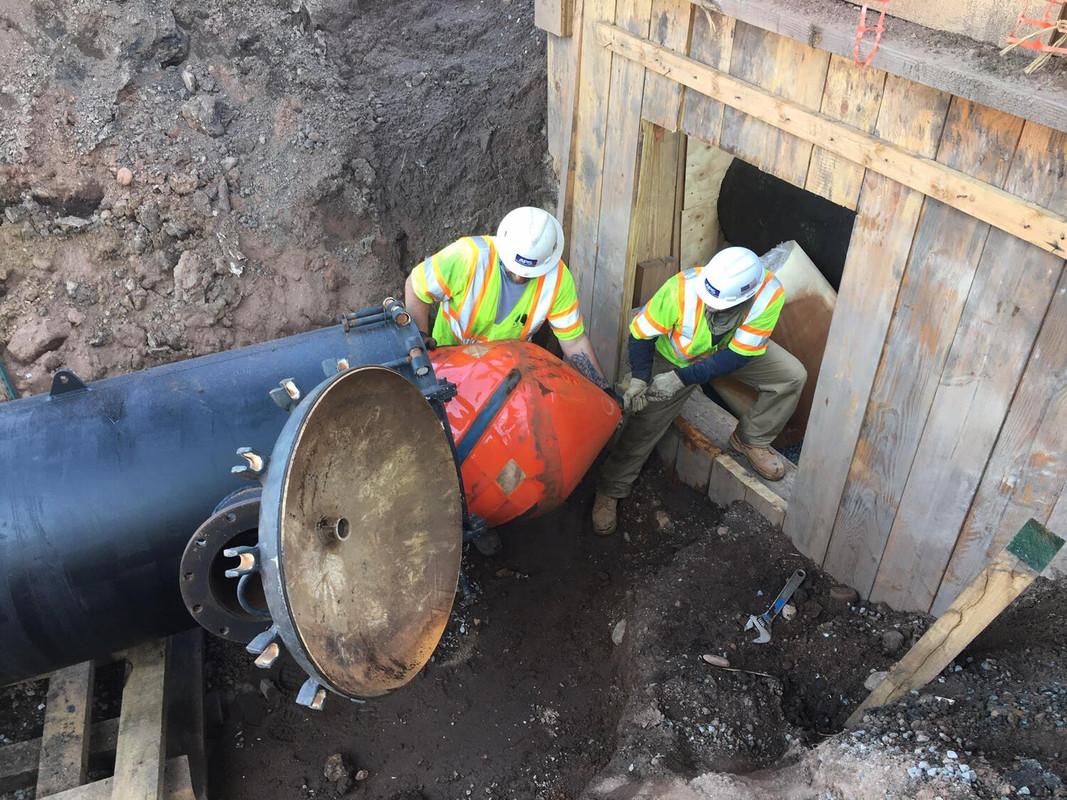
Types of Pipeline Pigs and Their Materials
The effectiveness of pipeline pigs largely depends on their specific type and the materials used to construct them. Here’s an overview:
Foam Pigs: These pigs are made primarily from open-cell polyurethane foam, making them lightweight and flexible. They're excellent for light cleaning, drying, and wiping tasks.
Brush Pigs: These are designed with a metallic body and have brushes of steel wire or polypropylene. Brush pigs are intended for more demanding cleaning tasks, and are particularly effective in eliminating rust and hard deposits.
Magnetic Pigs: These pigs are built with a strong metal body, featuring magnetic elements for the collection of metallic debris. Designed for robustness, they effectively detect and remove ferrous materials from pipelines.
Inspection Pigs (Smart Pigs): Made from a mix of high-density polyethylene (HDPE) and diverse electronic components, these high-tech pigs play an important role in detailed pipeline inspections, offering comprehensive internal assessments.
Gel Pigs: Unlike the typical solid form, gel pigs are made of a jelly-like substance, usually a mix of a base fluid like water or oil with a gelling agent. This special blend allows them to be flexible in their use, excelling in cleaning and separation tasks, especially in situations where standard pigs might fall short.
Urethane Pigs: Crafted from tough cast urethane, these pigs are the go-to for everyday cleaning, batching, and sealing jobs. Their durability is ideal for extensive pipeline distances and challenging cleaning operations.
Ice Pigs: Ice pigging is a distinct method, employing a semi-solid ice mixture to clean pipes. This ice slurry, pushed through the pipeline, works similarly to traditional pigs, efficiently scraping off and soaking up impurities along the way. The ice mixture, made of water and a small concentration of food-grade salt, is particularly effective in pipelines where traditional pigs cannot be used due to size or shape constraints. This method is noted for its gentle but effective cleaning action, and the ice can be easily melted and removed after the cleaning process. Ice pigging is particularly useful in utility and municipal services for cleaning pipes with smaller diameters and those with complex geometries.
Understanding the different types of pigs and the materials used in their construction is crucial for selecting the appropriate pig for specific pipe cleaning services. Each type is designed to address particular challenges encountered in pipeline maintenance.
Pigging as an Innovation in Pipeline Cleaning
Pipeline pigging might seem like a simple technology, but it offers a surprisingly innovative approach to several pipeline challenges. Here's how:
Minimally Invasive Maintenance: Unlike traditional methods that require pipeline shutdowns and excavations, pigging offers a non-intrusive way to clean, inspect, and diagnose issues. This translates to:
Reduced downtime and operational costs: Businesses avoid production losses and costly shutdowns associated with traditional methods.
Environmental benefits: Less excavation means minimal disruption to land and ecosystems.
Improved safety: No need for personnel to enter confined spaces or handle hazardous materials directly.
Versatility and Adaptability: Pigs can be designed for various tasks, including:
Cleaning: Removing debris, wax, and other harmful deposits that impact flow and efficiency.
Inspection: Detecting corrosion, cracks, and other internal pipeline defects using smart pigs equipped with sensors.
Product recovery: Maximizing product yield by collecting residual product left behind after pipeline changes.
Cost-Effectiveness: Compared to alternative methods like excavation or chemical cleaning, pigging often proves more economical due to:
Reduced labor costs: Less reliance on manual intervention compared to traditional methods.
Increased efficiency: Minimized downtime and improved pipeline performance lead to better overall operational efficiency.
Durability and reusability: Many pigs are designed for multiple uses, reducing replacement costs.
Ongoing Innovation: The field of pipeline pigging is constantly evolving, with advancements in:
Pig design: Bi-directional, finless, and self-propelled pigs enhance performance and tackle complex challenges.
Smart technologies: Sensor-equipped pigs gather valuable data for informed decision-making and predictive maintenance.
Automated processes: Pig launching, and retrieval stations improve safety and efficiency.
To illustrate the diverse applications and effectiveness of innovative pigging solutions, let's turn our attention briefly to a compelling case study – the revolutionary "ice pigging" project undertaken at a New York City medical facility.
In a groundbreaking effort, American Pipeline Solutions tackled water quality issues at an NYC medical facility in October 2022 through ice pigging. This innovative approach, a first for the facility, aimed to eradicate persistent problems of water discoloration and taste in various locations. The technique involved meticulously cleaning the main water distribution lines and eleven internal pipelines, previously plagued by stagnation due to COVID-related shutdowns. The results? A resounding success! Nearly all biofilm, iron, and sediment were removed, paving the way for a healthier, cleaner water system and setting a new standard for future maintenance.
Challenges and Solutions
While pipeline pigging offers numerous benefits, it's not without its challenges. Issues like ensuring compatibility with different pipelines and keeping up with evolving technology are significant concerns. Yet, the industry is constantly finding solutions. Through creative designs and the adoption of cutting-edge technologies, including sensors and real-time data monitoring, pipeline pigging is becoming increasingly versatile and effective
Pipeline Experts: Inspection, Cleaning, Coating & More
Certified solutions for inspection, pre-commissioning, cleaning, internal coating, ice pigging™, mapping, and turnkey pipeline projects—maximizing safety and reliability at every stage.
Conclusion:
In summary, pipeline pigging represents a modern, efficient, and environmentally friendly approach to pipe cleaning services. Its advantages over traditional methods are clear, making it an ideal choice for maintaining pipeline health and efficiency.
If you're thinking about adopting this innovative approach, APS is the right choice. With our in-depth knowledge of pipeline pigging and a commitment to exceptional service, we ensure your pipelines are kept in prime condition. Contact us to learn more about our pipe cleaning services and how we can help you maintain your pipelines' integrity and efficiency.
FAQs:
What is pipeline pigging in simple terms?
Pipeline pigging is a maintenance method where a device called a “pig” is inserted into a pipeline and pushed through by product flow or another driving force. As it travels, the pig cleans, inspects, or conditions the internal surface of the line, helping restore flow, remove deposits, and support integrity and safety goals.
Why is pipeline pigging important for industrial maintenance?
Over time, pipelines collect debris, scale, wax, and biofilm that increase friction, reduce flow, and can undermine safety. Pigging provides a controlled way to remove these deposits from inside the pipe without excavation or full shutdowns. The result is improved efficiency, reduced risk, and a more predictable maintenance and inspection program.
What types of pigs are commonly used in pipe cleaning services?
Common pigs include foam pigs for light cleaning and drying, brush pigs for removing rust and hard scale, magnetic pigs for collecting metallic debris, smart pigs for detailed inspections, gel pigs for separation and specialty cleaning, urethane pigs for everyday batching and sealing, and ice pigs for complex or smaller-diameter systems where traditional pigs struggle.
How does ice pigging differ from traditional pigging methods?
Ice pigging uses a semi-solid ice slurry made from water and a small amount of food-grade salt instead of a rigid pig body. The ice conforms to changes in diameter and geometry, gently scrapes and carries away deposits, and then simply melts after cleaning. It is especially useful in municipal and utility systems with small or complex pipelines where standard pigs may not pass safely.
Can pipeline pigging reduce downtime and operational costs?
Yes. Pigging is minimally invasive compared to excavation or manual cleaning. It allows many cleaning and inspection tasks to be performed while the line remains in service or with shorter outages. This reduces labor, limits production losses, and increases overall efficiency, which is why many operators now see pigging as a core part of cost-effective maintenance.
Is pipeline pigging environmentally friendly?
Pigging typically has a lower environmental impact than traditional methods that require large excavations or heavy chemical use. By cleaning from the inside, operators avoid extensive ground disturbance and can limit chemical usage to targeted applications. Approaches like ice pigging add an extra benefit by using water-based slurries that are easy to handle and dispose of after the run.
Can pigging be used in pipelines with complex geometry or small diameters?
Yes, if the right pig type is selected. Flexible foam pigs, gel pigs, and ice pigging are often used where there are tight bends, diameter changes, or small-bore lines. The choice depends on factors like internal features, product type, and the specific deposits being addressed. An experienced service provider like APS evaluates these variables before recommending a solution.
How does pigging improve pipeline inspection quality and safety?
Pigging removes debris and deposits that can hide defects or interfere with smart pig sensors. A clean, conditioned line gives inspection tools a clearer view of the pipe wall, which improves data quality and helps identify real issues sooner. At the same time, pigging reduces the need for personnel to enter confined spaces, supporting safer maintenance practices overall.