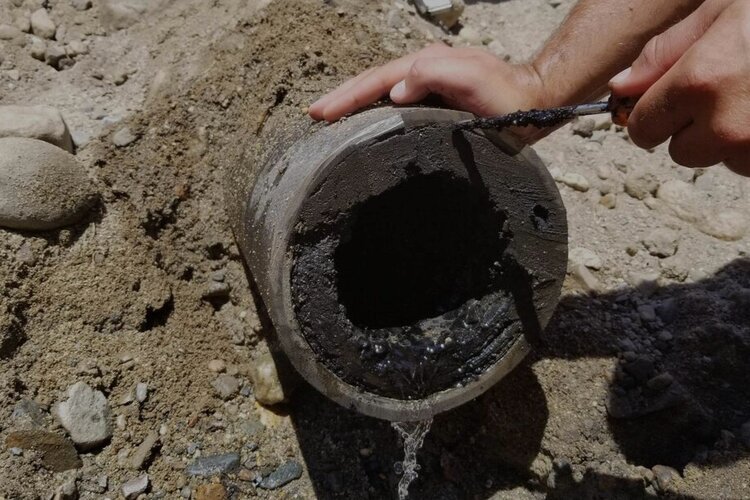
Pipeline Pig Tracking
Pipeline pig tracking is the process of monitoring the exact location and progress of a pig as it travels through a pipeline. In pigging operations, knowing where the pig is at all times is critical for both safety and efficiency. Whether the goal is pipeline cleaning, proving a line for the first time, running a caliper tool, or preparing for an in-line inspection (ILI) run, pig tracking helps ensure the process goes smoothly from launch to retrieval.
At American Pipeline Solutions (APS), pig tracking services are offered alongside many of our pipeline maintenance and inspection solutions. With advanced tracking equipment and highly trained technicians, operators can run pigs with confidence, reduce downtime, and avoid costly complications across oil, gas, water, and industrial systems.
Why Pig Tracking is Essential?
Pipelines can contain unknown debris or obstructions left from construction or introduced over time. Changes in elevation, line geometry, or product flow can also affect how a pig moves inside the pipe. Without accurate pig tracking, a pig can slow down, stop, or become stuck in the line.
This leads to serious risks, including costly excavation and recovery efforts, delays or shutdowns in operations, safety hazards for crews and facilities, and interrupted cleaning or inspection results.
Accurate pig tracking also allows operators to confirm that a pig has launched properly, verify that it has passed key locations, and make sure it has safely arrived in the receiver. When an unexpected event occurs, tracking data narrows the search area, reducing how much pipe needs to be exposed to locate the tool.
By using pipeline pig tracking services, APS helps prevent these risks, keeping pigs moving and operators fully informed throughout every stage of the pigging process.
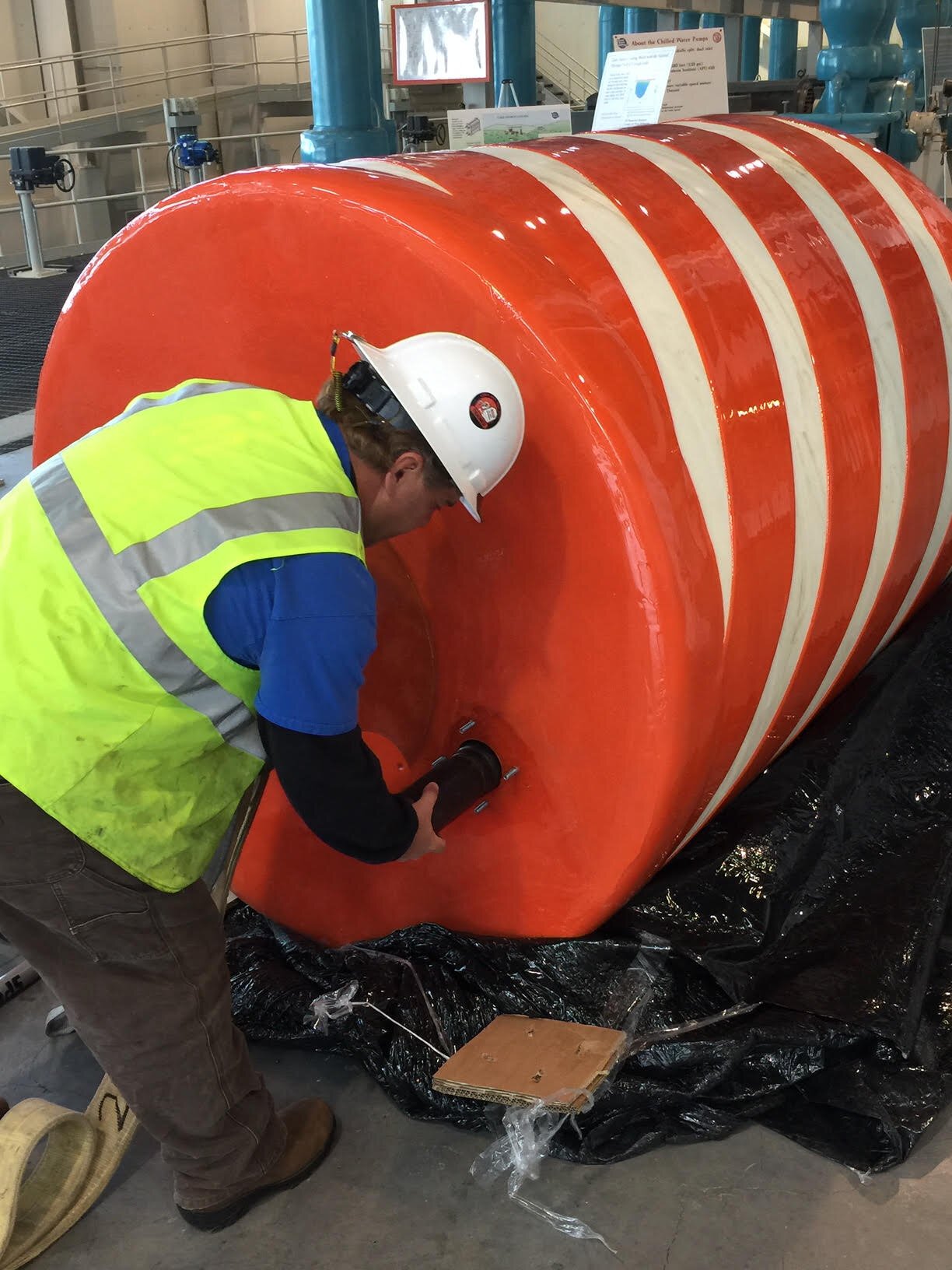
Pipeline pigs are used for a number of reasons, but regardless of the purpose, knowing where they are in the pipeline is imperative. Pipeline pig tracking is a service provided by APS in tandem with many of our other offerings, including cleaning, pre-commissioning, hydrostatic testing, pipeline inspection, and drying.
Pipelines often have unknown debris or obstructions that were either left after construction or introduced at some point in time. Pipeline pig tracking is especially essential when cleaning or proving a line for the first time, running smart pigs, or moving critical tools through long-distance transmission lines.
How APS Performs Pig Tracking?
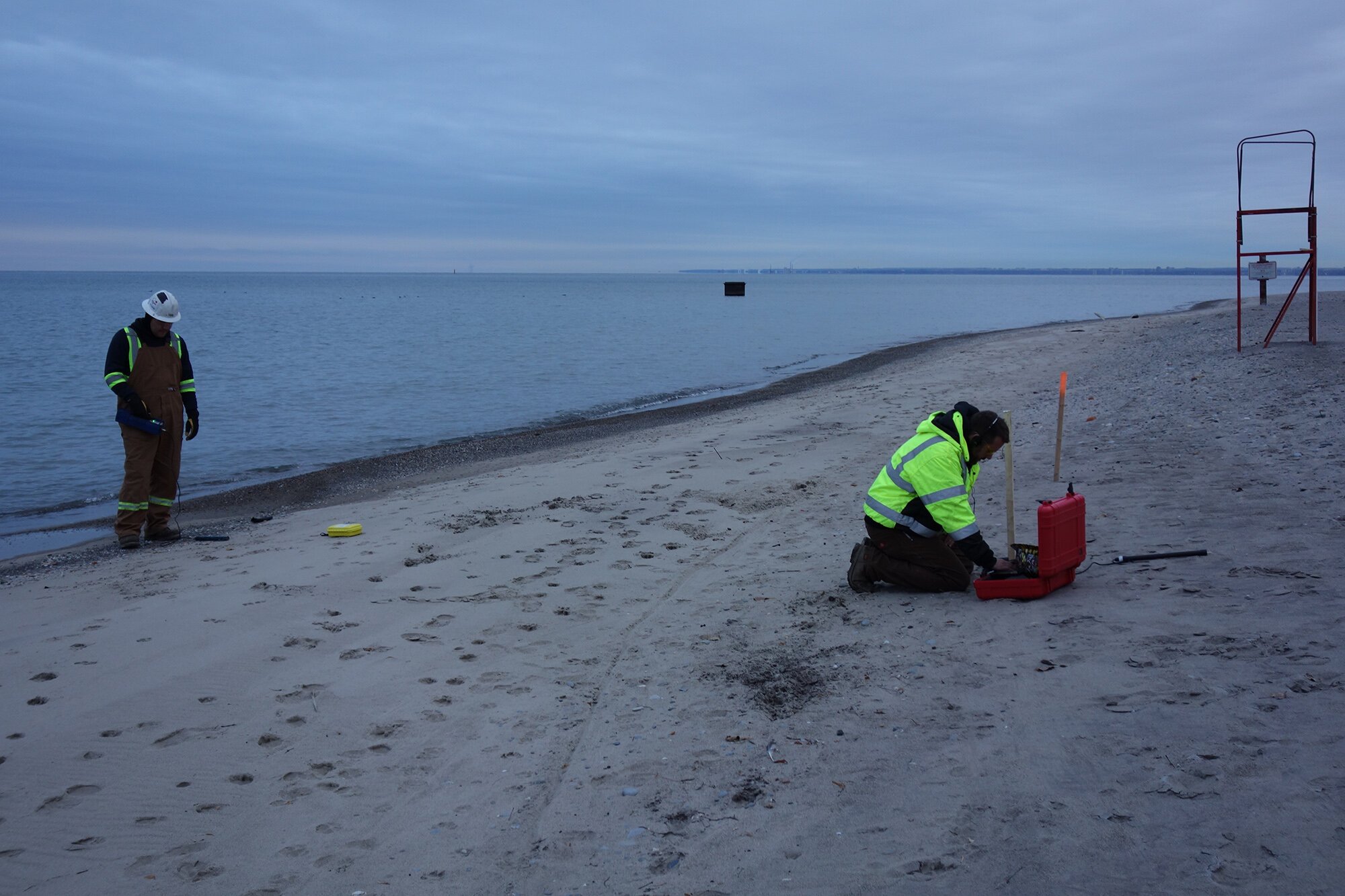
APS uses a proven method of combining transmitters inside the pig with advanced receivers to pinpoint its location. A locating device (transmitter) with a dedicated frequency is installed in the pig, and our field teams use both handheld receivers and Above-Ground Marker (AGM) units to detect its signal and track movement.
We rely on state-of-the-art pig tracking equipment from industry leaders such as Comtel, Envirocal, and Spy. This technology gives our field technicians the ability to track pigs with precision, even across buried or remote pipelines and in challenging field environments.
Our tracking systems support continuous monitoring during live pig runs, confirmation that a pig has passed key locations, and rapid location of stationary or “lost” pigs when a run does not go as planned.
From the moment a pig is launched, APS technicians monitor its movement in real time until it arrives at the receiving site or is safely recovered.
Applications of APS Pig Tracking Services
Our pig tracking pipeline services are critical in a wide range of applications, including first-time pipeline cleaning or proving, running caliper pigs and ILI tools, oil and gas transmission lines, and water or industrial pipelines.
When running pigs through a new or previously un-pigged line, tracking is vital to verify that the pig is moving as expected, identify any restrictions, and confirm that the line is clear and safe for operation.
Pig tracking is also essential when running caliper tools and inline inspection (ILI) tools used for internal inspection and condition assessment. Knowing pig speed and position helps ensure high-quality data and simplifies any follow-up work if anomalies are detected.
In high-consequence and regulated environments, pig tracking supports safe, efficient operation of crude oil, refined products, and gas pipelines. For water, wastewater, and industrial lines, pig tracking supports cleaning, dewatering, and inspection runs. It is especially useful during hydrotest water column placement, purge pigging, line flooding, and decommissioning projects where precise tool positioning is critical.
Wherever precision and reliability are required, APS provides dependable pig tracking services tailored to each project.

Caliper Pigging Tool
Tracking is also essential for the preparation of receiving sites when running mandrel pigs, caliper tools, and ILI tools. By monitoring location and speed, APS ensures that receivers are staffed and ready when the pig approaches, reducing wait times and minimizing risk at the trap.
Our pig tracking systems confirm the passage of these critical tools at above-ground locations and help locate them quickly if they slow down or stop. This is particularly important when inspection data indicates an area that requires excavation or repair—the tracking records provide an accurate milepost, depth, and reference for field crews.
Technology and Expertise You Can Trust
At APS, pig tracking is not just about equipment—it’s about the skilled technicians behind the service. All APS Field Technicians receive continuous training in pig tracking methods across oil, gas, water, and industrial systems. They are experienced in interpreting tracking signals, recognizing abnormal pig behavior, and coordinating with control rooms and field crews during critical operations.
Our approach combines cutting-edge technology with on-the-ground expertise, ensuring that every pig run is completed safely, efficiently, and without unnecessary disruption to operations.
APS Pig Tracking Expertise Across Industries
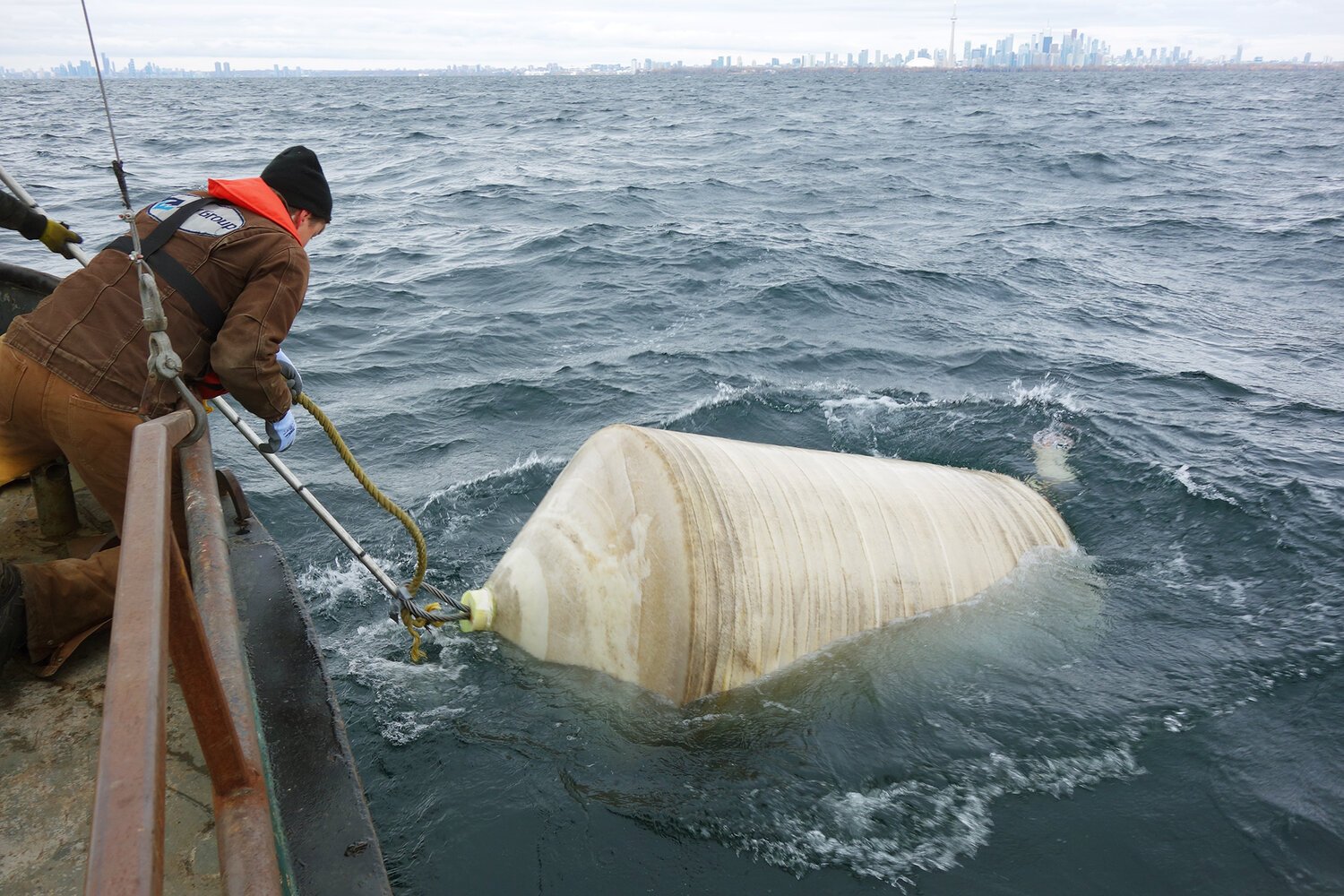
All of our Field Technicians are constantly trained to conduct pipeline pig tracking in all sorts of industries, not just oil and gas. From gathering systems and long-haul transmission lines to municipal water and industrial facilities, APS applies the same disciplined process: plan the run, track the pig, and document every key event from launch to receipt.
From the time a pig is launched, our technicians monitor its location over the course of its transit through the pipeline, adjusting field positions and communication as needed to maintain full situational awareness.
Partner With APS for Pipeline Pig Tracking
When you need reliable pig tracking services, trust APS to deliver accurate monitoring and professional oversight every step of the way. By combining advanced pig tracking equipment with proven field expertise, we help pipeline operators reduce risks, save time, and maintain pipeline integrity.
Whether you’re cleaning a new line, running a smart pig, or managing a complex pigging program across multiple assets, APS provides the pig tracking support you need to keep operations safe and efficient.
Contact American Pipeline Solutions today to learn more about our pipeline pig tracking services or to discuss your upcoming pigging project.
Frequently Asked Questions About Pipeline Pig Tracking
What is pipeline pig tracking?
Pipeline pig tracking is the process of monitoring the exact position and progress of a pig as it moves through a pipeline. Technicians use transmitters inside the pig and receivers on the surface to confirm that the pig has launched, is moving correctly, and has safely arrived at the receiver.
Why is pig tracking important for pipeline operations?
Pig tracking helps prevent stuck or lost pigs, unnecessary excavations, and unplanned shutdowns. It gives operators real-time visibility into where the pig is, how fast it is traveling, and whether it is behaving as expected, which directly supports safety, efficiency, and data quality during cleaning or inspection runs.
How does APS track pigs in buried or remote pipelines?
APS installs a dedicated-frequency transmitter in the pig and uses a combination of handheld receivers and Above-Ground Marker (AGM) units to detect the signal through soil and pipeline coating. By moving receivers along the route and placing AGMs at key locations, our technicians can accurately follow the pig even in fully buried or remote lines.
Can pig tracking help if a pig becomes stuck or slows down?
Yes. When a pig slows down, stops, or behaves abnormally, tracking data allows APS to narrow the location to a specific segment of pipe. This targeted information reduces excavation length, shortens response time, and helps operators plan safe recovery or remediation activities.
Is pig tracking only needed for smart pigs and ILI tools?
Smart pig and ILI runs absolutely require tracking, but it is also extremely valuable for cleaning pigs, gauging pigs, and caliper tools—especially in new lines or lines that have not been pigged before. Any time the risk of unknown debris, tight bends, or heavy deposits is present, pig tracking adds an important layer of safety and control.
What information does APS record during pig tracking?
APS documents launch and receive times, pig passage at key locations, estimated position during the run, and any abnormal events such as slowdowns or suspected stalls. This tracking record can be used alongside inspection data, cleaning reports, and integrity records to support maintenance planning and regulatory documentation.
Can APS provide pig tracking as a standalone service?
Yes. APS can provide pig tracking as a standalone service for your cleaning, caliper, or ILI runs, or integrate it with other services such as pigging, hydrostatic testing, and internal inspection. Our team works with your operations and integrity groups to align tracking support with your project needs.
What types of pipelines can APS track pigs in?
APS tracks pigs in a wide range of systems, including crude oil and refined product lines, natural gas transmission and gathering systems, water and wastewater pipelines, and industrial facilities. Our field technicians are trained to adapt tracking techniques to different diameters, products, and environments.