
Challenging Pipeline Inspection
Pipelines are built to move energy and water safely, often in places that are hard to reach and even harder to see. Over time, many of these lines end up in a category operators know well: challenging or “unpiggable” pipelines.
These are lines that cannot be inspected with conventional tools or standard smart pigging runs—yet they still carry critical fluids through cities, river crossings, plants, and sensitive environments.
At American Pipeline Solutions (APS), challenging pipeline inspection is not an exception. It is a core part of how we help operators protect assets, reduce risk, and meet regulatory expectations.
This blog explores what makes a pipeline difficult to inspect, why traditional approaches fall short, and how APS combines cleaning, smart pigging, Ice Pigging™, inspection, and consulting to turn “unpiggable” lines into inspectable assets.
What Makes a Pipeline “Challenging” or “Unpiggable”?
Not every pipeline was designed with inspection in mind. Some were installed decades ago under roads and rivers. Others were built as compact station piping with tight elbows and complex manifolds. Over time, operating conditions change, tie-ins are added, and drawings go missing.
A pipeline becomes “challenging” when one or more of these factors make standard in-line inspection (ILI) or pigging difficult, risky, or impossible.
Geometric and Design Challenges
Geometry is one of the biggest reasons a line is labeled unpiggable. Tight bends, short-radius elbows, mitred bends, and back-to-back fittings can stall or damage conventional pigs.
Multi-diameter segments—such as transitions between two nominal sizes—or lines with wyes and tees add more complexity.
Non-metallic or heavily lined pipe sections, like HDPE or cement-lined segments, can also limit which technologies can be used. In many older systems, the pipeline was simply never equipped with proper launchers and receivers, so there is no obvious way to introduce or retrieve an inspection tool.
Operational and Product Constraints
Even when the geometry looks manageable on paper, operations can work against you. Low or unstable flow may not provide enough energy to push a conventional pig.
Some systems cannot be shut down or depressurized, so inspection has to happen with the line live.
High temperatures, slurries, or aggressive fluids can damage tools or distort signals. In other cases, operators cannot change the product, batch, or flow profile enough to meet the requirements of standard ILI tools.
Access and Location Limitations
Many of the most challenging pipelines are buried deep, cross rivers or highways, run through plants, or sit under busy intersections and airports. Installing a launcher or receiver in these locations can be difficult, time-consuming, or disruptive.
Even if the pipeline can be accessed, above-ground space may be cramped, with limited clearance or nearby structures, making safe pigging operations more complex.
Age, Condition, and Legacy Design
Aging infrastructure adds another layer of difficulty. Vintage welding techniques, undocumented tie-ins, older coating systems, and unknown changes along the route can make inspection planning more uncertain.
Build-up of scale, wax, tuberculation, or other deposits may narrow the bore and increase the risk of a pig becoming stuck.
Data and Interpretation Challenges
Finally, the challenge is not just moving an inspection tool through the line—it is making sense of what comes back. Challenging pipelines often produce complex data sets: mixed wall thicknesses, unusual welds, and localized defects in unexpected places.
Turning that data into clear, defensible decisions requires experience, judgment, and the right analytical tools.
Pipeline Experts: Inspection, Cleaning, Coating & More
Certified solutions for inspection, pre-commissioning, cleaning, internal coating, ice pigging™, mapping, and turnkey pipeline projects—maximizing safety and reliability at every stage.
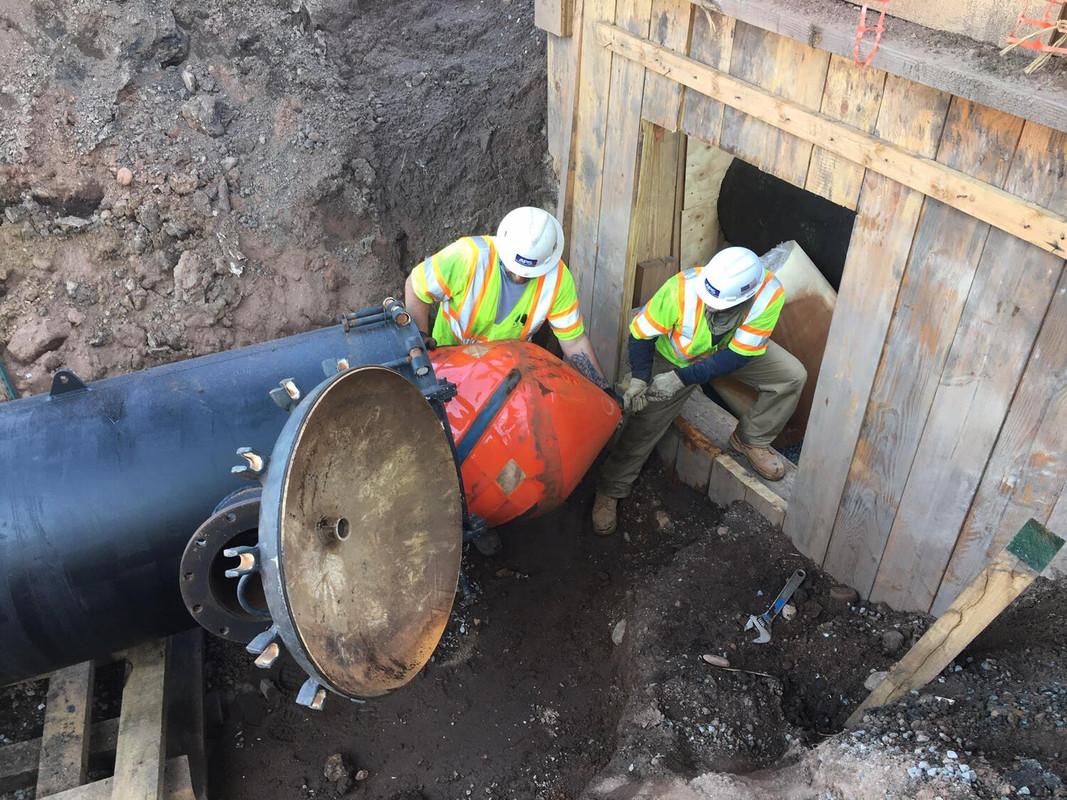
Why Conventional Inspection Methods Often Fall Short?
Standard in-line inspection tools are designed for reasonably straight, reasonably clean pipelines with consistent diameters, adequate flow, and purpose-built launchers and receivers.
In challenging lines, these assumptions break down. Pigs may stall, bypass sections of pipe, or stop collecting usable data if they experience severe turbulence, heavy debris, or excessive friction. If the line cannot be cleaned properly, deposits can mask corrosion or create false signals.
External methods alone—such as limited exposure digs, spot ultrasonic testing, or walking surveys—can help but often cannot provide a complete picture, especially for long buried sections. Hydrostatic testing can confirm that a line holds pressure, but it does not tell you where metal loss, cracking, or other local threats may be hiding.
For these reasons, difficult-to-inspect pipelines require a different approach: one that combines cleaning, modified operations, specialized tools, and thoughtful engineering.
Modern Solutions for Difficult-to-Inspect Pipelines
Challenging pipeline inspection is not about one magic device. It is about having a toolbox of technologies and services—and knowing how to apply them in the right order.
Specialized In-Line Inspection Tools
Today’s ILI tools are far more flexible than earlier generations. Low-flow and low-pressure tools can operate in lines that once seemed off-limits. Bi-directional and tethered tools make it possible to inspect lines without permanent launchers and receivers, moving in and out through a single access point.
For multi-diameter and station piping, flexible tools and small-diameter inspection devices can navigate tight geometries that conventional pigs cannot safely traverse.
Advanced Sensor Technologies
Inspection tools may carry Magnetic Flux Leakage (MFL) sensors, ultrasonic transducers, deformation sensors, or high-resolution cameras, depending on the threats being evaluated. MFL is ideal for detecting metal loss and corrosion, while ultrasonic tools can quantify wall thickness and characterize cracks and laminations.
Choosing the right technology—or combination of technologies—requires a clear understanding of pipeline materials, operating conditions, and the types of defects most likely to occur.
Cleaning and Preparation: The Hidden Challenge
Even the best inspection tool cannot perform well in a dirty or heavily obstructed pipeline. Cleaning is often the hidden challenge that dictates whether an inspection will succeed.
APS uses Pipeline Cleaning programs tailored to the line’s conditions, which may include conventional pigs to remove debris, as well as Ice Pigging™ for water and force mains where biofilm and tuberculation are a concern. These steps help restore internal diameter, reduce friction, and ensure that sensors have a clear path to detect real defects.
In pre-commissioning projects, Pipeline Pre-Commissioning services align cleaning, gauging, and initial inspection so operators start with reliable data from day one.
Temporary Modifications to Make Pipelines Piggable
Sometimes, a pipeline simply cannot be inspected without modest changes. Temporary launchers or receivers, bypass loops, or spool pieces may be installed to create safe access points.
In other cases, minor operational changes—such as adjusting flow, pressure, or batching—can expand the window of opportunity for inspection.
APS supports operators through Turnkey / T&M / Consulting services, helping design these modifications, coordinate field activities, and balance inspection requirements with operational constraints.
Data Analytics and Integrity Engineering
Collecting data is only the beginning. Turning it into action requires structure.
APS uses Pipeline Inspection / Pipeline Condition Analysis services to evaluate inspection data, compare it to historical information when available, and identify where repairs, recoating, or pressure adjustments may be needed.
This may be paired with mapping to better understand pipeline alignment, elevations, and high-risk features along the route.
The result is not just an inspection report, but a practical integrity plan that operators can implement.
Risk, Compliance, and Integrity Management
Challenging pipelines often run through high-consequence areas or support critical operations such as refineries, tank farms, industrial plants, or municipal water systems. Leaving these lines under-inspected can increase the likelihood and impact of failures.
Regulators and internal integrity programs increasingly expect operators to address difficult-to-inspect lines using a documented, risk-based approach.
That may include demonstrating that the line has been cleaned, that an appropriate inspection method has been selected, and that results have been translated into a clear plan of action.
By combining inspection, testing, cleaning, and internal coating where appropriate, APS helps operators close gaps in their integrity programs and demonstrate due diligence for even the most complex assets.
How American Pipeline Solutions Tackles Challenging Pipeline Inspection
APS has built a reputation for tackling complex, high-stakes pipeline projects for oil, gas, water, and chemical systems. Our approach to challenging pipeline inspection is methodical and collaborative.
Starting with an Engineering Review
Every project begins with understanding why the line is considered challenging. APS reviews available alignment sheets, as-built drawings, operating envelopes, pigging history, and known trouble spots. Where information is missing, we work with operators to confirm what is known and what must be assumed.
This engineering review helps identify whether the main constraints are geometry, operations, access, legacy design, or some combination of all four.
Making the Pipeline Inspectable
Once the constraints are understood, APS designs a practical path forward. That may include staged cleaning, adding temporary access points, adjusting flow or pressure during inspection, or combining internal tools with external assessment techniques.
Our Pipeline Cleaning, Ice Pigging™, and Pipeline Pre-Commissioning services often play a central role in making a previously unpiggable line ready for inspection.
When corrosion or damage is present, internal coating can be used after repairs and cleaning to extend the service life of the pipeline.
Selecting the Right Inspection Method
With the line prepared, APS helps operators select appropriate inspection methods: smart pigging, robotic or tethered tools, guided inspection techniques, or combinations that offer the best coverage.
Smart pigging tools are chosen based on the threats being evaluated—metal loss, deformation, cracking, or a mix.
From Raw Data to an Integrity Plan
Inspection is only successful when it leads to clear decisions. APS’s Pipeline Inspection / Pipeline Condition Analysis services translate raw inspection data into dig sheets, repair priorities, and timelines.
Where beneficial, this is combined with mapping and historical information to build a more complete picture of pipeline behavior over time.
Operators can then plan targeted repairs, make informed decisions about recoating or internal coating, and establish re-inspection intervals that match the actual condition of the line.
Pipeline Experts: Inspection, Cleaning, Coating & More
Certified solutions for inspection, pre-commissioning, cleaning, internal coating, ice pigging™, mapping, and turnkey pipeline projects—maximizing safety and reliability at every stage.
Example Scenarios of Challenging Pipeline Inspection
Every pipeline is different, but challenging lines often share recognizable patterns.
Small-Diameter Station Piping with Tight Bends
In station piping and metering facilities, small-diameter lines with short-radius elbows and numerous fittings can be especially difficult to inspect. There may be no launcher, and space is limited.
APS can design a cleaning and inspection sequence using small-diameter tools, temporary access, and careful flow management, turning a static risk into a documented, managed asset.
Aging Water or Force Main with Limited Access
Urban water and force mains often run under roads and developed areas with limited access points. Heavy deposits and tuberculation can further narrow the pipe.
Using Ice Pigging™ and cleaning services, APS can remove internal build-up, then apply appropriate inspection techniques and condition analysis to determine whether repairs, lining, or internal coating are required.
Multi-Diameter Pipeline with Flow Constraints
In some oil or gas lines, sections of differing diameters and long distances between access points create challenges. Flow conditions may be marginal for standard pigs.
APS can employ multi-diameter-capable pigs, staged cleaning runs, and carefully managed operating conditions to complete inspection runs.
Combining ILI data with hydrotests, leak history, and mapping yields a robust view of fitness-for-service.
How Asset Owners Can Prepare for a Challenging Inspection?
Operators can do a great deal to set a challenging inspection project up for success. Gathering current and historical drawings, documenting operating limits, identifying locations where access is particularly limited, and clarifying shutdown constraints all help shorten the planning phase.
Engaging APS early allows our team to align consulting, cleaning, inspection, mapping, and coating strategies into a single, integrated plan rather than a series of separate tasks. This reduces overall cost, avoids rework, and delivers better data the first time.
Why Partner with American Pipeline Solutions?
Challenging pipelines demand more than standard tools—they require a partner with the experience, creativity, and discipline to work through constraints step by step.
American Pipeline Solutions combines Pipeline Inspection / Pipeline Condition Analysis, Pipeline Pre-Commissioning, Turnkey / T&M / Consulting, Pipeline Cleaning, Ice Pigging™, internal coating, and mapping into cohesive programs that make difficult lines inspectable and manageable.
Our focus is simple: help operators understand the true condition of their pipelines and act on that knowledge with confidence.
If you are facing a pipeline that others have called “unpiggable” or difficult to inspect, APS is ready to help you find a path forward.
Frequently Asked Questions About Challenging Pipeline Inspection
What is a “challenging” or “unpiggable” pipeline?
A challenging or “unpiggable” pipeline is one that cannot be inspected with standard inline inspection tools due to factors like tight bends, diameter changes, lack of launchers and receivers, low flow, or difficult operating conditions. These lines require customized inspection strategies and specialized tools.
Can all pipelines be made piggable?
Not every pipeline can be made piggable without modification, but many “unpiggable” lines can be inspected once the right cleaning program, temporary hardware, and inspection technology are put in place. APS focuses on making difficult pipelines inspectable where it is practical and cost-effective to do so.
What are the most common reasons pipelines are difficult to inspect?
Common reasons include complex geometry (tight bends, mitred elbows, tees), low or unstable flow, limited access or missing launchers and receivers, heavy internal deposits, older construction with unknown features, and constraints that prevent shutdowns or large modifications.
How do you inspect a pipeline with no launcher or receiver?
Options include installing temporary launchers/receivers, using bi-directional or tethered tools, or deploying robotic crawlers that can enter through existing access points. The best solution depends on pipeline layout, product, and operating constraints, which APS evaluates during the engineering review.
What inspection technologies are used for challenging pipelines?
Advanced inline inspection tools may use magnetic flux leakage (MFL), ultrasonic testing (UT), EMAT, deformation sensors, or cameras. For especially complex pipelines, robotic or tethered tools and external assessment methods may also be applied as part of a combined integrity strategy.
Why is challenging pipeline inspection important for integrity management?
Difficult-to-inspect pipelines often run through high-consequence areas or support critical operations. If they are not inspected properly, defects can go undetected, increasing the risk of leaks, failures, regulatory issues, and unplanned downtime. Challenging pipeline inspection helps operators understand and manage these risks.
How can American Pipeline Solutions help with my challenging pipeline?
APS starts by understanding why your pipeline is considered challenging, then designs a practical plan that may include cleaning, temporary modifications, and specialized inspection tools. The goal is to safely collect high-quality data and turn it into a clear integrity plan you can act on with confidence.


