

Corrosion Pipeline Inspection Services
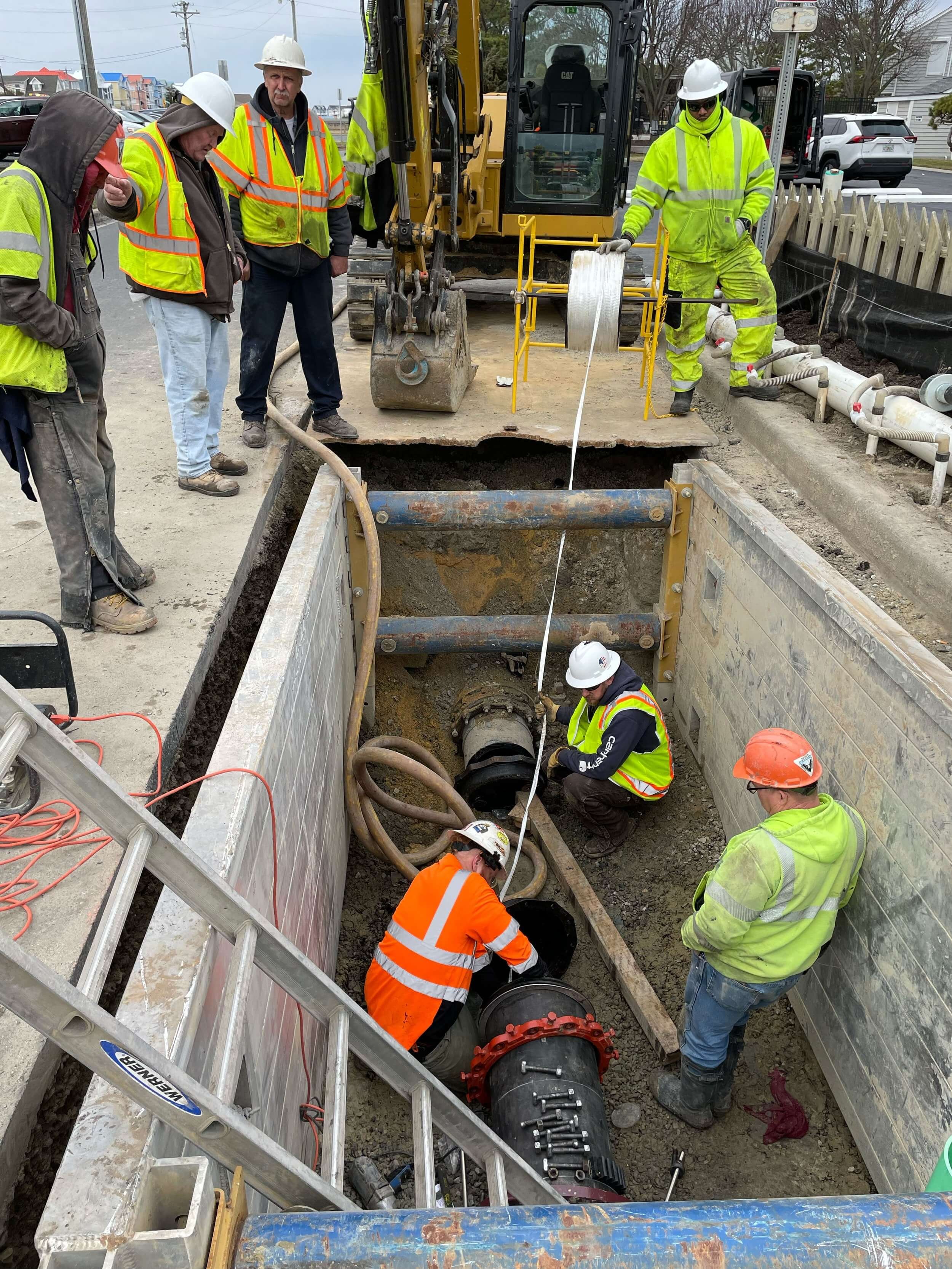
Protecting Your Pipeline from Corrosion-Driven Failures
Corrosion is one of the most common and costly threats to pipeline integrity. Over time, internal metal loss, pitting, and corrosion interacting with other features can quietly reduce wall thickness until a pipeline is no longer fit for service. Leak tests alone cannot show where the damage is or how fast it is growing.
At American Pipeline Solutions (APS), our Corrosion Pipeline Inspection Services focus on finding, sizing, and locating corrosion before it becomes a failure. We combine advanced inline inspection (ILI) tools, specialized pigging programs, Ice Pigging™, condition analysis, internal coating, and mapping to give operators a clear, practical view of their pipeline’s internal health.
What Is Pipeline Corrosion Inspection?
Pipeline corrosion inspection is the process of assessing internal metal loss and corrosion defects along a pipeline so you can understand current condition, remaining life, and where intervention is needed.
Unlike simple pressure tests that only confirm a line holds at a moment in time, corrosion inspection goes deeper. Using instrumented pigs and structured analysis, APS looks at wall thickness, pit depth, corrosion clusters, interaction with welds or dents, and how these features affect overall integrity.
Corrosion Inspection vs. General Pipeline Testing
General tests—such as hydrostatic or nitrogen pressure testing—can confirm that a pipeline is currently leak-tight at a certain pressure. They do not show where corrosion is located, how severe it is, or how much safety margin remains.
Corrosion pipeline inspection fills this gap by delivering defect-level information. That insight supports fitness-for-service evaluations, repair planning, re-inspection intervals, and long-term integrity strategies.
Common Corrosion Threats in Pipelines
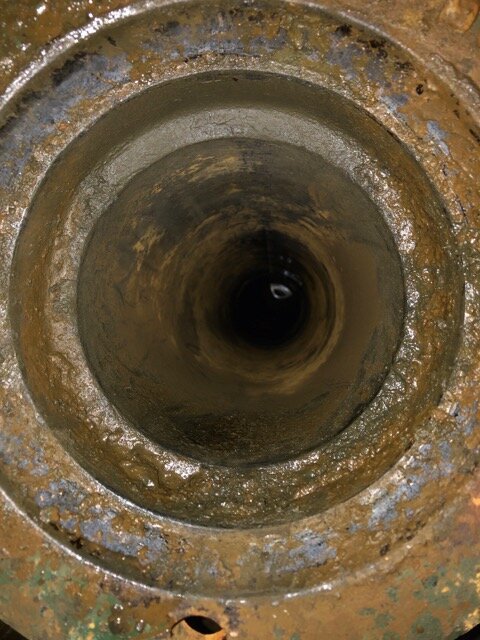
Internal corrosion can take many forms. Some lines suffer from general wall thinning caused by water, CO₂, H₂S, or other corrosive components. Others experience localized pitting, often under deposits or at low points where liquids collect. Microbiologically influenced corrosion, under-deposit corrosion, and corrosion at weld seams or fittings can create concentrated damage in small areas.
Corrosion does not exist in isolation. It often interacts with geometry changes, dents, ovality, and manufacturing features. A shallow pit in a straight, lightly stressed section of pipe may be acceptable, while similar metal loss in a dented or strained area could represent a much higher risk.
Because these patterns are not always obvious, corrosion inspection needs to capture both the depth and the context of metal loss.
When Should You Order a Corrosion Pipeline Inspection?
Corrosion pipeline inspection is appropriate at several key points in an asset’s life.
Aging pipelines that have not been inspected for many years are candidates for corrosion-focused ILI to re-establish a clear understanding of condition. Newly acquired assets often require baseline inspection to support integration into existing integrity programs.
Changes in service—such as introducing a different product, changing flow regime, or raising operating pressure—can alter corrosion behavior and are strong triggers for corrosion inspection. Finally, any history of internal corrosion leaks, recurring repairs, or frequent cleaning issues suggests that a deeper inspection is warranted.
APS supports oil and gas transmission and distribution pipelines, water and force mains, and piggable industrial lines, adapting our services to each environment.
What You Receive from an APS Corrosion Inspection?
At the end of a corrosion pipeline inspection project, operators receive more than just a data file. APS delivers structured reports that include corrosion feature listings, severity rankings, and clear summaries of overall condition.
You can expect:
A corrosion feature list with depth, length, and location.
A condition summary highlighting high-risk areas and corrosion trends.
Mapping and visualization to support repair planning and excavation.
Recommendations for repairs, internal coating, cleaning intervals, and re-inspection timelines.
These outputs are designed to feed directly into your integrity management and maintenance planning processes.
Why Choose American Pipeline Solutions for Corrosion Pipeline Inspection?
American Pipeline Solutions is a specialist in pipeline pigging, cleaning, and inspection. Our corrosion pipeline inspection services draw on the same strengths that define our other offerings:
Integrated pigging and inspection programs that combine cleaning, smart pigging, Ice Pigging™, condition analysis, internal coating, and mapping.
Practical, field-ready recommendations rather than raw data alone.
A strong focus on safety, regulatory alignment, and asset life extension.
If you need a corrosion-focused view of your pipeline and want an inspection program that leads directly to action, APS is ready to help.
Frequently Asked Questions About Corrosion Pipeline Inspection
What is pipeline corrosion inspection?
Pipeline corrosion inspection is the process of detecting and quantifying internal metal loss and corrosion defects so you can understand current condition, prioritize repairs, and plan for future operation.
How often should I inspect my pipeline for corrosion?
The right interval depends on pipeline age, environment, product, and previous inspection results. Many operators align corrosion inspections with their integrity management plans, typically every few years or sooner in high-risk lines.
How is corrosion inspection different from hydrotesting?
Hydrotests confirm that a line can hold pressure at a given moment, but they do not locate or size corrosion. Corrosion inspection uses inline tools and analysis to show where corrosion exists, how severe it is, and how it is distributed along the line.
Can you inspect older pipelines that were not designed for pigging?
In many cases, yes. With proper cleaning, planning, and tool selection, even challenging lines can often be inspected. APS evaluates each pipeline individually to determine what is feasible.
What will I gain from a corrosion pipeline inspection with APS?
You gain a clear understanding of where corrosion exists, how serious it is, what needs attention now, and how to manage the pipeline going forward. That information supports safer operations, fewer surprises, and better long-term decisions.


