
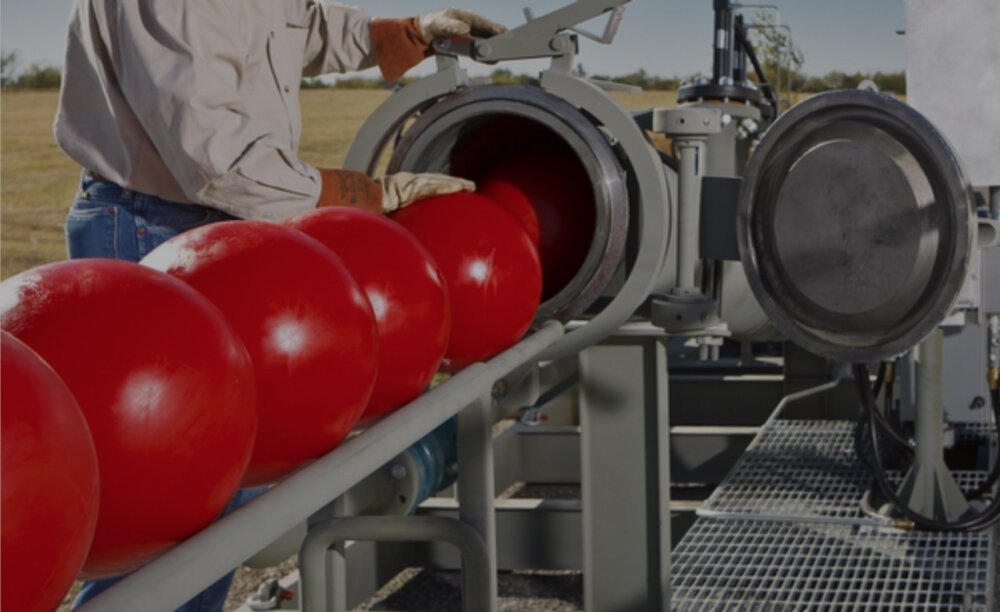
PIGGING EQUIPMENT
In addition to operating the most technical and state-of-the-art equipment available, American Pipeline Solutions offers select equipment for our customers.
Equipment for Sale or Rent:
Pig Launchers : 4” Through 60”
Pig Receivers : 4” Through 60”
Test Heads : 4” Through 24”
Pig Tracking Equipment, Including AGM’s
Testing Equipment
Pumps
Cleaning/ Drying Pigs
At American Pipeline Solutions, we bring together field-tested experience and state-of-the-art equipment to deliver high-performance pipeline pigging and inspection services. Every tool we use is chosen for a specific function — whether it's clearing tough debris, preparing lines for inspection, or ensuring compliance with integrity management programs.
Below is a breakdown of the core tools and technologies we operate with across various pipeline systems.
Pipeline Pigging Tools Used By APS
Different pipeline conditions require different pig designs. A tool that works well for removing soft debris may not be suitable for heavy scale, liquid displacement, or internal inspection.
Foam Pigs
Foam pigs are flexible tools used for light cleaning, drying, liquid removal, and proving runs. Their ability to pass through bends and minor diameter changes makes them useful in pipelines with challenging internal geometry.
They may also be used as part of a progressive cleaning program before more aggressive tools are introduced. Our guide to foam pigs explains where these tools are most effective.
Cup And Disc Pigs
Cup and disc pigs create a seal against the pipe wall and are commonly used for liquid displacement, batching, dewatering, and routine cleaning.
The sealing elements help push water, debris, or other pipeline contents toward the receiving location. Pig configuration is selected according to pressure, pipe diameter, bends, and the required cleaning result.
Mandrel And Brush Pigs
Steel mandrel pigs can be fitted with brushes, magnets, or other cleaning components. They are typically used for removing scale, corrosion residue, wax, and more difficult deposits.
Aggressive cleaning should be introduced carefully. Removing too much buildup in one pass may create a debris blockage or increase the risk of a stalled pig.
Gauging And Caliper Pigs
Gauging pigs help confirm that a pipeline has enough internal clearance for later cleaning or inspection tools. A gauging plate may reveal dents, restrictions, weld intrusion, ovality, or construction debris.
Caliper tools provide more detailed geometry information and may be used to assess internal diameter changes and deformation. These services are particularly valuable before advanced inspection work.
Smart Pigs And Inspection Tools
Smart pigs collect information about internal pipeline condition while moving through the line. Depending on the technology, they may identify corrosion, metal loss, cracks, dents, geometry changes, or wall thickness concerns.
APS provides smart pigging services as part of broader pipeline inspection and condition analysis projects.
Advanced Pigging Tools for Inspection and Specialty Cleaning
In addition to traditional cleaning pigs, we employ advanced tools for diagnostics, condition monitoring, and specialty cleaning.
Smart Pigs
Smart pigs are sophisticated inspection tools equipped with technologies such as Magnetic Flux Leakage (MFL) and Ultrasonic Testing (UT). These devices collect real-time data about wall thickness, corrosion, pitting, weld anomalies, and mechanical damage — all without interrupting pipeline operations. Smart pigs are crucial for long-term pipeline integrity management and compliance with regulatory requirements.
Ice Pigs
Ice pigging offers a unique, non-abrasive solution for sensitive or complex pipeline systems. A slurry of ice is pumped through the pipe, conforming to the internal geometry while scouring buildup from the walls. Once the cleaning is complete, the ice simply melts, leaving no waste or residue. This method is ideal for food-grade lines, aging infrastructure, or locations where traditional pigs could get stuck.
Supporting Equipment & Systems
Our operations are backed by essential systems that ensure safety, efficiency, and control throughout each pigging or inspection project.
Pig Launchers and Receivers (4” through 60”)
Used to safely insert and retrieve pigs, launchers and receivers are foundational to every pigging operation. Our systems are engineered to handle pipelines from 4 to 60 inches in diameter and are designed to maintain flow control, reduce surge risks, and ensure operator safety.
Test Heads (4” through 24”)
We utilize pressure test heads during pipeline commissioning, repairs, or revalidation. These tools support hydrostatic and pneumatic testing by helping confirm the structural integrity and leak-free performance of pipeline segments prior to or after pigging runs.
Pig Tracking Equipment (Including AGMs)
Accurate pig tracking is critical — especially in long-distance or multi-line systems. We use Above Ground Markers (AGMs) and electronic tracking tools to monitor pig location in real time, detect potential delays or hang-ups, and ensure safe tool retrieval at the receiving end.
Pumps
From circulating cleaning fluids to pushing pigs through low-pressure or inactive pipelines, our pump systems are essential to pipeline drying, flushing, and pigging operations. We deploy the right pump configurations based on pipeline length, pressure requirements, and medium type.
Pipeline Testing Equipment
After cleaning or inspection runs, we use specialized testing equipment to evaluate pipeline cleanliness, system readiness, and mechanical condition. These tools help verify the effectiveness of the pigging operation and identify any areas needing further attention.
Matching the Right Tools to the Right Job
No two pipelines are the same. That’s why every project with American Pipeline Solutions begins with a thorough evaluation of your pipeline’s layout, material, contents, and inspection goals. Based on this analysis, we determine the most suitable pigging strategy and toolset.
We factor in:
Pipeline diameter and wall condition
Type and location of deposits
Material being transported
Pipeline age and construction
Regulatory and safety compliance requirements
How APS Selects The Right Pigging Tools
Tool selection begins with a detailed review of the pipeline. Important factors include pipe diameter, length, internal surface, pressure, product history, bends, valves, tees, and elevation changes.
The type and volume of buildup must also be considered. Soft sediment, standing water, hardened scale, and corrosion residue each require a different cleaning approach.
APS may recommend gauging or an initial proving run before introducing more complex tools. This reduces uncertainty and helps identify restrictions that could affect pig movement.
A project may also require preparation for pipeline inspection, internal coating, hydrostatic testing, or commissioning. The next stage of work influences both the pig design and the required internal condition.
How Pigging Supports Pipe Inspection
Inspection tools need a pipeline environment that allows them to move safely and collect dependable information. Loose debris, heavy deposits, standing water, or internal restrictions may affect tool performance.
Cleaning pigs can remove buildup before inspection, while gauging tools confirm that the line can accommodate the intended inspection technology.
Pressure pipe inspection may then be used to assess corrosion, deformation, wall condition, or other integrity concerns. The resulting data helps pipeline owners prioritize repairs, plan rehabilitation, and evaluate remaining service life.
Safety During Pigging Operations
Pipeline pigging involves pressure, moving tools, stored energy, and potentially large volumes of water or debris. Every project should follow a pipeline-specific procedure.
Key controls may include:
Launcher and receiver isolation
Controlled pressurization and depressurization
Exclusion zones around receiving areas
Pig speed and backpressure management
Continuous pressure monitoring
Pig tracking and crew communication
Secure handling of discharged water and debris
Contingency planning for delayed or stalled pigs
APS incorporates these controls into each pipeline pigging service based on the line configuration and project requirements.
Pipeline Systems We Support
American Pipeline Solutions works with a wide range of pressure pipeline systems across the United States.
Our experience includes oil and gas pipelines, municipal water mains, wastewater force mains, industrial lines, power generation facilities, pulp and paper systems, and newly constructed pipelines requiring pre-commissioning.
Each project is evaluated individually so the selected tools and procedures reflect the actual condition of the line.
Why Equipment Operation Matters
Owning a pig or tracking device does not guarantee a successful pigging project. Results depend on proper tool selection, pressure management, tracking, safe field operation, and interpretation of what is found.
APS combines specialized pipeline technology with experienced field crews. We help clients clean pipelines, remove water, verify internal clearance, collect inspection data, and prepare lines for safe operation.
FAQs:
What pigging equipment does American Pipeline Solutions operate?
American Pipeline Solutions operates a full suite of pigging and testing equipment, including pig launchers and receivers from 4” to 60”, test heads from 4” to 24”, foam pigs, steel mandrel and brush pigs, cup and disc pigs, smart pigs, Ice Pigging™ tools, pig tracking systems, pumps, and specialized pipeline testing equipment for post-run verification.
Do you sell or rent pigging equipment, or only provide services?
APS is primarily a services provider, but we do offer select pigging equipment for sale or rent when it supports a project’s needs. In most cases, our technicians bring and operate the equipment as part of a full-service scope, ensuring the tools are correctly selected, configured, and documented for each pipeline system.
What pipeline sizes can your pig launchers and receivers handle?
Our pig launchers and receivers are engineered to handle pipelines from 4 inches through 60 inches in diameter. Within that range we can accommodate a variety of products, pressures, and pigging tools, from basic cleaning pigs to smart pigs and Ice Pigging™ equipment, with a focus on safe insertion, controlled operation, and reliable retrieval.
How do you decide which pigging tool to use on a given pipeline?
Tool selection always starts with the pipeline itself. APS evaluates diameter, wall condition, deposits, product type, age, construction details, and regulatory requirements. Based on that, we design a pigging strategy that might incorporate foam pigs, steel mandrel and brush pigs, cup and disc pigs, smart pigs, or Ice Pigging™ tools to meet the project’s cleaning or inspection goals.
When would you use foam pigs instead of steel mandrel or brush pigs?
Foam pigs are ideal for basic cleaning, drying, and product displacement, especially in systems with tight bends, diameter changes, or irregular geometry. For heavy deposits like scale or hardened wax, we typically use steel mandrel or brush pigs, which provide more aggressive mechanical cleaning before any inspection or conditioning passes.
What is the difference between cleaning pigs and smart pigs?
Cleaning pigs such as foam, steel mandrel, and cup or disc pigs are used to remove debris, liquids, and deposits from the pipeline. Smart pigs are inspection tools equipped with technologies like MFL or UT that measure wall thickness, corrosion, and defects while the line remains in service. APS often uses cleaning pigs first to prepare the line for smart pig runs.
How does Ice Pigging™ compare to conventional pigging methods?
Ice Pigging™ uses a semi-solid ice slurry that conforms to the pipe’s internal geometry and scours buildup as it moves. Once cleaning is complete, the ice simply melts, leaving minimal waste. It is especially useful for sensitive or complex systems, food-grade lines, or older infrastructure where traditional mechanical pigs might get stuck or be too abrasive.
Why is pig tracking equipment important and how do you use it?
Accurate pig tracking is critical for safety and control, particularly in long-distance or multi-line systems. APS uses Above Ground Markers (AGMs) and electronic tracking tools to monitor pig location in real time, confirm that the pig is moving as expected, detect potential hang-ups, and ensure safe, timely retrieval at the receiver.
What role do pumps and pipeline testing equipment play in pigging projects?
Pumps are used to circulate cleaning fluids, drive pigs through low-pressure or inactive pipelines, and support drying and flushing operations. Pipeline testing equipment allows APS to assess cleanliness, system readiness, and structural integrity after pigging or inspection runs. Together, they help verify that the project objectives and acceptance criteria have been met.
Can APS provide both pigging equipment and field crews as a turnkey service?
Yes. In most cases, APS supplies the pigging equipment, launch and receive systems, tracking tools, pumps, and testing equipment as part of a turnkey service. Our trained crews design the procedure, operate the tools, monitor performance in the field, and provide documentation so you have a complete record of each pigging or inspection activity.


