

Pipeline Pigging Problems & How to Address Them
Why do pigs get stuck in the pipeline? Learn the answer to this question and about common pigging limitations from American Pipeline Solutions today.

There are many advantages associated with pipeline pigging. Additionally, in many instances, pipeline pigging is utilized when pre-commissioning or decommissioning a pipeline is needed. Companies like American Pipeline Solutions use pigs to clean out debris, water, or oil and execute corrective or preventive maintenance.
Without pigging, many pipelines would degrade, environmental issues would arise, and water quality would be affected (municipal water lines), thus endangering the lives of many. However, there are pigging limitations and problems can occur with pipeline pigging.
Many challenges are associated with foam pigs, ice pigs, mechanical pigs, and the other commonly used pigging types. These challenges could result in expensive problems or prevent a pigging procedure from getting underway.
Since pigging is crucial to pipeline maintenance and repair, it’s important that pigging pipeline problems are addressed. In our article, we will examine the question, “Why do pigs get stuck in the pipeline?” and discuss the possible solutions to common pipeline problems.
Pipeline Experts: Inspection, Cleaning, Coating & More
Certified solutions for inspection, pre-commissioning, cleaning, internal coating, ice pigging™, mapping, and turnkey pipeline projects—maximizing safety and reliability at every stage.
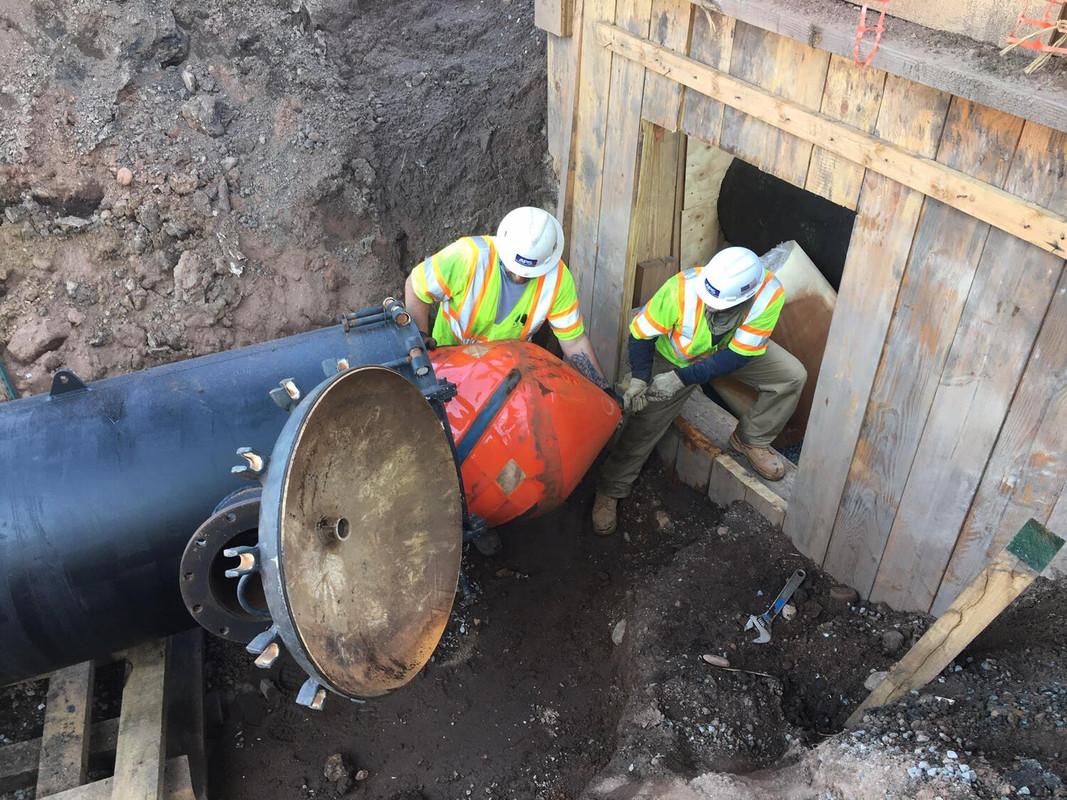
What Are the Three Common Pipeline Pigging Problems?
There are other pigging issues besides pigs getting stuck in a pipeline. Below, we will discuss this common problem and two others you need to be aware of if you’re considering using a pigging method.
1. Pigs Getting Stuck In a Pipeline
Although pigs getting stuck in a pipeline is rare in this modern day and age, it does happen often enough with certain pig types to be a common problem. If a pig has failed to reach its destination and complete its job, there is often a logical reason for it.
For example, some of the reasons for a pig getting stuck include faults with the pipeline, lack of propellant pressure, an obstruction like a closed valve in front of a pig, and leakage from a faulty pipe connection.
Additionally, a pig could also get stuck if worn or damaged, or the incorrect pig for the type of pipeline being serviced.
How Is This Pigging Problem Addressed?
To address a pigging problem like this, it’s best to consider preventative measures like choosing an experienced pigging company like American Pipeline Solutions for your pipeline pigging needs. An experienced and professional pigging company has the skills and knowledge to complete a pipeline pigging project.
In addition, the issue of pigs getting stuck in a pipeline can be avoided if routine maintenance is completed and if a worn or damaged pig is never used.
2. Pigs That Cannot Travel Both Directions or Navigate Sharp Bends
Many pigs cannot travel in both directions or navigate sharp bends. This is a problem for pipeline cleaning projects with sharp bends as effective product recovery rates cannot be achieved, meaning a pipeline cannot be cleaned properly.
One directional pigs are not efficient. This is because they can involve complex return loops that require operators to manually remove the pig and return it to its proper housing after completing a project. This is often incredibly time-consuming, but it also poses a significant risk to operator safety. One directional pigs are also not sanitary, which poses risks of its own.
Additionally, problems can occur when a pig is unable to navigate a bend. This is especially true when pipeline maintenance or repair needs to be done on complex piping at industrial sites that have bends. Pigs that are unable to navigate bends cannot achieve a good recovery rate, which makes the pigging solution less effective overall.
How Is This Pigging Problem Addressed?
Generally, this pigging problem can be addressed by utilizing pipeline pigging products and equipment that is suitable for bends and complex pipeline systems.
For example, Ice Pigging™ could be utilized instead of less effective traditional pigging methods. At American Pipeline Solutions, we have an array of pigging options available that are ideal for pipelines with bends while ensuring excellent recovery rates.
3. Pig Product Bypass Issues
Another common problem is product bypass problems that occur from utilizing pigs that feature assembled pieces like caps and fins. Often when pigs with caps, fins, or other assembled pieces are used, it is almost impossible to guarantee effective cleaning between these assembled pieces in a pipeline.
Assembled pieces like fins on pigs will allow a small amount of product to get past, and throughout the project, this could cause a build-up. When significant build-up occurs, it causes a significant problem because it can considerably hamper product recovery rates.
In addition, another issue with using pigs with fins or other assembled parts is that they are usually far more likely to have parts break or rip off. When this occurs, contamination issues could arise.
Moreover, pigs with assembled parts are often not as robust as other pigging types, which means they might need to be replaced more often, and this could drive up costs on maintenance or repair pipeline pigging projects.
Pipeline Experts: Inspection, Cleaning, Coating & More
Certified solutions for inspection, pre-commissioning, cleaning, internal coating, ice pigging™, mapping, and turnkey pipeline projects—maximizing safety and reliability at every stage.
How Is This Pigging Problem Addressed?
Generally, these issues can be addressed by ensuring the pigging on your pipelines is not completed with pigs with assembled parts like fins and caps. Instead, a pipeline pigging company should opt to use one-piece pigs with a full-contact design that are more versatile and robust.
Speak With a Professional from American Pipeline Solutions Today
Now you know the common pipeline pigging problems and how they can be addressed. If you want your pipeline maintained or repaired, you should consider pipeline pigging to prevent or counteract these issues. At American Pipeline Solutions, we can help you with your pipeline pigging needs. To speak to one of our pigging professionals, you can contact us here.
FAQs:
Why do pigs get stuck in pipelines?
Pigs can get stuck if the line has obstructions such as closed valves, dents, or buildup that restrict movement. It can also happen when the wrong pig type is used, or when the pig is worn, damaged, or improperly sized for the pipeline’s diameter and medium. Routine inspection, proper pig selection, and experienced operators help prevent these issues.
How can pipeline pigging companies prevent stuck pigs?
Prevention begins with thorough planning and system assessment. Experienced companies like American Pipeline Solutions evaluate diameter changes, product type, and operating pressure to select the right pig and propellant. Regular maintenance, cleaning sequences, and tracking systems further reduce the risk of a pig stalling mid-line.
What happens if a pig gets stuck in the line?
If a pig stops mid-line, operations may be paused for safety. Crews typically use tracking data to locate the pig and assess causes like low pressure, blockage, or equipment failure. In many cases, pressure adjustments, back-pushing, or specialized retrieval tools can safely remove it without damaging the pipeline.
Why can’t some pigs travel in both directions or through sharp bends?
Most conventional pigs are one-directional and rigid, which limits flexibility through tight turns or dual-direction runs. In contrast, methods like Ice Pigging™ allow safe cleaning through bends because the semi-solid ice slurry conforms to the pipe’s geometry, ensuring efficient cleaning even in complex piping systems.
What are product bypass issues in pigging?
Product bypass occurs when fluid slips past the pig instead of being displaced ahead of it. This typically happens with multi-piece pigs that use fins, cups, or caps, leaving small gaps between parts. Over time, these gaps reduce cleaning efficiency, create buildup, and lower recovery rates. One-piece, full-contact pigs are more effective in avoiding bypass.
Can pig parts or fins break off during cleaning?
Yes, pigs with multiple assembled parts can experience fin or cap separation, especially in high-pressure or abrasive environments. Detached pieces can contaminate the line or obstruct flow. APS minimizes this risk by using durable, one-piece pig designs suitable for the line’s product and operating conditions.
What’s the safest way to handle pipelines with sharp bends?
Pipelines with complex bends require flexible pigging methods or non-abrasive technologies such as Ice Pigging™, which can safely navigate curvature without getting stuck or causing wall damage. Proper pressure control and accurate tracking are also critical for safe execution.
How does APS ensure efficient pigging performance?
APS conducts pre-job evaluations, designs customized pigging sequences, and uses modern tracking and monitoring equipment to verify movement. Our technicians document every run, ensuring that pigs achieve full travel, optimal recovery rates, and compliance with maintenance and inspection standards.
What type of pigs does APS use for maintenance or cleaning?
APS deploys a variety of pig types—foam, mechanical, brush, magnetic, and Ice Pigging™ solutions—depending on pipeline conditions and objectives. Each type serves a specific role, from removing debris and liquids to conditioning lines before inspection or commissioning.
When should a pipeline be pigged?
Pipelines should be pigged during pre-commissioning, maintenance, or inspection preparation to remove debris, prevent corrosion, and maintain flow efficiency. Regular pigging schedules vary depending on the product, system design, and regulatory requirements. APS helps operators design safe, cost-effective pigging programs that align with their operational goals.

3 Most Common Issues in Force Main Sewer Lines
Proper maintenance of your sewer system is important. Learn about these common force main problems and how American Pipeline Solutions can help you address them.
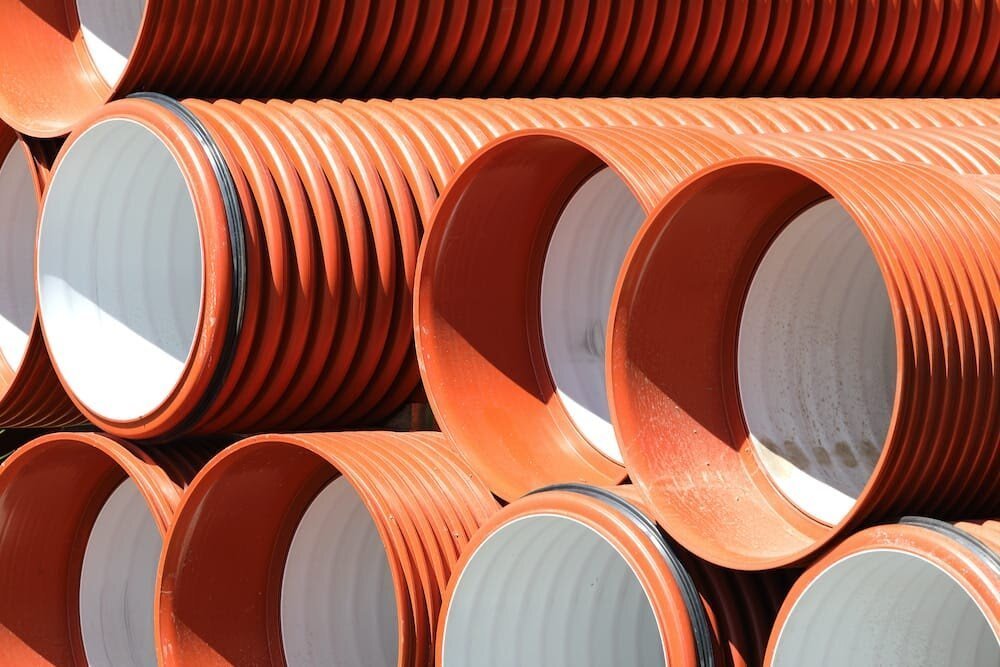
A functional sewer system plays an integral part in a city’s waste management processes. As a sewer system ages, its pipes begin to show signs of wear. Without proper maintenance, a pipe can become severely damaged to the point where it must be replaced.
The first step in your wastewater pipeline maintenance strategy is assessing the conditions of the sewer system. Typically, the processes differ depending on the type of sewer pipeline examined. In the end, these processes will determine what cleaning and maintenance method is most effective for your pipelines. One important area to cover in your maintenance is your sewer system’s force mains.
At American Pipeline Solutions, our goal is to help you understand the issues your pipeline faces and how to properly address it. This article outlines some common force main problems to help you identify these issues in your systems.
Pipeline Experts: Inspection, Cleaning, Coating & More
Certified solutions for inspection, pre-commissioning, cleaning, internal coating, ice pigging™, mapping, and turnkey pipeline projects—maximizing safety and reliability at every stage.
3 Common Force Main Problems
1. Buildup in the Pipeline
Even if you don’t see any telltale signs of pipeline blockage, buildup in your force main can still cause issues. An example of this is the accumulation of solid deposits along the bottom of your pipeline.
As wastewater flows through your pipes, heavier particles can accumulate in a solid deposit. Depending on the type of particles, this results in a flow regime with a sliding bed or a stationary bed. A sliding bed can cause abrasion of the pipe’s interior, which wears away at the pipe’s interior wall. Conversely, a stationary bed reduces the cross-sectional area available in the pipe. By and large, both types of solid deposits can cause long-term force main problems to occur if left unaddressed.
2. Corrosion of Pipeline’s Interior
Corrosion force main problems are unique due to the presence of hydrogen sulfide in the pipeline. Hydrogen sulfide is a naturally occurring gas in low-lying, enclosed spaces such as the sewer. Not only is this gas dangerous to inhale, but it can also cause damage to a sewer’s pipelines.
Internal corrosion caused by hydrogen sulfide occurs in two ways. The primary cause of internal corrosion is known as an acid attack. An acid attack occurs when hydrogen sulfide gas converts to sulphuric acid when the gas is in the presence of moisture. Another internal corrosion mechanism is hydrogen sulfide having a direct chemical reaction to the metal in a pipe’s interior, such as iron.
3. Loss of Structural Integrity in the Force Main
Damage caused by force main problems like buildup or corrosion can lead to the loss of a pipe’s structural integrity. For example, abrasion caused by buildup in a pipeline can grind away at a pipe’s interior surface. This weakens the pipeline and, thus, shortens the pipeline’s longevity.
Corrosion causes a more immediate concern due to the increased likelihood of a leak occurring. A localized acid attack in a pipe can result in a hole appearing in the pipe’s wall. This hole leads to leakage of the pipe’s sewage, which then causes environmental damage.
Pipeline Experts: Inspection, Cleaning, Coating & More
Certified solutions for inspection, pre-commissioning, cleaning, internal coating, ice pigging™, mapping, and turnkey pipeline projects—maximizing safety and reliability at every stage.
Protect and Prevent Damage to Your Force Mains
This is by no means an exhaustive list of every issue that might occur in your force mains. Nevertheless, these issues clearly show why routine force main maintenance is necessary.
One way to achieve this is by contacting experts like American Pipeline Solutions to perform force main inspections. Visual inspection of your pipeline by American Pipeline Solutions can quickly identify issues such as pipeline blockage.
All in all, American Pipeline Solutions combines quality inspection equipment with years of industry experience to identify and address a client’s needs.
Frequently Asked Questions
What is a force main sewer line?
A force main is a pressurized pipeline that moves wastewater from a lower to a higher elevation using pumps. Unlike gravity sewer lines, force mains require constant pressure to push flow through the system, which makes them more vulnerable to buildup, corrosion, and pressure-related wear over time.
What causes buildup inside a force main?
Buildup typically forms when heavier solids in wastewater settle along the pipe’s bottom and accumulate into a stationary or sliding bed. These deposits reduce flow efficiency and can cause abrasion that weakens the pipe wall. Regular cleaning and inspection prevent long-term damage and maintain hydraulic capacity.
Why is hydrogen sulfide dangerous to sewer pipelines?
Hydrogen sulfide (H₂S) gas is common in enclosed wastewater systems. When combined with moisture, it converts into sulfuric acid, which aggressively attacks pipe walls. It can also chemically react with metals such as iron, leading to corrosion and leaks. Controlled ventilation and routine monitoring reduce this risk.
How does corrosion affect a force main’s integrity?
Corrosion thins the pipe wall, creates pitting, and can eventually form holes that leak sewage into the environment. It not only shortens the system’s lifespan but can also trigger costly repairs or replacement. Early inspection and interior coatings can slow or stop corrosion before structural failure occurs.
What are the signs of structural failure in a force main?
Reduced pressure, recurring blockages, visible leakage, or ground subsidence above a line can all indicate a loss of structural integrity. These symptoms suggest internal abrasion or corrosion damage that needs immediate evaluation by a qualified inspection team such as American Pipeline Solutions.
How often should force mains be inspected or cleaned?
Most municipalities and facility operators inspect force mains annually or bi-annually, depending on flow rates and material type. Regular inspection allows early detection of buildup and corrosion, reducing the likelihood of leaks and extending the line’s operational life.
What maintenance methods protect force mains from damage?
Preventive programs often include routine cleaning, corrosion monitoring, interior coatings, and periodic pressure testing. Partnering with specialists like APS ensures the right procedures and equipment are applied safely and efficiently for each pipeline’s condition.
How does American Pipeline Solutions help maintain force mains?
APS performs visual and instrument-assisted force main inspections to detect corrosion, deposits, and structural issues early. Combining advanced cleaning and conditioning tools with decades of field experience, APS helps clients protect infrastructure, maintain compliance, and avoid costly emergency repairs.
Are you looking to improve your wastewater pipeline maintenance strategy?
Contact American Pipeline Solutions today to partner with a team that has 100 years of combined experience in the pipeline industry.

Force Main Inspections: How They Work & When to Do Them
A critical part of maintaining your sewer system inspecting your pipes. Learn about force main inspections, what to expect, and how often they should occur.

A functioning sewer system is essential for sanitation and public health. Force Main Inspections play a vital role in maintaining these pipelines, helping detect pipeline flow problems, blockages, and corrosion before they escalate into costly failures. Over time, sewer pipelines face challenges such as pipeline deterioration, blockages, and corrosion, making routine sewer system maintenance critical. By implementing proactive force main pipeline inspection programs, municipalities and property managers can extend the life of their pipelines and reduce environmental risks.
The first step in maintaining wastewater pipelines is to assess the condition of the sewer system. This examination varies depending on the sewer system pipelines. The primary purpose of these examinations is to determine the best pipeline cleaning and maintenance method for a sewer system.
In this article, we focus on a particular type of sewer system pipeline: the force main. Keep reading to learn what a force main sewer pipe is and what to expect from force main inspection.
Pipeline Experts: Inspection, Cleaning, Coating & More
Certified solutions for inspection, pre-commissioning, cleaning, internal coating, ice pigging™, mapping, and turnkey pipeline projects—maximizing safety and reliability at every stage.
Force Main Pipe Inspections: What to Know?
What is a Force Main Pipe?
A sewer system typically consists of pipes running from buildings to a central processing or treatment area. While most sewer lines rely on gravity to move wastewater, there are scenarios where wastewater must be transported from a lower elevation to a higher elevation. In such cases, a standard gravity pipeline is ineffective.
This is where a force main sewer pipe comes into play. A force main uses lift stations and pumps to move wastewater uphill, ensuring the system operates efficiently. Because these pipelines operate under pressure, they require specialized attention during maintenance and inspection, making force main inspections essential to the longevity and reliability of the sewer system.
Why Force Main Inspections Are Important?
Force Main Inspections are a critical component of sewer system maintenance. Over time, these pipelines can experience issues such as pipeline flow problems, internal corrosion, force main pipe blockages, or pipeline leakage. Without regular inspection, these issues may go unnoticed, potentially resulting in environmental contamination, public safety hazards, and expensive repairs.
A comprehensive sewer pipe inspection service ensures that any irregularities or potential failures are identified early. This proactive approach helps maintain pipeline integrity, improves performance, and ensures compliance with local and federal regulations.
Force Main Inspection Methods
Cities and utilities employ several pipeline inspection methods to evaluate the condition of force main sewer pipes. These methods include both visual inspections and advanced pipeline testing:
1. Visual Inspection Using CCTV
One common method is a sewer pipe camera inspection or CCTV inspection. During this process, a camera pig is sent through the pipeline to capture real-time footage of the pipe interior. This allows inspection teams to detect:
Force main pipe blockages
Cracks or signs of deterioration
Sediment buildup or obstructions
After reviewing the footage, teams can recommend pipeline cleaning or maintenance strategies to restore optimal flow.
2. Pipeline Integrity Testing
While CCTV provides visual data, it may not detect internal corrosion or subtle structural issues. This is where pipeline integrity testing becomes essential. At American Pipeline Solutions, specialized tools such as i2i smart devices can detect:
Metal loss
Circumferential cracking
Internal corrosion
Minor leaks or weaknesses
By combining visual inspections with pipeline integrity testing, utilities can implement a more comprehensive maintenance program for their force main sewer pipes.
3. Force Main CCTV Inspection for Condition Assessment
A targeted force main CCTV inspection is particularly valuable for pressurized pipelines. These inspections allow teams to:
Track pipeline leakage
Identify force main pipe blockages
Assess sewer pipe corrosion detection
Evaluate pipeline flow problems
This dual-approach ensures that no defect goes unnoticed and facilitates precise planning for maintenance and repairs.
Common Issues Found During Force Main Inspections
When conducting force main inspections, several recurring issues are often detected:
Pipeline flow problems such as reduced capacity or sluggish wastewater movement.
Force main pipe blockages, often caused by debris, mineral buildup, or root intrusion.
Sewer pipe corrosion, which can weaken walls and compromise structural integrity.
Pipeline leakage inspection findings, where leaks are identified before they escalate into catastrophic failures.
Detecting these issues early allows municipalities, property managers, and engineers to take preventive action. By resolving minor problems promptly, you can extend the pipeline’s lifespan, avoid costly emergency repairs, and protect surrounding environments from contamination.
How Often Should Force Main Sewer Pipes Be Inspected?
One of the most common questions we hear is: “How often should I conduct a sewer force main inspection?”
Newer pipelines: At least once every five years.
Older pipelines: Inspection frequency varies depending on pipeline age, usage levels, and existing condition reports.
Routine wastewater pipeline inspections are critical for preventive maintenance. A well-timed inspection schedule ensures uninterrupted service, reduces the likelihood of sudden blockages, and helps utilities manage costs more effectively.
Maintain Your Sewer System Pipelines With Routine Inspections
A common question from municipalities and property managers is: “How often should I perform force main inspections?”
The frequency depends on factors such as pipe age, material, and historical performance. General recommendations include:
Newer force main pipelines: every 5 years
Older force main pipelines: case-by-case assessment, often more frequent
Regular inspections are key to mitigating pipeline deterioration and preventing sudden pipeline flow problems or catastrophic failures.
Benefits of Routine Force Main Inspections
Investing in force main inspections provides several long-term benefits:
Prevent costly failures: Early detection of leaks or corrosion reduces repair costs.
Maintain optimal pipeline flow: Ensures pipeline flow problems do not disrupt wastewater transportation.
Extend pipeline lifespan: Proactive inspection reduces wear and tear.
Improve environmental compliance: Prevents spills and contamination.
Streamline maintenance planning: Provides actionable data for sewer pipe inspection services.
Partnering With Pipeline Inspection Experts
Implementing a successful force main pipeline inspection program requires experienced professionals and state-of-the-art equipment. At American Pipeline Solutions, our team combines decades of expertise with advanced tools to provide:
Sewer pipe inspections using CCTV and smart pigs
Pipeline integrity testing for pressurized force mains
Comprehensive wastewater pipeline inspection reports
Recommendations for maintenance and preventive measures
By collaborating with experienced sewer pipeline inspection companies, cities and property managers can ensure their force main systems operate efficiently, safely, and with minimal risk of failure.
Pipeline Experts: Inspection, Cleaning, Coating & More
Certified solutions for inspection, pre-commissioning, cleaning, internal coating, ice pigging™, mapping, and turnkey pipeline projects—maximizing safety and reliability at every stage.
Contact American Pipeline Solutions
Are you looking for expert force main inspections or comprehensive pipeline inspection services? Contact American Pipeline Solutions today to schedule a consultation and protect your wastewater infrastructure from costly damage and environmental risks.
What is a force main inspection?
A force main inspection is a specialized evaluation of pressurized sewer pipelines that move wastewater uphill using pumps. Unlike gravity systems, force mains operate under constant pressure and are prone to corrosion, leaks, and blockages. Inspections use tools such as CCTV cameras or smart devices to detect early signs of deterioration and ensure safe, continuous operation.
Why are force main inspections important?
Force main inspections prevent unexpected pipeline failures by identifying flow restrictions, corrosion, and leaks before they cause costly damage. Early detection helps utilities and property managers plan maintenance efficiently, maintain regulatory compliance, and protect surrounding environments from contamination and overflow events.
How often should main sewer pipes be inspected?
Newer force mains should be inspected at least once every five years, while older or high-use systems may require more frequent assessments. Inspection frequency depends on pipe material, age, usage patterns, and previous condition reports. A consistent inspection schedule helps reduce emergency repairs and maintain long-term system reliability.
What inspection methods are used for force mains?
APS employs several force main inspection methods, including CCTV camera inspections for visual data and pipeline integrity testing using smart devices. These tools detect corrosion, cracks, and internal weaknesses that visual inspection alone may miss. Combining both methods ensures comprehensive assessment and accurate maintenance planning.
What issues are commonly found during force main inspections?
Typical findings include reduced flow, debris buildup, internal corrosion, root intrusion, and minor leaks. These problems can lead to performance loss or environmental hazards if left unaddressed. Routine inspections allow APS to detect and correct these issues early, extending pipeline lifespan and preventing major system disruptions.
What’s the difference between a gravity sewer and a force main?
A gravity sewer relies on natural slope to move wastewater, while a force main uses pumps and pressure to lift wastewater to higher elevations. Because of this pressurized environment, force mains require specialized inspection and maintenance techniques to monitor internal conditions and ensure structural integrity.
How does CCTV help during a force main inspection?
CCTV (closed-circuit television) inspection involves inserting a camera-equipped device into the pipeline to capture real-time footage of its interior. The video helps identify cracks, corrosion, and blockages. At APS, this footage is reviewed by trained technicians who provide detailed reports and maintenance recommendations.
What are the benefits of routine force main inspections?
Regular inspections help prevent catastrophic failures, maintain consistent flow, extend pipeline service life, and ensure compliance with environmental regulations. They also provide data that supports proactive maintenance scheduling, reducing downtime and emergency response costs for municipalities and industrial clients.
Can force main inspections be performed without interrupting service?
Yes. Many inspection tools, including smart pigs and inline sensors, can operate while the pipeline remains in service. APS evaluates system pressure, flow conditions, and safety requirements before selecting the most efficient, non-disruptive inspection method for each project.
Who should perform a force main inspection?
Force main inspections should be performed by qualified pipeline service providers with experience in pressurized sewer systems. APS technicians are trained in CCTV operation, smart device testing, and pipeline integrity evaluation, ensuring accurate results and actionable recommendations for utilities and property managers.
Are you looking for an expert to help you inspect the integrity of your force main pipes?
Contact American Pipeline Solutions by calling (201) 525-0088 or online to find the best pipeline solution.

How Zebra & Quagga Mussel Removal Works with Pigging
Properly maintaining a city’s water intakes is vital. Learn more about quagga & zebra mussel removal and find an appropriate project solution.
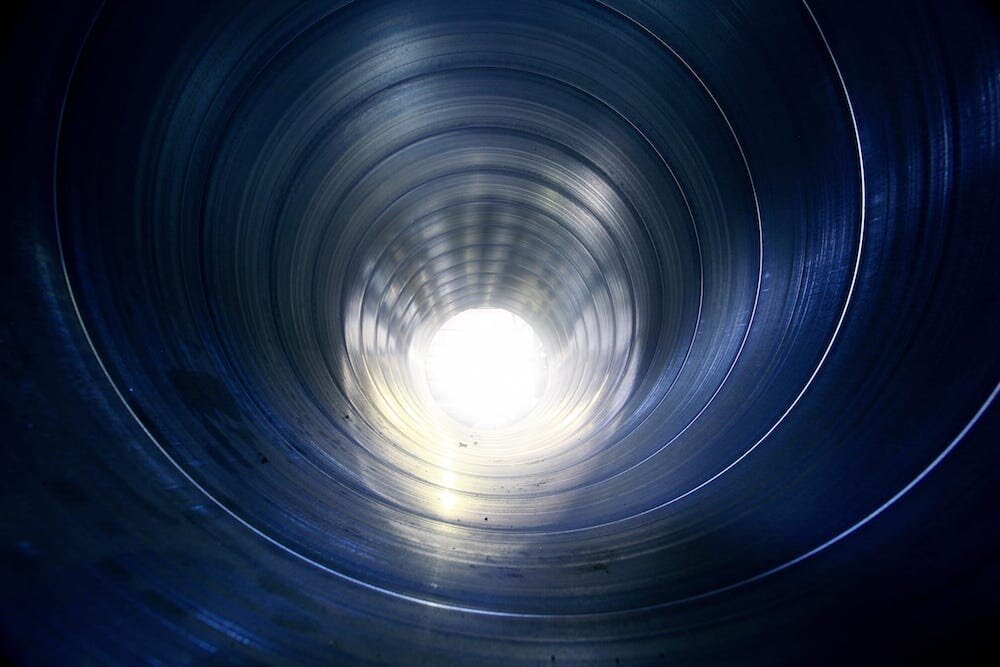
Ensuring that a city’s water pipelines operate at top system performance levels is critical. Without the proper cleaning method, a pipeline’s performance can decrease.
A unique factor that some cities and towns face is the presence of invasive species, such as the quagga and zebra mussels. While native parts of Eastern Europe such as Ukraine, these aquatic hitchhikers made their way into Toronto’s Great Lakes.
The damage that these invasive species cause is without question. Tom Nalepa, an emeritus research biologist and recognized expert on the species, stated that “the quagga mussel represents the greatest threat to the Great Lakes of any invasive species.”
Past quagga and zebra mussel removal methods have used various chemicals, such as chlorine. However, these methods have failed to present effective solutions to control increasing biofouling growth.
An interesting alternative to dealing with the presence of these two mollusk species is hydraulic pigging.
This article illustrates how pigging works to remove quagga and zebra mussels. Below, examine a project completed by American Pipeline Solutions in Toronto to address quagga mussel build-up.
Pipeline Experts: Inspection, Cleaning, Coating & More
Certified solutions for inspection, pre-commissioning, cleaning, internal coating, ice pigging™, mapping, and turnkey pipeline projects—maximizing safety and reliability at every stage.
Quagga & Zebra Mussel Removal: City of Toronto, 2018
The Issue Caused by Quagga & Zebra Mussels in Toronto’s Water Intakes
In the fall of 2018, Toronto found that the hydraulic capacity of its three water intakes at the Island Water Treatment Plant had reduced after 14 years of use.
Quagga mussel build-up inside the deep-water pipelines caused the reduced hydraulic capacity. Quagga mussels adhere to submerged surfaces, such as pipes, and subsist on plankton in the nearby water.
The accumulation of quagga mussels within Toronto’s intakes is known as biofouling or aquatic fouling. When an organism like the quagga mussel accumulates within water intakes, it can lead to structural or functional defects.
This organism also has a major impact on the surrounding ecosystem.
In addition, quagga mussels and their cousin, the zebra mussel, propagate quickly. Quagga mussels displace existing native species and alter the food chain, resulting in less game and commercial fish.
American Pipeline Solutions’ Scope of Work
American Pipeline Solutions was contacted because the team had successfully pigged Cornell University’s 60-inch HDPE deep water intake in Lake Cayuga.
After examining the Cornell project results, the City of Toronto engineers assessed the criteria, specifications, and required budget for hydraulic pigging to restore flow capacity at the Toronto Island WTP.
In preparation for the project, American Pipeline Solutions partnered with Galcon Marine Ltd., a local contractor with local offshore expertise. Galcon provided support with island transport, barge delivery, ROV (remote operated vehicle) operation, and other marine operations.
Project preparation also included the specification of the scope-of-work, which was defined as the following:
Design and manufacturing of a pig launcher and structural supports that would fit the intake valve chamber and piping system at the WTP.
Provide documentation of the process and design for hydraulic pigging procedures. These procedures were created for quagga and zebra mussel removal in all three WTP intakes.
Obtain any necessary regulatory permits and approvals for work.
Perform an inspection via ROV (remote operated vehicle) for all three water intakes before pigging.
Pigging for quagga and zebra mussel removal in water intake pipes.
Retrieval/salvage of all used pigs.
During the project, American Pipeline Solutions was responsible for the overall hydraulic layout, the launcher's design, and the hardware designation. Additionally, American Pipeline Solutions handled pig design, the sequence of pigs used, tracking the pigs, and pig recovery procedures.
Hydraulic Pigging Procedures Used in Quagga & Zebra Mussel Removal Method
1. Determine Proper Pig Sequence
Before the pigging process, American Pipeline Solutions assessed the pipe to determine the pig sequence.
This sequence matters for most pigging procedures because the process must be completed as quickly as possible. Additionally, these procedures must be performed conservatively to avoid any pressure surges or a delay caused by a “stuck pig.”
2. Load and Launch the First Pig
While most pigs used for cleaning are larger than the internal diameter of a pipe, the first pig used in Toronto was not. The Toronto WTP pipelines had internal diameters measuring around 61 inches. The first pig that was used was only 58 inches in diameter.
A smaller-sized pig was used first to create enough bypass flow to start the initial cleaning process. However, the pig needed to be small enough, so it wouldn’t adhere to the pipe wall or have its movement restricted.
3. Monitor Pig Movement & Mussel Debris Build-up
After a quagga and zebra removal project begins, it is important to monitor the building debris. As the pig moves through the pipeline, the mussel debris can accumulate ahead of the pig, slowing or stopping the pig.
The volume of the displaced quagga mussels was monitored as the pig moved through the pipe. This was done in real-time, using submerged cameras aboard an ROV at the intake’s mouth.
When using foam pigs, such as those used in Toronto, this debris can be controlled, depending on the pig design. Foam pigs can be designed to channel some of the water, propelling the pig towards the pig's front. When this happens, displaced mussels are suspended in the moving water flow ahead of the pig. This prevents the pig from slowing or stopping because of mussel debris.
4. Launch Second and Third Pigs
Thanks to the real-time documentation of the mussel debris and the pipe’s pressure profile, American Pipeline Solutions was able to determine the next pig’s characteristics.
Typically, the foam density and diameter of a pig will increase with each subsequent run. The last pig that is run tends to be larger than the internal diameter of the pipe itself.
For the City of Toronto project, the last pig was a full-size pig with embedded plastic bristles. These bristles thoroughly cleaned the pipe walls of quagga mussels.
5. Assess the Cleaning Project’s Results
Once all three pigs were run through the water intakes, the Hazen-Williams C-Factor for all three pipes was measured. This factor determined the smoothness of the interior walls of the pipes after cleaning. In addition, the results would determine if a fourth pig run was necessary.
The C-Factor results improved, and after the initial three pig runs, the water intake’s hydraulic condition was better than when the pipes were installed.
Pipeline Experts: Inspection, Cleaning, Coating & More
Certified solutions for inspection, pre-commissioning, cleaning, internal coating, ice pigging™, mapping, and turnkey pipeline projects—maximizing safety and reliability at every stage.
A perfect C-Factor is 150+. When built in 2004, the C-Factor for these pipes was estimated to be 137 to 140. Prior to cleaning, the pipes measured a C-Factor of approximately 110. After pigging was completed, all three intakes had C-Factors ranging from 149 to 152.
In the end, these results proved that the project’s pigging process was a complete success.
The process was able to clear the quagga mussels from the pipes and any additional debris. The project’s success shows that hydraulic pigging as a quagga and zebra mussel removal method is reliable.
FAQs:
What are quagga and zebra mussels and why are they a problem in pipelines?
Quagga and zebra mussels are invasive freshwater mussels that attach to submerged surfaces and rapidly multiply. Inside water intakes and deep-water pipelines, they create heavy biofouling, restrict hydraulic capacity, increase energy costs, and can damage infrastructure. They also disrupt local ecosystems by outcompeting native species and altering the food chain.
How does pigging remove quagga and zebra mussels from water intakes?
Pigging uses specially designed foam or mechanical pigs that are propelled through a pipeline by water or another driving medium. As the pig travels, it scrapes, dislodges, and carries mussel colonies and debris out of the line. In the Toronto project, a sequence of pigs with increasing density and cleaning power restored the internal smoothness and hydraulic capacity of the intakes.
Why was hydraulic pigging chosen over chemical treatments like chlorine?
Chemical treatments such as chlorine have been used for mussel control, but they often struggle to keep up with rapid biofouling growth and can raise environmental and regulatory concerns. Hydraulic pigging offers a targeted, mechanical solution that physically removes mussels and debris from the pipe walls without relying on long-term chemical dosing.
What is a pig sequence and why does it matter for mussel removal?
A pig sequence is the planned order and design of pigs run through a pipeline during cleaning. For quagga and zebra mussel removal, APS starts with smaller or softer pigs to establish flow and manage debris, then follows with larger or stiffer pigs to thoroughly clean pipe walls. A well-designed sequence limits pressure surges, avoids stuck pigs, and delivers a predictable cleaning result.
How did APS monitor mussel debris and pig movement during the Toronto project?
APS used submerged cameras on an ROV (remote operated vehicle) at the intake mouths to watch pig progress and monitor displaced mussel volume in real time. This live feedback, combined with pressure profiles, allowed the team to adjust pig design and sequencing on the fly, ensuring safe passage and effective debris removal throughout the cleaning program.
What role do foam pigs play in quagga and zebra mussel removal?
Foam pigs are flexible, lightweight tools that can be sized just under the pipe’s internal diameter to allow controlled bypass flow. In the Toronto case, foam pigs were designed to channel water toward the front face, suspending dislodged mussels in the flow so debris moved ahead of the pig instead of blocking it. This helped prevent slowing, plugging, or pig stalls.
How was the success of the mussel removal project measured?
APS evaluated the cleaning results using the Hazen–Williams C-Factor, which measures the smoothness of the pipe’s internal surface. Before cleaning, the intakes had C-Factors near 110. After three pig runs, all three lines achieved C-Factors between 149 and 152—better than their estimated condition when installed in 2004—confirming that hydraulic capacity and internal smoothness were fully restored.
Can hydraulic pigging for mussel removal be adapted to other water systems?
Yes. While this case study focused on Toronto’s Island Water Treatment Plant, hydraulic pigging can be tailored to other raw water intakes, deep-lake lines, and large-diameter conveyance systems affected by biofouling. APS scopes each project individually, considering pipe diameter, material, access, and regulatory requirements before designing pig launchers, sequences, and tracking procedures.
What does APS provide as part of a mussel removal pigging program?
For quagga and zebra mussel projects, APS handles hydraulic layout, pig launcher design, pig engineering, sequencing, tracking, and recovery procedures. The team also supports permitting, ROV inspections, and full process documentation. This combination of engineering, field execution, and reporting gives utilities confidence that their lines are clean, safe, and operating near design capacity.
Are you looking for a way to solve your quagga and zebra mussel removal problem?
Contact American Pipeline Solutions at (201) 525-0088 to receive a comprehensive pigging solution that is crafted around your project’s unique needs.

2 Most Common Issues in Water Mains Pipes
Finding the right solution for your water mains pipes is crucial. We take a look at past water mains pipes projects to show you common issues and the solutions that the APS team used.

Water distribution systems are the backbone of cities and towns. Without proper maintenance of the system and its components, pipeline issues can build up over long term use, a city’s residents would be left without water.
Pipe maintenance addresses current pipe issues as well as takes preventative measures against potential issues.
At American Pipeline Solutions, it is our goal to help you maintain your water mains. Below, we’ve taken a closer look at three water mains projects to show you common pipe issues and their solutions.
Pipeline Experts: Inspection, Cleaning, Coating & More
Certified solutions for inspection, pre-commissioning, cleaning, internal coating, ice pigging™, mapping, and turnkey pipeline projects—maximizing safety and reliability at every stage.
2 Most Common Issues in Water Main Pipes
Introduction
Water distribution systems are the backbone of cities and towns. Without consistent maintenance of the pipelines and their components, small issues can develop into serious problems over time—leaving entire communities without reliable water access.
Routine pipe maintenance not only resolves existing problems but also prevents future failures that could lead to costly disruptions. At American Pipeline Solutions (APS), our mission is to help municipalities and utility providers maintain the health and performance of their water mains through precise inspection, cleaning, and rehabilitation services.
Below, we take a closer look at two of the most common issues found in water main pipes and how our team has successfully solved them in the field.
2 Main Issues in Water Main Pipes
Even though each distribution system has unique challenges, two issues appear more frequently than any others: internal clogging that restricts flow and discoloration caused by sediment or corrosion. Understanding how these problems develop—and how to correct them—helps utilities prevent major disruptions and avoid costly pipe replacement.
Issue 1: Clogged or Restricted Pipelines
Can your pipelines be restricted even if there are no visible signs of water shortage? The answer is yes.
Pipeline blockages often develop slowly over decades, caused by the gradual buildup of corrosion and mineral deposits along the interior walls. Because this process happens gradually, many systems continue to operate with reduced efficiency for years before any noticeable symptoms—such as discoloration or pressure drop—appear.
One project completed by American Pipeline Solutions in Montgomery County, Maryland, illustrates this well. The county’s water supply lines, composed primarily of cast iron, had become severely clogged after more than 60 years of service. The pipes were heavily tuberculated—a condition where hard, rust-like deposits accumulate along the interior surface.
Tuberculation not only reduces internal diameter but also compromises the structural integrity of the pipe. As buildup increases, flow is restricted, pressure requirements rise, and energy costs for pumping water climb significantly. In Montgomery County’s system, the buildup was so severe that flow rates had dropped from the standard 800 gallons per minute to just 130 gallons per minute in some sections.
To address this, the APS team implemented a dual-stage cleaning process combining high-pressure jetting at 8,000 PSI with foam pigging. This method effectively removed deposits and restored normal flow coefficients. Importantly, it also saved the county from having to undertake a costly and disruptive full pipe replacement.
Pipeline Experts: Inspection, Cleaning, Coating & More
Certified solutions for inspection, pre-commissioning, cleaning, internal coating, ice pigging™, mapping, and turnkey pipeline projects—maximizing safety and reliability at every stage.
Issue 2: Dirty or Discolored Water
If a water main begins to deliver dirty or discolored water, it is often an indication of sediment buildup, corrosion, or intrusion within the system. While temporary discoloration can occur after new construction or repairs—such as when a building is connected to the network—persistent dirty water signals a deeper problem.
Over time, sediment, rust, and biological growth accumulate on the pipe walls. As flow conditions change or the system experiences fluctuations in pressure, this debris can loosen and enter the distribution stream, resulting in cloudy or reddish water.
The American Pipeline Solutions team encountered such a problem in South Carolina, where sediment accumulation had led to significant discoloration. Using a traditional foam pig, we were able to safely and effectively clean the pipeline interior. The results were immediate—improved clarity, consistent flow, and restored water quality.
In many cases, a simple pigging operation can remove years of buildup, returning the line to near-original condition and reducing the need for chemical flushing or replacement.
Other Common Water Main Issues You Should Know
While restricted flow and dirty water are the two issues most frequently encountered in municipal systems, there are several other conditions that can threaten the integrity of water mains if left unaddressed.
Low or Inconsistent Pressure can indicate narrowing due to corrosion, valve obstructions, or leaks in the supply line. A sudden drop in pressure across multiple service areas may suggest a break or severe blockage that requires immediate attention.
Leaks and Pipe Breaks are another common concern, often caused by joint fatigue, external damage, or soil movement. Even small leaks can erode surrounding material, leading to sinkholes or infrastructure damage if not quickly repaired.
Corrosion and Erosion affect older metallic pipes, particularly cast iron and steel. Over time, chemical reactions between the pipe surface and water chemistry create scaling or pitting that weakens the structure.
Root Intrusion and External Infiltration occur when nearby tree roots or shifting soil find their way into joints or cracks, reducing flow and potentially introducing contaminants.
Hydraulic Surges and Water Hammer are pressure spikes that occur when valves close too quickly or pumps shut down suddenly. These rapid pressure changes stress older mains and can accelerate fatigue or cause ruptures.
Recognizing these issues early is essential. APS helps utilities monitor and manage these risks using pipeline inspection, mapping, and cleaning technologies designed to identify early signs of deterioration before they escalate.
How APS Tackles Water Main Challenges
At American Pipeline Solutions, we take a comprehensive approach to maintaining and rehabilitating water mains. Our team combines inspection and condition analysis with advanced pigging and cleaning methods to ensure pipelines operate at maximum efficiency.
Techniques like Ice Pigging™, high-pressure jetting, and conventional foam pigging allow us to remove deposits and biofilms without the need for costly excavation. We also offer internal pipe coating services, which extend the life of existing infrastructure by applying protective epoxy linings that resist corrosion and restore hydraulic performance.
From detailed inspections and mapping to turnkey pipeline rehabilitation, APS provides a single-source solution for maintaining clean, efficient, and reliable water systems.
When Replacement Becomes Necessary
While cleaning and rehabilitation can restore most pipelines, there are cases where replacement becomes the most practical long-term solution. Severe corrosion, structural cracking, or repeated leaks can indicate that the pipeline’s service life is nearing its end.
APS assists clients in making informed decisions by providing data-driven assessments that compare the cost and longevity benefits of rehabilitation versus full replacement. This ensures that every project delivers both technical reliability and financial efficiency.
Conclusion
Water mains face a variety of challenges, from internal corrosion to sediment buildup and pressure fluctuations. Among them, restricted pipelines and dirty water remain the most common—and the most easily preventable—with the right maintenance strategy.
At American Pipeline Solutions, we specialize in identifying, cleaning, and restoring aging water systems. Through cutting-edge pigging technologies, condition analysis, and preventive maintenance, we help cities and utilities extend the life of their infrastructure and ensure safe, efficient water delivery.
Contact APS today to learn more about our water main inspection and cleaning services, and see how our solutions can restore performance while saving on costly replacements.
FAQs:
What are the most common issues found in water main pipes?
The two most frequent water main problems are restricted flow caused by internal clogging and dirty or discolored water from sediment or corrosion. Both conditions develop gradually but can lead to major service interruptions if not addressed through routine inspection and cleaning.
What causes clogged or restricted pipelines?
Clogging in water mains is typically caused by tuberculation—hard, rust-like buildup that forms as metallic pipes corrode internally. Over time, this reduces the pipe’s internal diameter, raises pumping pressure requirements, and increases energy costs until normal flow is severely limited.
How does American Pipeline Solutions clean blocked water mains?
APS restores flow using dual-stage cleaning methods such as high-pressure water jetting and foam pigging. These processes safely remove corrosion, scale, and mineral deposits without excavation, restoring hydraulic performance and extending pipeline life.
Why does dirty or discolored water occur in water mains?
Discolored water often signals sediment, rust, or biological buildup inside the pipes. Pressure fluctuations or system disturbances can release these materials into the flow. Persistent discoloration means a deeper issue that requires professional cleaning or inspection.
What solutions does APS use to fix water discoloration problems?
APS uses foam pigging and Ice Pigging™ to remove internal deposits that cause cloudy or rusty water. These methods are non-abrasive, environmentally safe, and provide immediate improvement in water clarity and system performance.
Can regular maintenance prevent most water main problems?
Yes. Routine inspection and cleaning reduce corrosion, control sediment buildup, and prevent pressure loss. APS maintenance programs help municipalities detect early deterioration before it escalates into leaks or costly replacements.
When is pipeline replacement better than cleaning or coating?
Replacement is recommended when a pipe shows severe corrosion, cracking, or recurring leaks that compromise structural integrity. APS provides data-driven evaluations comparing the cost and longevity of rehabilitation versus full replacement so utilities can make informed decisions.
What other water main issues should utilities monitor?
Besides clogging and discoloration, utilities should watch for low pressure, leaks, corrosion, root intrusion, and water hammer. Early detection through APS’s inspection and mapping services helps mitigate these risks and protect surrounding infrastructure.
How does internal pipe coating extend water main life?
APS applies protective epoxy linings inside cleaned pipes to seal surfaces against future corrosion and scaling. This process restores hydraulic efficiency and can significantly extend the useful life of existing assets without excavation.
How can APS help cities maintain reliable water systems?
APS delivers end-to-end solutions—inspection, cleaning, coating, and condition analysis—to keep municipal and utility pipelines safe, efficient, and compliant. Our approach minimizes downtime while maximizing performance and long-term infrastructure health.

How to Choose an Industrial Pipeline Cleaning Method
Are you looking for the right method to maintain your pipelines? Learn more about pipeline cleaning methods to find the best solution for your needs.
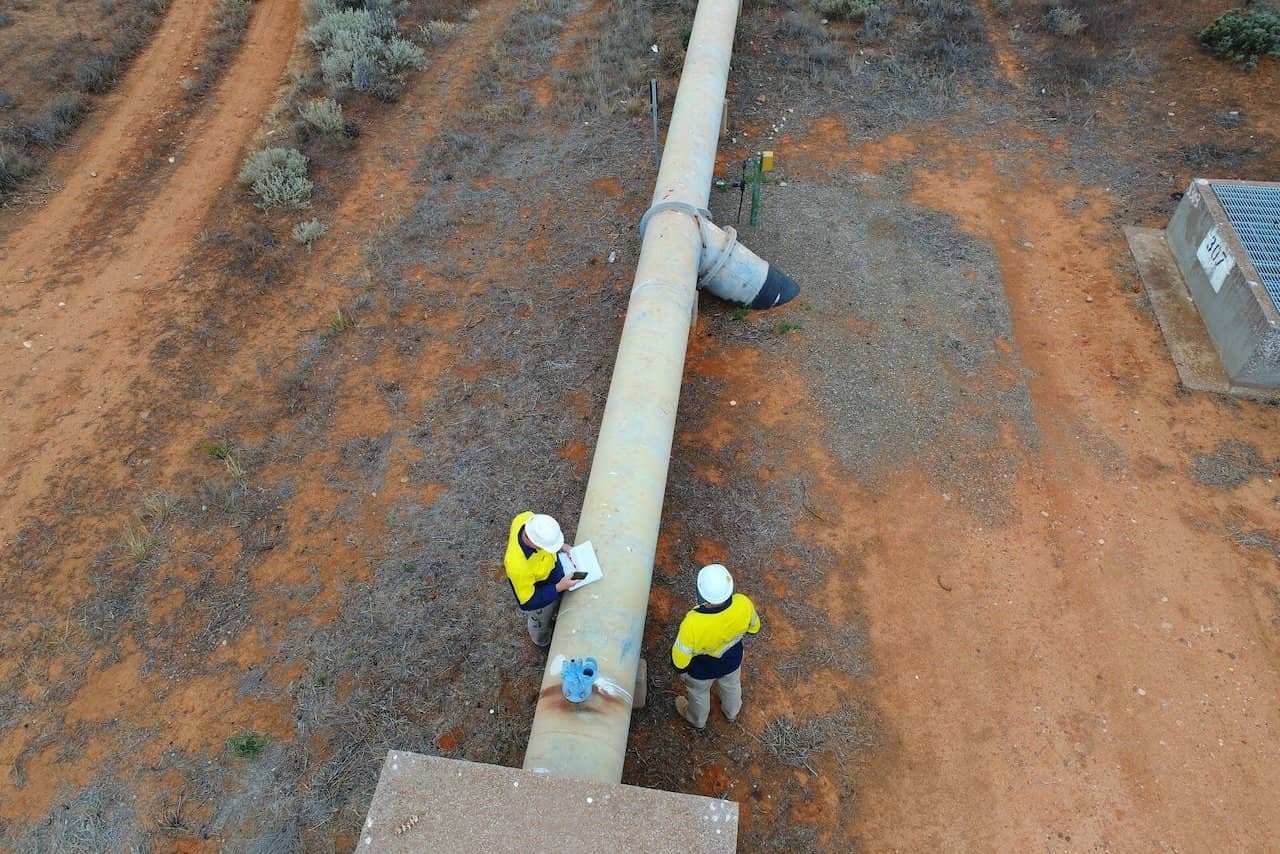
When a city is tasked with the maintenance of its water pipelines, ensuring top system performance is crucial. Naturally, there are various factors that can impact the performance of municipal water pipelines throughout their use.
Factors, such as the cleanliness of the pipeline, can result in changes in the overall system performance of water and force mains. In other words, you might experience low flow or changes in water quality when your pipelines begin to build up debris.
When dealing with issues such as these, you want to find the right pipeline cleaning methods that are effective and reasonably priced. In this case, you want to learn if pigging, for example, is the right solution that fits your needs and your budget.
By and large, knowing how to choose a cleaning method can seem daunting due to the many solution options available.
To help you get started, we’ve put together key information on how to choose an industrial pipe cleaning method that’s right for you.
Pipeline Experts: Inspection, Cleaning, Coating & More
Certified solutions for inspection, pre-commissioning, cleaning, internal coating, ice pigging™, mapping, and turnkey pipeline projects—maximizing safety and reliability at every stage.
What Is Industrial Pipeline Cleaning?
Industrial pipeline cleaning is the controlled removal of deposits, liquids, debris, and contamination from inside a pipeline. Cleaning may be completed during routine maintenance, before inspection, during pre-commissioning, or before a line is coated or returned to service.
A well-planned cleaning project can help restore flow, reduce pumping demand, protect product quality, and improve operational performance.
Pipeline cleaning should not be confused with pipeline inspection. Cleaning changes the internal condition of the line, while inspection collects data about corrosion, wall loss, cracks, geometry, and other integrity concerns.
How Do You Know When a Pipeline Needs Cleaning?
It might not always be obvious when your pipelines are due for cleaning, but the signs tend to build up over time. One of the earliest indicators is reduced flow or water pressure, which often points to accumulating debris inside the system.
You may also notice unusual odors or a change in water taste—both signs that organic material or biofilm could be present. Visible sediment or blockages, especially near outlets or access points, are another red flag. If you observe corrosion or wear on the pipes, it's a clear indication that the internal condition of your pipeline is deteriorating.
Additionally, system alerts or increased strain on pumps should not be ignored, as they often reflect underlying performance issues. Altogether, these signs suggest your system’s efficiency is compromised and that pipeline cleaning is the next necessary step.
Common Deposits Found In Industrial Pipelines
The material inside the pipe should be identified before a cleaning method is selected. Different deposits respond to different levels of pressure, mechanical contact, temperature, and chemical treatment.
Industrial pipelines may contain:
Wax and paraffin
Grease, sludge, and organic residue
Mineral scale and rust
Biofilm and microbial growth
Sediment, sand, and silt
Construction debris and weld slag
Process chemicals and product residue
Standing water or hydrotest water
A pipeline containing several types of buildup may need a staged cleaning process rather than a single cleaning run.
How to Choose a Pipeline Cleaning Method
Identify Your Problem
It may seem simple, but your first step needs to be identifying your problem. This doesn’t necessarily mean you need all the finer details of your problem at this point.
Let’s use one of our previous scenarios of a pipe that has low flow as an example. Originally, the flow of your pipeline was at a certain level. Now, the flow is much lower than normal.
In this scenario, the issue of low flow is likely being caused by something obstructing the flow in your pipelines.
Now that you know your pipelines are dirty, which is likely causing your low flow, you want to get that flow back up.
Analyze Different Pigging & Pipeline Cleaning Methodologies
As we shared before, there are a plethora of different pipeline cleaning methods. While there is only one way to pig, there are other cleaning methods that aren’t pigging but use the term.
Each method for industrial pipe cleaning has different pros and cons to consider.
However, to illustrate how to choose a cleaning method, we will cover the three main approaches you’ll likely see.
1. Flushing
This methodology is one of the more basic ways of cleaning your pipelines. In fact, this is a method you can do on your own.
As the name suggests, flushing your pipes is when you turn your water pumps up, pumping out the maximum amount of water.
This method is used to knock loose general debris that might be in a pipe.
While this method can help with less difficult debris, it can’t tackle solidified dirt and debris, which can be the case.
So, if you’ve tried flushing out your pipes and it didn’t solve your issue, you’re next option is likely pigging.
2. Ice Pigging™
This type of cleaning is a newer form of technology that has become more common.
Instead of the typical solid foam pig, this pigging method uses an ice slurry. As this slurry goes through your pipes, it tackles lighter debris.
Ice Pigging™ is appropriate for cleaning out debris, like built-up biofilm, that doesn’t need a tougher cleaning method.
While Ice Pigging™ is faster than traditional pigging, it is not the ideal solution for most major issues in your pipeline. Thus, if you use Ice Pigging™, you’ll likely end up using it more often, which will cost you more in the long run.
3. Traditional Pigging and Swabbing
The traditional pigging and swabbing method, unlike the previously described pipeline cleaning methods, uses a solid foam pig.
By and large, traditional pigging is the most comprehensive methodology when it comes to tackling tough pipeline debris.
Why?
First, your pipelines are swabbed. Swabbing is an important initial step in pigging because it helps determine the degree of debris in the pipeline.
The initial swabbing pig is a soft, sponge-like foam pig that is extremely malleable. This malleability is beneficial for the pig as it makes its way through your pipes. Not only can the pig bend as needed through your pipes, but it also helps prevent the pig from becoming lodged.
As this initial pig encounters the debris in your pipe, it’ll either bend around the debris or break apart in more difficult cases.
When the initial pig comes out of the pipeline, it is known as a “prover pig.” Essentially, this prover pig lets your pigging experts know how tough the debris in the pipeline is.
Next, the pigs that go into your pipeline slowly progress towards denser foam pigs. As the pig gets denser, it is better able to tackle debris that has solidified or adhered to your pipeline.
This process is continued until your pipelines are free from debris.
4. Hydro-Jetting
Hydro-jetting uses high-pressure water jets to blast away buildup inside the pipeline. It’s highly effective when paired with specialized nozzles or rotating heads that can target debris more precisely.
This method is best used for grease, mineral scaling, and other tough internal deposits. It’s often applied to short or medium-length pipeline sections and is suitable for pipes that can handle high water pressure. However, hydro-jetting is not recommended for older or more fragile pipelines, as the intensity of the pressure could cause damage if not carefully controlled.
5. Chemical Cleaning
Chemical cleaning involves injecting specialized solutions—typically acids or alkaline agents—into pipelines to dissolve and remove buildup. Agents like phosphoric acid are used for rust removal, while caustic soda may be employed for organic deposits.
This method is often chosen when dealing with rust, internal scaling, or heavily compromised pipelines that require a deep clean. However, chemical cleaning requires strict environmental compliance and expert handling to prevent harm to the pipeline and the surrounding environment. It also tends to be more time-consuming and costly than other approaches.
6. Steam Blowing
Steam blowing is a process where high-pressure steam is forced through the pipeline to clean and sterilize its interior. This technique is generally reserved for high-temperature industrial applications.
It’s commonly used in oil and gas systems, heavy industrial pipelines, and systems that require sterilization before use, particularly during pre-commissioning of new lines. Despite its effectiveness, steam blowing demands a significant amount of energy, involves complex equipment, and requires experienced technicians to carry out the procedure safely and successfully.
Factors to Consider When Choosing a Cleaning Method
With several industrial pipeline cleaning methods available, choosing the right one can feel overwhelming. However, making an informed decision starts with understanding the specific needs of your system. Below are the key factors to evaluate before selecting a method.
Pipeline Material
The composition of your pipeline plays a major role in determining the appropriate cleaning approach. For metal pipelines—such as those made from steel or iron—methods like pigging, hydro-jetting, or chemical cleaning can be highly effective. These materials are typically more durable and can withstand the intensity of more aggressive cleaning methods. In contrast, plastic or composite pipelines are generally less tolerant of harsh treatment. In these cases, lower-pressure solutions like Ice Pigging™ or precisely calibrated hydro-jetting offer safer and more controlled results.
Pipeline Diameter
The size of your pipeline is another important factor. Large-diameter pipelines often benefit from techniques like pigging or steam blowing, which can cover a wider internal surface and handle large volumes of debris. For smaller-diameter pipelines, methods such as flushing or Ice Pigging™ are typically more effective. These approaches provide targeted cleaning without overwhelming the system or risking unnecessary pressure buildup.
Type of Debris
Different cleaning methods are designed to address different types of debris. If your system is affected by softer buildup—such as biofilm or loose sediment—methods like flushing or Ice Pigging™ may be sufficient. For tougher deposits like grease, mineral scale, or rust, you’ll likely need more intensive methods such as traditional pigging, hydro-jetting, or chemical treatments. Matching the cleaning technique to the nature of the debris ensures both effectiveness and efficiency.
Mechanical Pigging And Swabbing
Mechanical pigging uses foam, urethane, cup, disc, brush, or magnetic pigs that travel through the pipeline and physically remove material.
Depending on their design, pigs may remove wax, sludge, liquids, loose scale, and foreign debris. Progressive cleaning often begins with a softer or smaller pig before moving to a more aggressive configuration.
This approach reduces the risk of releasing too much material at once. It can also help crews understand the internal condition of a line before stronger cleaning tools are introduced.
The pipeline must first be evaluated for bends, valves, diameter changes, tees, restrictions, and recovery access. Softer foam pigs are commonly used during initial cleaning and line assessment.
Ice Pigging™
Ice Pigging uses a pumpable slurry made from small ice crystals and liquid. The slurry moves like a fluid while maintaining contact with the inside surface of the pipe.
It can travel through bends, valves, fittings, and diameter changes that may restrict rigid mechanical pigs. This makes professional Ice Pigging useful for sediment, biofilm, soft scale, grease, and process residue.
If movement stops, the ice gradually melts instead of remaining as a permanent rigid obstruction. However, the process still requires controlled isolation, injection, monitoring, discharge, and waste handling.
Ice Pigging may not be suitable for complete blockages, heavily cemented scale, or severe tuberculation.
Pipeline Flushing
Pipeline flushing uses controlled fluid flow to mobilize loose material and carry it toward a discharge point.
It is commonly used for sediment, routine water-system maintenance, and lines where adequate flow velocity can be established. Proper flushing requires planning around pressure limits, valve configuration, water availability, discharge capacity, and waste management.
Flushing provides less pipe-wall contact than pigging or Ice Pigging. Loose material may be removed successfully while attached deposits remain behind.
Hydro-Jetting
Hydro-jetting uses specialized nozzles to direct high-pressure water toward deposits. It may be effective for grease, sludge, mineral scale, and hardened residue in accessible sections of pipe.
Cleaning performance depends on nozzle selection, water pressure, access, pipe condition, and the distance between the nozzle and deposit.
Water collection and disposal must be planned before work begins. Excessive pressure or unsuitable equipment can damage internal coatings, joints, or weakened sections of pipe.
Chemical Pipeline Cleaning
Chemical cleaning uses acids, alkaline solutions, solvents, or other selected agents to dissolve or loosen deposits.
The method may be used for mineral scale, oxides, grease, organic films, or process residue. The selected chemical must be compatible with the pipeline material, internal coating, seals, and transported product.
Temperature, concentration, contact time, circulation, neutralization, and disposal all affect the result.
Chemical cleaning can remove corrosion products, but it cannot repair corrosion damage. Pipe deterioration discovered after cleaning should be evaluated through a separate inspection process.
Steam, Air, And Gas Blowing
Steam, air, and gas blowing are commonly associated with new or modified process systems and pre-commissioning work.
These methods may remove loose construction debris, particulates, moisture, or residue from selected pipelines. They require careful control of pressure, temperature, noise, discharge, and personnel exposure.
Nitrogen purging may also support inerting, displacement, or drying. It should be viewed as a complementary process rather than a replacement for every mechanical cleaning method.
The Pipeline Cleaning Process: What to Expect
To get a clearer idea of what pipeline cleaning involves, here’s a quick breakdown of the four main steps:
Inspection: Use video inspection or ultrasonic tools to assess buildup.
Method Selection: Choose the method that matches your pipeline’s needs.
Cleaning Execution: Shut down and isolate sections if needed, then deploy pigs, jets, or chemicals.
Post-Cleaning Verification: Re-inspect to confirm results. Repeat if debris remains.
Why Work With American Pipeline Solutions?
With over 100 years of combined experience, American Pipeline Solutions is North America’s longest-standing continuous pigging company. Our team has supported municipalities, industrial clients, and water districts with expert pipeline cleaning solutions designed for lasting impact.
We offer:
Proven pigging and swabbing solutions
Consulting to help you identify the right method
Full-service cleaning for water mains, wastewater systems, and more
Compliance with all safety and environmental guidelines
Need help assessing your pipeline’s condition or unsure which method fits best? Let’s talk.
Pipeline Experts: Inspection, Cleaning, Coating & More
Certified solutions for inspection, pre-commissioning, cleaning, internal coating, ice pigging™, mapping, and turnkey pipeline projects—maximizing safety and reliability at every stage.
Consult With Top Industry Experts at American Pipeline Solutions
With over 100 years of combined experience, American Pipeline Solutions is North America’s oldest continuous pigging company.
In those 100 years, American Pipeline Solutions has provided clients with comprehensive services for their water mains, wastewater, and overall pipeline integrity needs.
In addition to these services, we at American Pipeline Solutions offer consulting services to clients in need. When called in, we assess the client’s problems and use our expertise to recommend the best pigging solution.
Final Thoughts
Debris buildup in pipelines may seem like a small issue, but if left unaddressed, it can lead to major problems—reduced efficiency, safety hazards, or expensive downtime. Whether it’s light sediment or hardened scale, there’s a method that’s right for your system.
If you’re ready to improve performance and extend the lifespan of your pipelines, reach out to American Pipeline Solutions for expert support and a customized cleaning plan that works for your system and your budget.
FAQs:
How often should industrial pipelines be cleaned?
Cleaning frequency depends on the product, flow rate, and buildup potential. Most municipal and industrial systems benefit from scheduled cleaning every 6 to 12 months, or whenever flow or water quality declines. APS helps operators monitor pressure changes and debris patterns to determine an evidence-based cleaning interval that prevents costly downtime.
What are the main types of industrial pipeline cleaning methods?
Common techniques include flushing, Ice Pigging™, traditional foam pigging and swabbing, hydro-jetting, chemical cleaning, and steam blowing. Each method targets different deposit types—from soft biofilm to hardened scale. APS evaluates line diameter, material, and operating pressure to select the safest and most effective cleaning procedure for your system.
How do I know which pipeline cleaning method is right for my system?
Choosing a method starts with understanding your pipeline’s material, diameter, debris type, and operating conditions. For example, tougher debris may require mechanical pigging or hydro-jetting, while smaller or plastic lines respond better to Ice Pigging™. APS engineers analyze these variables and recommend the most efficient, compliant, and cost-effective solution.
What are the signs that my pipeline needs cleaning?
Reduced flow or water pressure, discolored water, unpleasant odors, or visible sediment near outlets often signal internal buildup. Corrosion, increased pump strain, or inconsistent pressure readings are additional warning signs. If these occur, schedule an inspection and cleaning assessment to avoid performance loss or system damage.
Is Ice Pigging™ safe for all types of pipelines?
Ice Pigging™ is gentle and effective for systems that can’t tolerate aggressive mechanical cleaning, including plastic or composite lines. The ice slurry conforms to pipe geometry and melts afterward, leaving no residue. APS uses Ice Pigging™ for water, wastewater, and industrial applications where traditional pigs may be too abrasive or risky.
What’s the difference between hydro-jetting and traditional pigging?
Hydro-jetting uses pressurized water to cut through grease or mineral scale, while traditional pigging relies on solid foam pigs that mechanically push and remove deposits. Pigging typically covers longer runs and provides deeper cleaning, whereas hydro-jetting is ideal for shorter, high-buildup segments. APS combines both when a hybrid approach yields the best results.
Can chemical cleaning damage my pipelines?
Chemical cleaning is effective for dissolving rust and internal scale but must be executed carefully. Using the wrong concentration or chemical agent can harm coatings or joints. APS applies chemical cleaning only under controlled conditions, following strict environmental and safety standards to ensure both pipeline integrity and compliance.
Why should I hire a professional pipeline services company instead of cleaning in-house?
Professional crews like APS bring specialized tools, field experience, and safety protocols that ensure a thorough, documented cleaning. In-house flushing often removes only light debris, while professional pigging or hydro-jetting addresses deeper contamination and verifies results through inspection. Partnering with APS minimizes risk, improves long-term flow, and extends asset life.
Contact American Pipeline Solutions today to request a quote and learn more about the pigging services we can provide.

Ice Pigging™ vs Traditional Pigging: Pros and Cons
Ice Pigging™ and traditional pigging are perhaps two of the most well-known cleaning technologies. Learn each cleaning solution's pros and cons and determine which is appropriate for you.
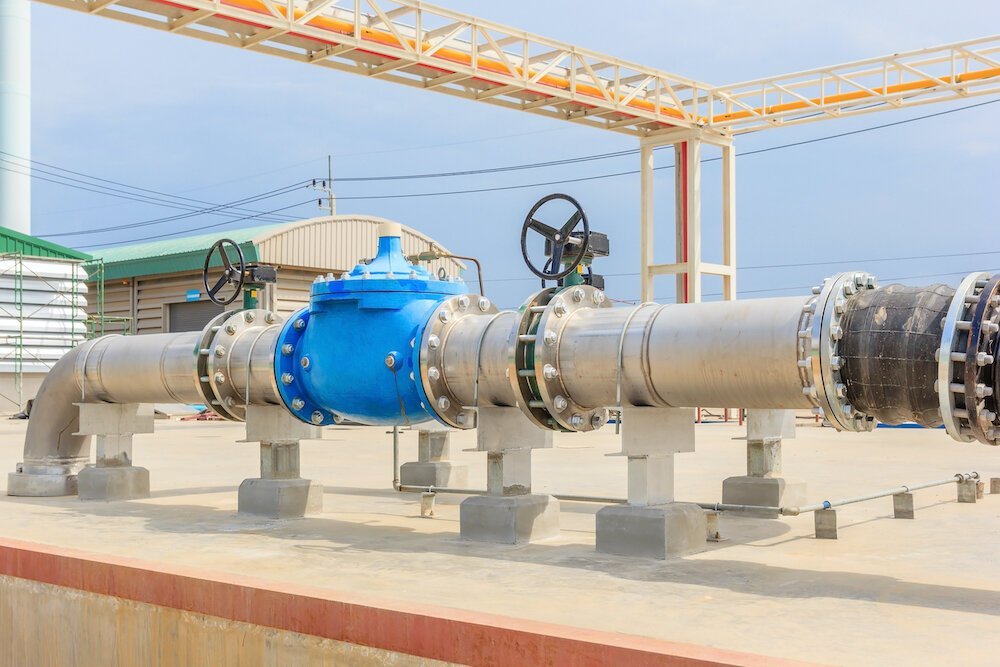
Municipal and industrial water pipelines encounter numerous challenges throughout their lifespan. Sediment, biofilms, and mineral deposits can accumulate inside mains, reducing capacity, affecting water taste and odor, increasing pumping costs, and ultimately shortening the life of the infrastructure. To maintain performance and avoid costly disruptions, cleaning is essential.
Two of the most widely used pipeline cleaning methods are traditional hydraulic pigging and the more innovative Ice Pigging™ technique. Both are effective but in different ways, and the choice often depends on the size of the pipe, the type of deposits present, and the balance between cost, risk, and downtime.
Traditional Pigging: Advantages and Disadvantages
Traditional hydraulic pigging has been used for decades as a trusted pipeline cleaning method. The process typically begins with a “prover pig” equipped with a location device to check for obstructions. Once the line is confirmed clear, a series of specialized cleaning pigs are propelled by system pressure through the pipeline, scraping away sediment and scale while restoring flow.
Pipeline Experts: Inspection, Cleaning, Coating & More
Certified solutions for inspection, pre-commissioning, cleaning, internal coating, ice pigging™, mapping, and turnkey pipeline projects—maximizing safety and reliability at every stage.
Advantages
Effective for long runs and large diameters
Traditional pigging is highly versatile and can handle a broad range of pipe diameters—up to 96 inches. It is also capable of cleaning longer continuous segments than Ice Pigging™, although the ice method can still achieve 2–3 miles in smaller pipes.
Low likelihood of pigs getting stuck
While one concern with foam pigs is the risk of them becoming lodged, this occurs rarely in practice. In American Pipeline Solutions’ 100+ years of combined experience, stuck pigs have only been an issue when severe obstructions were present. When this happens, tracking technology helps locate the obstruction so it can be removed and flows restored. By contrast, an ice pig cannot become permanently stuck, as it will simply melt.
Ability to navigate complex geometries
With the right pig materials and sizing, traditional pigs can move through short-radius elbows, tees, and a variety of valve types without issue.
Restores pipelines to near-original condition
When applied correctly, hydraulic pigging can return pipelines close to their original capacity and performance, extending asset life.
Smart pigging for integrity assessments
Beyond cleaning, pigging technology can also diagnose problems. SmartFoam Tools are cost-effective for evaluating cast iron, ductile, and steel mains, identifying cracks, corrosion, and wall anomalies with less disruption than conventional inspections.
Disadvantages
More complex setup requirements
Traditional pigging requires launcher and receiver chambers, which often means excavation and installation work before cleaning can even begin. This increases project time and cost compared to Ice Pigging™, which can use existing fittings.
Higher water consumption
Traditional pigging consumes significantly more water than Ice Pigging™—often 50% more during a typical operation. By comparison, uni-directional flushing can use up to five times more water, making both pigging and Ice Pigging™ preferable from a sustainability perspective.
Ice Pigging™: Benefits and Limitations
Ice Pigging™ is a relatively new cleaning technology that uses a dense slurry of ice crystals suspended in water to scour the interior of pipelines. The slurry behaves like a solid while retaining the flexibility of a liquid, which allows it to move smoothly through bends, diameter changes, and valves such as butterfly valves without issue.
Advantages
Minimal disruption and simple setup
Unlike traditional pigging, Ice Pigging™ can be introduced and removed using existing fittings such as hydrants, washouts, or air valves. This eliminates the need for launching and receiving chambers, reducing excavation, installation costs, and community disruption.
Exceptionally low risk of blockage
Because the pig is made of ice, it cannot become permanently stuck. If the slurry encounters an obstruction, it simply melts away—removing one of the major risks associated with traditional or foam pigging.
Faster turnaround and immediate return to service
An ice pig can often be injected into a pipe in less than twenty minutes, and the entire process typically lasts only a few hours. Once cleaning is complete, the line can be returned to service immediately without the need for lengthy flushing or chlorination.
Reduced water consumption and environmental impact
Ice Pigging™ uses less than half the water required for conventional swabbing. This reduction not only cuts operational costs but also makes the method more sustainable, a growing priority for municipalities and utilities.
Limitations:
Less aggressive cleaning power
While very effective at removing sediment, deposits, and biofilms, Ice Pigging™ cannot match the force of a hard pig. It is less effective against hardened tuberculation or calcified fats, oils, and grease.
Limited to small and medium pipe diameters
The technique is most effective for pipes ranging from about 1.5 to 24 inches in diameter. For larger mains, traditional pigging is usually the better choice, provided the system does not contain too many tight bends or obstacles.
No diagnostic or tracking capability
Unlike foam or smart pigs, the ice slurry cannot be tracked as it moves through the pipeline. This means it cannot provide diagnostic data or pinpoint obstructions. While a completely closed valve or severe blockage will be discovered during injection, smaller anomalies may go unnoticed.
Cost Considerations
Cost is one of the most important deciding factors. Ice Pigging™ is generally less expensive because it avoids excavation and reduces downtime. Labor costs are lower since systems are usually back online within hours, not days. Reduced water consumption also lowers disposal and treatment costs.
Traditional pigging, however, may be more cost-effective for very large pipelines or when severe obstructions require aggressive cleaning that ice slurry cannot provide.
Downtime and Operational Disruption
For municipalities and industries, downtime is often the most disruptive aspect of pipeline maintenance. Ice Pigging™ minimizes this issue, as pipes can be cleaned and returned to service within the same shift. Traditional pigging, by contrast, may require extended outages, excavation, and post-cleaning disinfection, which can stretch into several days. This difference often makes Ice Pigging™ more attractive when maintaining service continuity is critical.
Environmental Impact
Sustainability is becoming an increasingly important factor in pipeline maintenance. Ice Pigging™ is the more environmentally friendly option, consuming less water—often less than half that of swabbing—and generating less wastewater for disposal. The reduced need for excavation also means less disruption to the surrounding environment. Traditional pigging, while effective, is more resource-intensive.
When to Choose Each Method
Ice Pigging™ is usually the preferred choice for small- to medium-diameter mains where biofilm, sediment, or minor deposits are the primary concern. It is quick, cost-effective, and environmentally efficient, making it ideal for municipal water networks that prioritize customer service and minimal disruption.
Traditional pigging is still the method of choice for large-diameter pipelines, heavily obstructed mains, or situations where a full mechanical cleaning is required. It is also the better option when diagnostic information on pipeline integrity is needed, thanks to smart pigging technology.
Pipeline Experts: Inspection, Cleaning, Coating & More
Certified solutions for inspection, pre-commissioning, cleaning, internal coating, ice pigging™, mapping, and turnkey pipeline projects—maximizing safety and reliability at every stage.
Learn more about the best solution to solve your pipeline flow issues
American Pipeline Solutions is North America’s oldest continuous pigging company with over 100 years of combined experience. We have pigged and restored over two million feet of pipeline to near original conditions.
Contact American Pipeline Solutions to learn more about our institutional expertise and to request a quote.
FAQs:
What is the main difference between Ice Pigging™ and traditional pigging?
Traditional pigging uses solid or foam pigs that physically scrape pipeline walls, while Ice Pigging™ uses a semi-solid slurry of ice and water to clean more gently. Both remove sediment and deposits, but Ice Pigging™ requires less setup, less water, and eliminates the risk of pigs becoming stuck.
What is the main difference between Ice Pigging™ and traditional pigging?
Traditional pigging uses solid or foam pigs that physically scrape pipeline walls, while Ice Pigging™ uses a semi-solid slurry of ice and water to clean more gently. Both remove sediment and deposits, but Ice Pigging™ requires less setup, less water, and eliminates the risk of pigs becoming stuck.
How does Ice Pigging™ work?
Ice Pigging™ injects an ice slurry into a pipeline through existing fittings. The slurry behaves like a solid, scouring internal surfaces, yet remains flexible enough to move through bends and valves. Once cleaning is complete, the ice melts and the line can immediately return to service.
When should Ice Pigging™ be used instead of traditional pigging?
Ice Pigging™ is best for small- to medium-diameter lines (1.5–24 inches) with moderate sediment or biofilm buildup. It’s ideal for systems that cannot afford long shutdowns or excavation. Traditional pigging remains better for large-diameter mains, heavy scale, or when diagnostic inspection is required.
Can Ice Pigging™ damage pipelines or coatings?
No. The ice slurry is non-abrasive and gentle on internal coatings, which makes it suitable for aging infrastructure or sensitive materials. Traditional hard pigs can exert more force and may not be suitable for fragile coatings unless properly assessed.
Does Ice Pigging™ use less water than traditional pigging?
Yes. Ice Pigging™ typically uses less than half the water required for hydraulic pigging, reducing both consumption and wastewater disposal costs. It’s also more sustainable and environmentally friendly for municipal and industrial systems.
Can Ice Pigging™ be tracked or monitored during cleaning?
Not in the same way as traditional pigging. Ice Pigging™ cannot be tracked magnetically or electronically because it lacks a solid transmitter. However, the process is short, controlled, and monitored through flow, pressure, and discharge observation.
Which method cleans pipelines more thoroughly?
For soft debris, biofilm, and sediment, both methods are effective. Traditional pigging provides more mechanical cleaning power and is better for hardened scale or thick deposits. Ice Pigging™ provides comprehensive cleaning for lighter buildup while minimizing risk and downtime.
How long does an Ice Pigging™ operation take?
In most cases, injection takes less than 20 minutes and the entire cleaning can be completed in a few hours. Because the process uses existing fittings, pipelines can return to service the same day—often within the same shift.
Is Ice Pigging™ more cost-effective than traditional pigging?
For smaller and medium pipelines, yes. Ice Pigging™ eliminates the need for launcher/receiver installation, reduces labor, water, and downtime costs, and minimizes community disruption. Traditional pigging can be more cost-effective for large-diameter or heavily fouled pipelines requiring aggressive cleaning.
Does APS provide both Ice Pigging™ and traditional pigging services?
Yes. APS designs and delivers both methods depending on line conditions, diameter, and project goals. Our team evaluates pipe material, flow history, and buildup type to recommend the most effective, safe, and cost-efficient cleaning approach.

When Are Pipelines Unpiggable? Possible Solutions
When are pipelines unpiggable? We explore the scenarios when pigging is not feasible and the possible solutions to address them.

Pipeline maintenance and integrity testing are checks that should be performed regularly to ensure the optimal functioning of your pipeline system. Although pipelines are made of heavy-duty metal or plastic materials, they are still prone to wear and tear from years of use. At some point in your pipeline's operation, when it experiences low flow or stops functioning completely, you will have to apply various pigging solutions to clear out debris that might have accumulated.
However, simply cleaning out your pipelines doesn't always work out seamlessly. When a pipeline becomes ridden with tuberculation or the blockage is too huge, it becomes unpiggable, requiring more complex solutions.
In this article, we discuss the different scenarios that make a pipeline unpiggable and how they can be addressed.
Pipeline Experts: Inspection, Cleaning, Coating & More
Certified solutions for inspection, pre-commissioning, cleaning, internal coating, ice pigging™, mapping, and turnkey pipeline projects—maximizing safety and reliability at every stage.
When Are Pipelines Unpiggable?
If there is too much tuberculation or a total blockage in the line, it can become unpiggable. Most line issues can be pigged, but sometimes, steps need to be taken first to make pigging feasible. One such approach is jetting the pipeline first, which involves using high-pressure water jets to remove clogs, buildup, and debris. Hydro jetting is an eco-friendly way of clearing your pipes or preparing them prior to pigging.
If it has been a while since your pipeline was last maintenanced, total blockage and tuberculation can be expected. In this instance, your pipeline could be rendered unpiggable, even with pre-jetting. Below are some scenarios when pigging might not be possible.
Tuberculation in the Pipeline
Tuberculation happens when mounds of rust accumulate on the inside of your metal pipe, thus making it resistant to the flow of water. It is caused by the combination of bacteria and oxygen and can become so large and hardened that it obstructs water movement, rendering your pipeline eventually useless.
There are many ways to address tuberculation, but one of the most effective is the Picote cleaning process. In this procedure, a camera is used to inspect the pipeline and determine its readiness for a cleanout. When the extent of the debris is identified, a section of the pipeline is removed, usually along the 90-degree bend, and the Picote machine is attached to begin the process.
However, not all tuberculated pipelines are piggable; those built in the 70s, and earlier, usually need to be replaced completely. Minor tuberculation issues can still be addressed through pipe descaling, but when the problem has become so large on a pipe that's well past its lifespan, it's more practical to declare it unpiggable.

Pig is Blocked From Passing Through the Pipeline
If a pipeline is completely blocked, it becomes unpiggable. In order to travel through a line, the flow should be present by at least 30% to facilitate movement. In this scenario, the best alternative to pigging pipelines would be to remove the section that contains the blockage and clear it externally or replace the entire area.
Unconventional Valve Structures
Another reason why a pipeline could become unpiggable is the structure of the valves themselves. Eccentric plug valves and butterfly valves are uniquely designed that pigging equipment isn’t able to pass through. To clean this area, specialists would have to pig between the valves or take them out and replace them with full port units to allow for pig passage; however, Ice Pigging™ (another APS service offering) is another viable alternative to this specific problem.
Short Diameter Pipes
When your pipes are small and short, measuring 10 inches or less, pigging might not be a practical cleanout option. To pig effectively, you need a good launch location and a retrieval location, which isn't possible with a short pipe. Although unpiggable, the site can still be cleaned out using the Picote process.
Pipeline Experts: Inspection, Cleaning, Coating & More
Certified solutions for inspection, pre-commissioning, cleaning, internal coating, ice pigging™, mapping, and turnkey pipeline projects—maximizing safety and reliability at every stage.
Next Steps for Unpiggable Pipelines
With the advancements in pipeline cleaning and maintenance technology, the term "unpiggable" has started to lose its finality. Pipeline experts argue that there's no such thing as unpiggable pipelines, only those that are tricky to manage and will require unique interventions.
APS provides pigging solutions for pipelines of any size, structure, and issue. We have several options based on the problem and why the pipe needs to be pigged (or cleaned out using alternative techniques). Using our smart solutions, let us help you track the problem at the source and find the most efficient and safe cleanout strategies that will keep your pipelines in top condition for many years to come.
Contact American Pipeline Solutions and learn more about our unique pipeline pigging and cleanout solutions.
FAQs
What does it mean when a pipeline is “unpiggable”?
A pipeline is often called “unpiggable” when conventional pigging tools can’t safely or effectively pass through it. This can be due to heavy tuberculation, total blockages, small or short pipe runs, or restrictive features like eccentric plug or butterfly valves. In practice, “unpiggable” usually means the line needs extra preparation or alternative cleaning methods before pigging becomes feasible.
What are the most common reasons a pipeline becomes unpiggable?
Pipelines typically become unpiggable when there is severe tuberculation, complete blockage, complex or unconventional valves, or short pipe sections that don’t allow proper launching and receiving of pigs. Long periods without maintenance increase the likelihood of heavy buildup and obstructions that standard pigging tools cannot safely navigate.
Can an unpiggable pipeline ever be pigged again?
In many cases, yes. The pipeline may first need pre-cleaning (such as high-pressure jetting), localized repairs, valve changes, or alternative cleaning methods like Picote tools or Ice Pigging™. Once restrictions are reduced and suitable launch/receive points exist, a line that was considered unpiggable can often be transitioned back to piggable status with the right plan.
How does tuberculation make a pipeline unpiggable?
Tuberculation creates hardened mounds of rust on the inside of metal pipes. Over time, these mounds restrict flow, catch debris, and can physically block pigs from passing through. On older lines, especially those near or past their expected service life, tuberculation may be so extensive that full replacement is more practical than attempting pigging or descaling.
What are the options when a pig can’t pass because of a total blockage?
When a pig is blocked by a complete obstruction, operators usually have to locate the blocked section, isolate it, and either mechanically clear it from the outside or replace that segment of pipe. In some cases, pre-jetting or specialized cleaning tools can reduce the blockage, but if flow cannot be restored to a minimum level, conventional pigging is not a safe option.
Why do certain valves prevent pigging, and what can be done about them?
Valves like eccentric plug valves and butterfly valves have internal shapes that pigs can’t safely pass through. To clean these areas, crews may pig between the valves, remove and replace them with full port valves, or use alternative methods such as Ice Pigging™ that can navigate complex internals without solid pigs needing to pass through the valve body.
Why are short or small-diameter pipes often considered unpiggable?
Short runs of small-diameter pipe (for example, 10 inches or less with limited length) rarely provide enough space for a proper launcher, receiver, and safe pig control. In these cases, traditional pigging is impractical. Instead, techniques like Picote cleaning, high-pressure jetting, or other specialized tools are used to remove buildup and restore function.
How do Picote tools help with unpiggable lines?
Picote equipment uses rotating tools inserted from access points to mechanically descale and clean the pipe interior. For heavily tuberculated or short sections where pigs cannot be launched, Picote tools allow targeted removal of rust and buildup. They are particularly useful for older lines or small-diameter pipelines that would otherwise be considered unpiggable.
How can APS help if my line has been labeled unpiggable?
APS evaluates why the line is considered unpiggable—whether it’s tuberculation, blockage, valve design, or layout—and then recommends a combination of jetting, Picote cleaning, Ice Pigging™, sectional replacement, or valve changes. The goal is to restore flow safely and, where appropriate, return the pipeline to a condition where pigging and routine maintenance are once again possible.

Reasons for a Failed Fire Pump Test & Next Steps
Looking to fix your fire line’s low flow? Learn about tuberculation in fire lines and how American Pipeline Solutions can clean and prevent tuberculation.
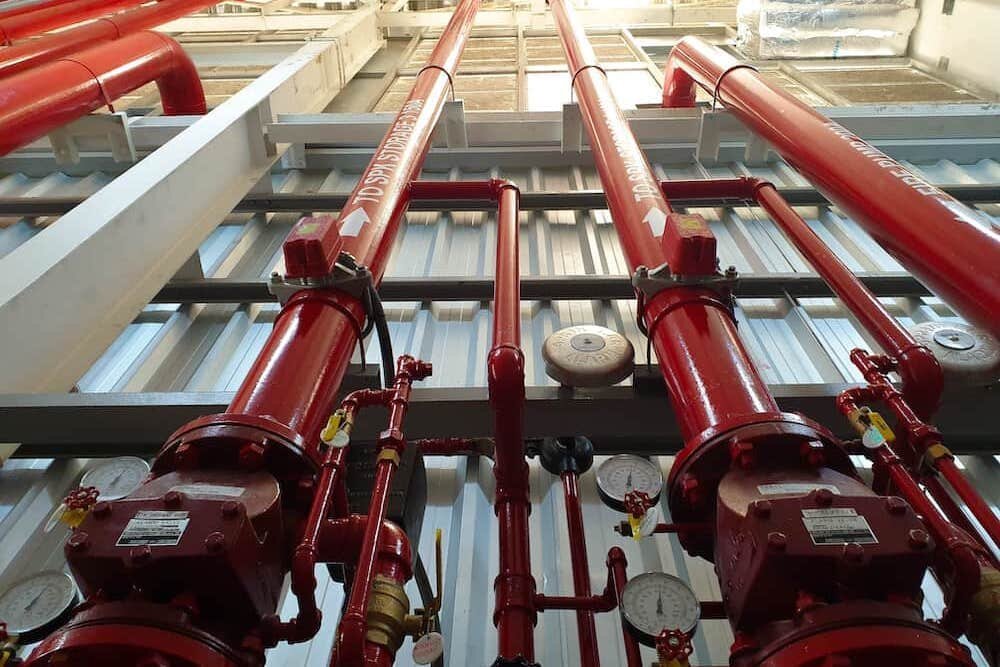
Each year, fire suppression systems must undergo a fire pump flow test to ensure compliance with industry standards. This test evaluates the flow rate of the fire line being tested. A low flow rate increases the likelihood of a failed test, which can compromise building safety and code compliance.
Several factors can contribute to a fire line’s low flow, including the type of fire line system, the pipeline material, and the substances transported. Most fire line systems are constructed from metallic pipes, with cast iron being the most common material. The primary cause of low flow in these pipes is tuberculation, a buildup inside the pipe that restricts water movement.
Keep reading to learn more about fire line tuberculation, how to detect it, and how American Pipeline Solutions can restore and maintain optimal fire line performance.
What Causes Tuberculation in Fire Lines?
Tuberculation occurs primarily in metallic pipelines, including cast iron and ductile iron pipes. It is caused by chemical reactions between bacteria in the fire line water and the iron in the pipe’s interior. Over time, this reaction creates a buildup, known as pipe scale or tuberculation, which narrows the pipeline and disrupts flow.
Left untreated, tuberculation can significantly reduce the efficiency of your fire suppression system and increase the risk of a failed fire pump test.
Pipeline Experts: Inspection, Cleaning, Coating & More
Certified solutions for inspection, pre-commissioning, cleaning, internal coating, ice pigging™, mapping, and turnkey pipeline projects—maximizing safety and reliability at every stage.
How to Detect Tuberculation?
The most common indicator of tuberculation in a fire line is low flow during a fire pump test. Additional signs may include uneven pressure readings or water discoloration.
At American Pipeline Solutions, we begin by performing a visual inspection of the fire line to determine the severity and location of the buildup. This inspection allows our team to assess the thickness of the tuberculation and plan the most effective cleaning approach.
Determining the Best Cleaning Approach
While replacing your fire line can remove tuberculation, it is often not cost-effective. Moreover, without proper prevention measures, new pipes can develop the same issue over time.
APS offers targeted solutions to clean and restore your existing fire lines. Our approach includes reviewing as-builts and fire line drawings, conducting a site visit, and creating a comprehensive proposal that outlines the recommended fire line descaling method.
Fire Line Descaling Methods
APS addresses tuberculation using a combination of:
Pigging
Rotary head technology
Picote mechanical equipment
The method chosen depends on the characteristics of the fire line.
Pigging is not typically the first choice for heavy-scale buildup, as foam pigs can break apart instead of removing the scale. Instead, APS often relies on Picote mechanical equipment, which applies stronger force to remove pipe scale efficiently. This method uses less water than pigging or rotary head technology while effectively cleaning the fire line.
Preventing Future Scale Build-Up and Low Flow
After cleaning, your fire line’s flow rate will return to optimal levels. To maintain this performance, fire lines should be cleaned approximately every five years. Without routine maintenance, tuberculation will reoccur, potentially leading to another failed flow test.
Epoxy coating offers a long-term solution to prevent future tuberculation. Unlike repiping, which can take several weeks and disrupt system operation, epoxy coating is a cost-effective, trenchless solution. Coating your cleaned pipelines can prevent tuberculation for up to 50 years, extending the life of your fire line while minimizing downtime.
Why Choose APS for Fire Line Cleaning and Prevention?
With extensive experience in fire line descaling and epoxy coating, APS provides reliable, industry-standard solutions that restore flow, improve efficiency, and ensure fire line compliance. Our team specializes in:
Fire line cleaning and tuberculation removal
Pipe descaling for metallic pipelines
Long-term prevention with epoxy pipe coating
Maintaining optimal flow rates for fire suppression systems
Take the Next Step
If your fire line has low flow or has failed a fire pump test, don’t wait for issues to worsen. Contact American Pipeline Solutions today to schedule a fire line inspection and learn more about our tuberculation cleaning and prevention services.
Pipeline Experts: Inspection, Cleaning, Coating & More
Certified solutions for inspection, pre-commissioning, cleaning, internal coating, ice pigging™, mapping, and turnkey pipeline projects—maximizing safety and reliability at every stage.
FAQs Reasons for a Failed Fire Pump Test & Next Steps
What are the most common reasons a fire pump flow test fails?
A fire pump test usually fails when the fire line can’t deliver the flow and pressure required by design or code. In metallic fire mains, the most common culprit is tuberculation—internal scale buildup that narrows the pipe. Other contributing factors include aging pipe, poor maintenance history, partial blockages, or restrictions at valves, fittings, and backflow devices that reduce effective internal diameter.
What is tuberculation in a fire line and why is it a problem?
Tuberculation is a form of internal corrosion scale that develops on metallic pipes such as cast iron and ductile iron. It’s caused by reactions between iron in the pipe wall and bacteria or minerals in the water. Over time, these “mounds” of corrosion products grow into the flow path, narrowing the pipe, disrupting hydraulics, and reducing the flow available during a fire pump test or emergency event.
How can I tell if tuberculation is causing my fire pump test to fail?
The clearest sign is low flow or low pressure during the annual fire pump test compared to the system’s design values. You might also see uneven pressure readings at different test points or notice discolored water during testing or flushing. To confirm, American Pipeline Solutions performs visual inspections where possible, reviews as-built drawings, and targets segments most likely to be heavily scaled for more detailed assessment.
Do I need to replace my fire main if it fails a fire pump test?
Not always. Full replacement is expensive, disruptive to the building, and doesn’t prevent new tuberculation from forming in fresh pipe. In many cases, APS can restore performance by mechanically descaling the existing fire line, verifying improved flow, and then applying an internal epoxy coating. This approach often costs less than repiping, can be completed faster, and extends the useful life of the existing fire main.
How does APS clean and descale a tuberculated fire line?
APS starts with an engineering review of your fire line drawings and a site visit to confirm layout, access, and condition. Based on what we find, we select a descaling method such as pigging, rotary head technology, or Picote mechanical tools. For heavy, stubborn scale, Picote equipment is often preferred because it applies strong mechanical force directly to the deposits while using less water than traditional pigging or purely hydraulic methods.
Why isn’t pigging always the best choice for heavy scale in fire mains?
Pigging can work well in some fire systems, but foam or soft pigs tend to deform or break apart when pushed through severe tuberculation. Instead of cutting and removing the deposits, they may simply squeeze around them or leave pieces behind. In heavily tuberculated metallic mains, APS often prioritizes Picote mechanical descaling or rotary heads, which can physically cut and remove thick scale more reliably, especially in older cast iron lines.
How often should fire lines be cleaned to maintain acceptable flow?
A good baseline for many facilities is to clean the fire line approximately every five years, but the ideal interval depends on water quality, pipe age, and system design. Some systems with aggressive water chemistry or older infrastructure may need more frequent attention. APS helps building owners and facility managers set a cleaning and inspection schedule that supports both fire pump test performance and long-term reliability.
How does internal epoxy coating help prevent future tuberculation?
After the fire line is mechanically cleaned and properly dried, APS can apply an internal epoxy coating to seal the pipe interior. This coating creates a barrier between the water and the iron surface, which slows or prevents the reactions that cause new tuberculation. Compared to repiping, epoxy coating is trenchless and less disruptive, and when applied correctly, it can help protect the system for decades while keeping flows closer to original design levels.
Is epoxy coating always better than replacing the fire line?
It depends on the structural condition of the pipe. If the fire main is structurally sound but restricted by internal scale, epoxy coating after descaling is often more cost-effective and less disruptive than full replacement. In cases of severe wall loss, leaks, or structural failure, replacement may still be required. APS evaluates each system individually and recommends the most practical option based on condition, budget, and risk tolerance.
Why should I choose American Pipeline Solutions for fire line flow and tuberculation issues?
American Pipeline Solutions combines fire line descaling, mechanical cleaning, and epoxy coating under one roof, so you don’t have to coordinate multiple contractors. We focus on restoring flow, improving fire pump test performance, and extending the life of metallic fire mains with minimal disruption to building operations. Our process includes upfront assessment, clear proposals, field-proven cleaning methods, and long-term prevention strategies tailored to your facility.
Looking to improve the low flow of your fire line?
Contact American Pipeline Solutions today to learn about our fire line tuberculation cleaning and prevention solutions.

What is Epoxy Pipe Lining & When to Use It
Are you in need of an efficient way to maintain your pipeline? Learn about epoxy pipe lining, the benefits of internal pipe coating and more.

Aging pipelines do not always need to be replaced. When the existing pipe is still structurally suitable for rehabilitation, an internal epoxy coating can help address corrosion, tuberculation, rough internal surfaces, and flow restrictions without removing the entire pipe run.
The key is determining whether coating actually fits the condition of the pipeline. Epoxy is a rehabilitation option, not a solution for every damaged pipe. Inspection, cleaning, surface preparation, operating conditions, and the structural condition of the host pipe all matter.
Keep reading to learn about internal pipe coating, when it use it and the pros and cons of epoxy pipe lining.What Is Epoxy Pipe Lining?
Epoxy pipe lining is a term commonly used for rehabilitating an existing pipeline by creating an epoxy barrier along its internal surface.
For the type of internal coating performed by American Pipeline Solutions, the existing pipe is inspected, thoroughly cleaned, dried, and prepared before epoxy is applied to its interior. After curing, the coating forms a smooth barrier between the host pipe and the material flowing through it.
This can help reduce direct exposure of metallic pipe walls to corrosive conditions, limit the recurrence of tuberculation, improve the internal flow surface, and extend the useful service life of pipelines that remain good candidates for rehabilitation.
The important point is that the condition of the existing pipe must be evaluated first. Epoxy coating should not be viewed as a way to hide serious structural damage.
Is Epoxy Pipe Lining the Same as CIPP?
Not always. This distinction is important because the term “pipe lining” is used broadly throughout the industry.
Cured in place pipe, commonly called CIPP, normally involves inserting a resin saturated tube or liner into an existing pipeline and curing it in place. The finished liner can function as a new structural pipe inside the host pipe.
Internal epoxy coating uses a different approach. Instead of installing a fabric tube, epoxy is applied directly to the prepared internal surface of the existing pipe.
APS focuses on this internal coating approach using Picote technology. The purpose is to rehabilitate and protect an existing pipe that still has suitable structural integrity.
Understanding that difference matters when comparing rehabilitation options. A pipe requiring structural renewal may need a different solution than one primarily affected by internal corrosion or tuberculation.
When Is Epoxy Pipe Lining a Good Option?
The best candidates usually have an existing pipe that remains structurally viable but is experiencing internal deterioration or performance problems.
Internal Corrosion and Tuberculation
Cast iron and other metallic pipelines can develop substantial internal corrosion over time. Tuberculation creates hard deposits that narrow the effective diameter of the pipe and increase resistance to flow.
Cleaning can remove these deposits, but cleaning alone does not change the exposed internal surface that allowed corrosion to develop.
After the line has been properly cleaned and prepared, an internal epoxy barrier can help isolate that surface and reduce the conditions that contribute to recurring corrosion and buildup.
Reduced Flow and Pressure
Internal deposits can dramatically affect hydraulic performance even when the pipeline itself has not failed structurally.
This is particularly important in water distribution and fire suppression systems. A line may still carry water while no longer delivering the required flow during testing or periods of high demand.
Removing the buildup restores internal area. Coating the cleaned surface can then provide a smoother bore and help protect the rehabilitated line from recurring internal deterioration.
APS has used this combination of mechanical cleaning and internal coating on heavily tuberculated fire lines where restoring hydraulic performance was a primary project objective.
Aging Pipelines in Difficult Locations
Replacement becomes considerably more disruptive when pipelines run beneath pavement, concrete, finished floors, walls, buildings, or other areas with limited access.
When the host pipe remains a suitable candidate, internal coating can reduce the amount of excavation and restoration required compared with removing and replacing the complete line.
That can be particularly valuable in hospitals, schools, multifamily properties, office facilities, industrial sites, and other locations where extended service interruptions create additional operational costs.
When Should Epoxy Pipe Lining Not Be Used?
Knowing when not to coat a pipeline is just as important as understanding its benefits.
Internal epoxy coating is generally not the right solution for a pipe that is collapsed, severely deformed, or no longer structurally suitable to support the coating system.
Other conditions may also affect feasibility, including:
Severe structural wall loss
Major cracks or failed sections requiring physical repair
Inability to adequately clean and prepare the internal surface
Pipeline geometry that prevents proper application
Operating temperatures or chemicals incompatible with the specified coating
Conditions that prevent proper drying or curing
Surface preparation is especially important because adhered rehabilitation systems depend on the condition of the host pipe surface. A coating applied over poorly prepared corrosion, residue, moisture, or loose material may not perform as intended.
This is why APS begins with inspection and feasibility review rather than assuming that every aging pipeline should be coated.
What Types of Pipes Can Be Epoxy Coated?
Internal coating can be considered for several common pipeline materials, but preparation requirements differ.
APS works with pipeline materials including:
Cast iron
Ductile iron
Steel
Copper
HDPE
PVC
Metallic pipelines affected by corrosion and tuberculation are common candidates. Plastic materials require a different preparation approach. PVC, for example, may need mechanical surface preparation to create the profile necessary for proper adhesion.
The service is also applicable to a range of systems, including water lines, fire lines, drain lines, sewer lines, clarifier drains, feed piping, and certain industrial pipelines.
Material alone does not determine whether coating is appropriate. Pipe condition, access, operating environment, geometry, and service requirements should all be evaluated before a rehabilitation method is selected.
How Does the Epoxy Pipe Lining Process Work?
Successful coating depends heavily on what happens before the epoxy is applied.
1. Pipeline Inspection
The process begins by evaluating the internal condition of the line. Inspection helps identify corrosion, tuberculation, deposits, visible damage, and other conditions that may affect coating feasibility.
The goal is to determine whether the host pipe is suitable for rehabilitation and what preparation will be required.
2. Mechanical Cleaning
Deposits, rust, scale, and loose material must be removed from the pipe wall.
Depending on the pipeline, APS may use pigging, rotary cleaning heads, or specialized Picote mechanical cleaning methods. Cleaning does more than improve flow. It creates the surface conditions needed for the coating to bond correctly.
3. Drying and Surface Preparation
Moisture and residual material can interfere with adhesion.
The cleaned pipeline is therefore dried and prepared before coating begins. The required preparation depends on the pipe material and existing surface condition.
4. Internal Epoxy Application
APS uses Picote technology to apply multiple coats of epoxy to the prepared internal surface.
The number of coats and application approach depend on the pipeline and project requirements. The objective is consistent coverage across the intended surface.
5. Curing
The applied epoxy must cure according to the requirements of the coating system before the pipeline is returned to service.
Cure conditions are important because epoxy performance depends on correct mixing, application, temperature, time, and other manufacturer requirements.
6. Final Inspection and Testing
The finished line is inspected and, where required, tested before returning it to operation.
This final verification helps confirm that the rehabilitation work has been completed as planned and that the pipeline is ready for service.
What Are the Benefits of Epoxy Pipe Lining?
The main advantage is the ability to rehabilitate suitable existing infrastructure rather than automatically replacing it.
Depending on the pipeline and project conditions, internal epoxy coating can:
Reduce excavation and restoration work
Provide a smoother internal flow surface
Help protect metallic pipe from internal corrosion
Reduce recurring tuberculation
Restore hydraulic performance after proper cleaning
Minimize disruption compared with full pipe replacement
Extend the useful life of aging infrastructure
These benefits depend on proper candidate selection. Epoxy coating performs best when the underlying pipe is suitable, preparation is thorough, and the coating is matched to the operating environment.
Epoxy Pipe Lining vs Pipe Replacement
Neither solution is automatically better.
Replacement is often necessary when the pipe has significant structural deterioration, collapse, severe deformation, or damage that cannot be corrected through internal rehabilitation.
Epoxy coating can make more sense when the host pipe remains viable and the main problems involve internal corrosion, tuberculation, roughness, or restricted flow.
Access also changes the equation. Replacing a buried or concealed line may involve excavation, concrete removal, building work, landscaping restoration, and extended shutdowns. Internal rehabilitation can reduce many of those secondary impacts when conditions allow.
The decision should therefore be based on pipeline condition, risk, expected service life, access, downtime, and total project scope rather than installation price alone.
How Long Does Epoxy Pipe Lining Last?
A properly specified and applied internal epoxy system can provide long term service, with industry sources commonly discussing service periods measured in decades. Actual lifespan depends on the coating system, surface preparation, application quality, pipe condition, temperature, pressure, chemicals, and operating environment.
APS commonly evaluates epoxy coating as a potential 30 to 50 year rehabilitation strategy when the host pipe and service conditions are appropriate.
That should be treated as a project dependent expectation rather than a guaranteed lifespan for every pipeline.
Is Epoxy Pipe Lining Suitable for Potable Water?
Epoxy coatings can be used in potable water applications when the specific coating system is certified and installed for its approved use.
NSF/ANSI/CAN 61 covers the health effects requirements for materials and products that come into contact with drinking water. Certification applies to specific products and their defined use conditions rather than epoxy coatings as an entire category.
APS uses an NSF 61 approved epoxy for appropriate potable water coating projects. The pipeline, coating, application conditions, cure requirements, and intended service should all be reviewed as part of project planning.
How American Pipeline Solutions Approaches Internal Pipe Coating
American Pipeline Solutions provides pipeline inspection, cleaning, condition analysis, and internal epoxy coating as connected services rather than treating coating as a simple surface application.
The process begins with understanding the existing pipeline. APS evaluates its condition, identifies the cause of performance problems, determines whether rehabilitation is practical, and develops the cleaning and preparation plan required before epoxy application.
Using specialized mechanical cleaning and Picote coating technology, APS supports water, fire protection, municipal, commercial, and industrial pipeline rehabilitation projects across the United States.
The objective is not simply to coat an old pipe. It is to determine whether internal rehabilitation can provide a safe, practical, and long term solution for the specific system.
Frequently Asked Questions
Does Epoxy Pipe Lining Fix Corroded Pipes?
Epoxy coating can help rehabilitate a structurally suitable pipe affected by internal corrosion. The damaged and loose material must first be cleaned away so the coating can bond to a properly prepared surface.
Severe structural corrosion may require repair or replacement instead.
Can Epoxy Pipe Lining Stop Tuberculation?
Mechanical cleaning removes existing tuberculation. Internal epoxy coating can then isolate the cleaned metallic surface from the water and help reduce the conditions that lead to recurring corrosion and tuberculation.
Can Epoxy Coating Fix a Collapsed Pipe?
No. Internal coating does not rebuild a collapsed or severely deformed pipeline. Those conditions generally require structural rehabilitation, targeted repair, or replacement.
Is Epoxy Pipe Lining Cheaper Than Replacing Pipes?
It can be, particularly when replacement would require substantial excavation, demolition, reconstruction, or long service interruptions.
There is no reliable universal percentage because project cost depends on pipe size, length, access, cleaning requirements, condition, coating scope, and the restoration work associated with replacement.
Is Epoxy Pipe Coating the Same as Epoxy Pipe Lining?
The terms are often used interchangeably, but they can describe different rehabilitation methods.
APS uses an internally applied epoxy coating. CIPP, by comparison, installs a resin saturated liner inside the host pipe and is a distinct rehabilitation process.
Does the Pipeline Have to Be Cleaned Before Epoxy Is Applied?
Yes. Cleaning and surface preparation are critical to coating performance. Deposits, loose corrosion, residue, and other contamination need to be removed so the epoxy can bond to the intended surface.
Can Fire Suppression Lines Be Epoxy Coated?
Yes, when the line is a suitable candidate and the coating system meets the project requirements. Fire lines affected by internal tuberculation are particularly relevant because buildup can significantly restrict available flow.
How Do I Know if My Pipeline Is a Good Candidate?
The decision should begin with a pipeline inspection. The pipe's structural condition, material, geometry, internal deterioration, access, operating environment, and cleaning requirements all help determine whether internal epoxy coating is appropriate.
Looking to protect your pipeline systems?
Contact American Pipeline Solutions to learn how epoxy pipe lining can help.

How to Clean and Prevent Tuberculation in Cast Iron Pipes
You shouldn’t have to live with restricted flow caused by a tuberculated pipe. Learn about tuberculation in cast iron pipes and how to clean & prevent buildup.
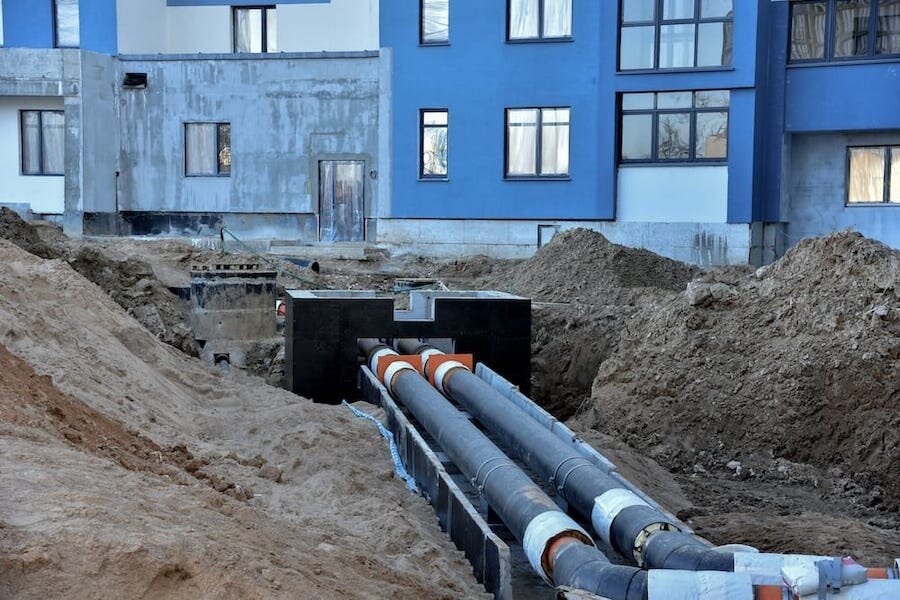
Cast iron pipes are trusted for their strength and long lifespan, which is why they remain a standard in many condos, apartments, and office buildings. But even durable systems develop issues over time. One of the most common problems in older cast iron pipelines is tuberculation—a buildup of rust and bacteria that narrows the inside of pipes, disrupts flow, and threatens water quality.
If you’ve noticed signs of tuberculation, you might assume full pipe replacement is your only option. Fortunately, replacement isn’t always necessary. With the right inspection, cleaning, and prevention methods, you can restore your system and protect it for decades.
Keep reading to learn what causes tuberculation, the warning signs to watch for, and how American Pipeline Solutions (APS) cleans and prevents it with proven, long-term solutions.
What is Tuberculation?
Tuberculation is a corrosive buildup inside cast iron and ductile iron pipes. It occurs when bacteria in water interact with the iron in the pipe wall, leading to iron oxide (rust) deposits that gradually thicken and form rough, tubercle-like formations.
Over time, this buildup reduces the internal diameter of the pipe, restricting flow and increasing pressure. In some cases, tuberculation can also contribute to leaks or pipe failure.
How to Clean & Prevent Tuberculation in Cast Iron Pipes
What Causes a Tuberculated Pipe?
Several factors can lead to tuberculation in cast iron pipes:
Water chemistry: Low pH, high oxygen, or chlorine content can accelerate corrosion.
Bacteria: Microorganisms react with iron to create rust deposits.
Age: Cast iron pipelines installed in the 1950s–70s are now reaching the age where tuberculation is common.
Low water velocity: Slow-moving water makes it easier for deposits to settle and grow.
Lack of protective lining: Older pipes were rarely coated internally, leaving them vulnerable.
Pipeline Experts: Inspection, Cleaning, Coating & More
Certified solutions for inspection, pre-commissioning, cleaning, internal coating, ice pigging™, mapping, and turnkey pipeline projects—maximizing safety and reliability at every stage.
The Signs of Pipe Tuberculation
Tuberculation isn’t always obvious at first. Some of the most common warning signs include:
Discolored or rusty water: Reddish-brown staining in sinks, tubs, or toilets.
Low water pressure: Reduced flow at fixtures due to narrowed pipes.
Unexplained leaks: Corrosion can weaken pipe walls, leading to frequent repairs.
Poor fire system performance: Fire suppression lines may fail flow tests because of restricted gallons per minute.
Bad taste or odor: Metallic or musty water can result from corrosion byproducts.
Cleaning and Prevention Solutions for a Tuberculated Pipe
Pipe replacement is a guaranteed solution—but it’s expensive, disruptive, and unnecessary in many cases. APS offers cost-effective cleaning and prevention options to restore and protect existing pipelines.
Step 1: Mechanical Cleaning
APS uses advanced cleaning methods to remove tuberculation buildup:
Picote Mechanical Equipment – Applies powerful, controlled force to remove heavy deposits while using less water than other methods.
Rotary Head Technology – Effective for loosening and clearing debris in certain conditions.
Pigging – Foam pigs push through pipelines to clear deposits, though it’s often less effective on severe buildup.
Ice Pigging™ – An innovative solution using ice slurry that is highly effective and eco-friendly.
Step 2: Epoxy Coating for Long-Term Prevention
Once pipes are cleaned, APS applies a thin epoxy coating to the interior walls. This protective lining:
Prevents further tuberculation for up to 50 years.
Is NSF-61 certified safe for drinking water.
Reduces maintenance costs and downtime.
Is trusted by industries worldwide—including experts at NASA.
With proper coating, property owners avoid recurring cleanings every 5 years and extend the life of their infrastructure significantly.
Pipeline Experts: Inspection, Cleaning, Coating & More
Certified solutions for inspection, pre-commissioning, cleaning, internal coating, ice pigging™, mapping, and turnkey pipeline projects—maximizing safety and reliability at every stage.
The Risks of Ignoring Tuberculation
Delaying action on tuberculation can have costly and even dangerous consequences:
Health risks – Rust particles and bacteria can compromise water safety.
Fire protection risks – Restricted fire suppression systems may fail inspections.
Financial risks – Emergency repairs or full replacement are far more expensive than preventative maintenance.
Operational risks – Low water pressure and frequent leaks lead to tenant complaints and higher maintenance budgets.
How American Pipeline Solutions Handles Tuberculation Projects
APS provides end-to-end pipeline services that maximize reliability and safety:
Inspection & Assessment – Video inspection and flow testing to diagnose the extent of tuberculation.
Cleaning – Selecting the right method (Picote, rotary, pigging, ice pigging™).
Epoxy Coating – Applying a certified lining for long-term protection.
Testing & Quality Control – Ensuring your system is fully restored and compliant.
With APS, property managers get a turnkey solution that saves money and prevents future issues.
FAQs:
What is tuberculation in cast iron pipes?
Tuberculation is a corrosion process that creates rough, rust-colored nodules inside iron pipelines. It forms when naturally occurring bacteria react with the pipe’s iron wall, producing iron oxide deposits. Over time, these buildups restrict flow, increase pressure, and may lead to leaks or pipe failure.
What causes tuberculated pipes?
Tuberculation develops due to a combination of water chemistry, bacteria, and age. Low pH or high oxygen levels accelerate corrosion, while microorganisms convert iron into rust deposits. Older, unlined cast iron systems are most vulnerable, especially where water moves slowly or stagnates.
How does American Pipeline Solutions clean tuberculated cast iron pipes?
APS restores flow and surface integrity using advanced mechanical cleaning and Ice Pigging™ technology. Depending on severity, methods may include Picote mechanical descaling, rotary heads, foam pigging, or ice slurry pigging. These approaches safely remove iron buildup without damaging the host pipe.
Is full pipe replacement necessary once tuberculation appears?
Not always. Replacement is costly and disruptive, but most pipelines can be renewed with inspection, cleaning, and internal epoxy coating. APS removes deposits, dries the line, and applies a thin NSF-61-certified epoxy barrier that stops further corrosion and extends service life up to 50 years.
How does epoxy coating prevent future tuberculation?
After cleaning, APS applies an internal epoxy lining that seals the pipe’s surface from water and oxygen exposure. This coating eliminates the conditions bacteria need to produce rust, protecting potable water quality and drastically reducing future maintenance requirements.
What are the signs that my cast iron pipes have tuberculation?
Common indicators include rusty or discolored water, low pressure, metallic taste, or recurrent leaks. In buildings with fire systems, tuberculation may cause failed flow tests. An inspection from APS can confirm the condition and recommend appropriate cleaning or coating solutions.
What happens if tuberculation is ignored?
Neglecting tuberculation can lead to clogged or burst pipes, compromised water safety, and reduced fire-protection performance. Over time, emergency repairs and replacements cost far more than preventive cleaning and coating. APS helps property owners address corrosion early to avoid these risks.
How long does the cleaning and coating process take?
Most small to medium building systems can be inspected, cleaned, and coated within a few days, depending on pipe length and access points. APS plans each project to minimize downtime and restore service as quickly as possible.
Is APS’s epoxy coating safe for drinking water systems?
Yes. The epoxy products APS applies are NSF/ANSI-61 certified, meaning they are approved for use in potable water lines. They are widely trusted across municipalities, commercial buildings, and even NASA facilities for their long-term safety and durability.
Are you looking for an efficient solution to your tuberculated pipe?
Contact American Pipeline Solutions and learn about our unique pipeline tuberculation solutions.

Common Pipeline Pigging Terminology to Know
Curious about the pipeline and pigging industry? Check out this list of key pipeline terminology defined by our experts at American Pipeline Solutions.

Pipeline pigging has its own technical language. Terms such as utility pig, gauge plate, ILI, launcher, receiver, MFL, and pig tracking can quickly become confusing when planning pipeline cleaning, inspection, maintenance, or pre-commissioning work.
Understanding common pipeline pigging terminology makes it easier to communicate with contractors, evaluate a proposed pigging plan, and understand what is happening during a project.
This glossary covers the common pigs, inspection technologies, equipment, operating terms, and pipeline conditions operators are likely to encounter.
Pipeline Experts: Inspection, Cleaning, Coating & More
Certified solutions for inspection, pre-commissioning, cleaning, internal coating, ice pigging™, mapping, and turnkey pipeline projects—maximizing safety and reliability at every stage.
What Is Pipeline Pigging?
Pipeline pigging is the process of sending a device called a pig through a pipeline to perform a specific task. Depending on the application, pigs can remove debris, displace liquids, separate products, check internal clearance, collect inspection data, or help prepare a line for another service.
The right pipeline pigging method depends on pipe material, diameter, geometry, operating conditions, buildup, and the desired result.
Below are the terms commonly used throughout a pigging project.
Core Pipeline Pigging Terms
These foundational terms describe the pigging process and the equipment used to launch, move, and recover a pig.
Pipeline Pig
A pipeline pig is a device that travels through the inside of a pipeline using pressure, flow, or another means of propulsion. Different pigs are designed for cleaning, liquid displacement, gauging, inspection, batching, and other operations.
Pigging
Pigging refers to the overall process of moving a pig through a pipeline to perform a specific maintenance, cleaning, inspection, or operational task.
Pig Run
A pig run is one complete passage of a pig through a designated pipeline section, typically from a launcher to a receiver.
Some cleaning projects require multiple runs using different pig configurations before the desired level of cleanliness is achieved.
Piggability
Piggability describes whether a pipeline can safely and effectively accommodate a pig.
Factors such as pipe diameter, bend radius, valves, tees, internal restrictions, diameter changes, and launcher and receiver access can affect whether a line is piggable.
Pig Trap
A pig trap is a general term for the pressure rated equipment used to insert or remove pigs from a pipeline. Pig traps normally function as either launchers or receivers.
Pig Launcher
A pig launcher is the section of equipment used to safely introduce a pig into a pressurized pipeline.
The launcher provides enough space to load the pig, isolate the section, equalize pressure, and release the pig into the line under controlled conditions.
Pig Receiver
A pig receiver captures and allows the safe removal of a pig after it completes the run.
Receivers also provide operators with an opportunity to examine the pig and any debris collected during the operation.
Common Types Of Pipeline Pigs
Pipeline pigs are designed around different maintenance and operational goals. Some are simple cleaning tools, while others carry sensors and collect detailed pipeline condition data.
Utility Pig
A utility pig performs physical pipeline tasks rather than detailed inspection. Typical applications include cleaning, batching, dewatering, and displacement.
Utility pigs include many foam, cup, disc, brush, and mandrel designs.
Cleaning Pig
A cleaning pig removes deposits or liquids from the pipeline interior.
Depending on the application, cleaning pigs may be equipped with brushes, scrapers, magnets, cups, discs, or other components designed to remove material from the pipe wall.
Professional pipeline cleaning may use several pig types in sequence when deposits are heavy or internal conditions are uncertain.
Foam Pig
A foam pig is made primarily from flexible polyurethane foam. Its flexibility allows it to travel through pipeline configurations that may be difficult for more rigid pig designs.
Foam pigs can be used for light cleaning, drying, sweeping, proving, and removing loose debris.
Swab Pig
A swab pig is generally used to remove liquids, moisture, or loose material from a pipeline.
Swabbing is common during dewatering and drying operations where removing residual liquid is an important step before commissioning or returning the line to service.
Brush Pig
A brush pig uses wire or other specialized brushes to remove deposits adhering to the internal pipe wall.
These pigs may be used for rust, scale, wax, or other deposits when a more aggressive cleaning action is required.
Cup Pig
A cup pig uses flexible sealing cups to maintain contact with the pipe wall.
The seal allows differential pressure to propel the pig through the pipeline, making cup pigs useful for cleaning, batching, displacement, and liquid removal.
Disc Pig
A disc pig uses circular sealing discs rather than cups.
Disc configurations can provide effective sealing and scraping while allowing the pig design to be adapted for different pipeline geometries and operating conditions.
Batching Pig
A batching pig separates different fluids or products moving through the same pipeline.
The pig creates a physical barrier that helps minimize mixing between product batches.
Sphere Pig
A sphere pig is a spherical device commonly used for liquid removal, batching, or controlling liquids in certain pipeline systems.
Its shape allows it to pass through some bends and fittings while maintaining contact with the pipe wall.
Gauge Pig
A gauge pig checks the internal clearance of a pipeline before more complex equipment is introduced.
It normally carries a thin gauge plate that can bend or become marked if the pig encounters an internal restriction. Pipeline gauging can help identify clearance concerns before an inspection or advanced pigging run.
Pipeline Inspection And Smart Pigging Terms
Pipeline inspection uses instrumented pigs and related technologies to collect information that cannot be obtained from ordinary cleaning pigs.
In-Line Inspection
In-line inspection, commonly abbreviated as ILI, is the inspection of a pipeline from inside the line using an instrumented tool.
ILI can help operators identify corrosion, metal loss, deformation, cracks, and other conditions that may affect pipeline integrity.
ILI Tool
An ILI tool is an instrumented device designed to collect pipeline condition data while traveling through the line.
Different ILI tools use different sensor technologies depending on the pipeline material and the defects being investigated.
Smart Pig
A smart pig is an instrumented pipeline pig equipped with sensors and data collection capabilities.
Unlike a conventional cleaning pig, a smart pig can measure and record pipeline characteristics throughout the run. APS uses smart pigging to support detailed pipeline condition assessment.
Intelligent Pig
Intelligent pig is another commonly used term for a smart pig or ILI tool.
The term refers to a pig that carries sensors and records information rather than simply performing a mechanical task.
Instrumented Pig
An instrumented pig carries sensors, electronic systems, data storage, or measurement devices.
Smart pigs, geometry pigs, mapping pigs, and many ILI tools fall within this broader category.
Configuration Pig
A configuration pig measures or identifies changes in pipeline geometry.
These tools can detect conditions such as dents, ovality, restrictions, or changes in internal diameter.
Geometry Pig
A geometry pig measures the internal shape of the pipeline.
It is commonly used to identify dents, buckles, ovality, restrictions, and other geometric features that may interfere with flow or affect structural condition.
Caliper Pig
A caliper pig uses mechanical arms or sensors to measure changes in internal pipeline diameter.
Caliper data can identify dents, deformation, ovality, and other geometric anomalies.
Camera Pig
A camera pig carries imaging equipment through a pipeline to provide visual information about internal conditions.
Camera inspection can help identify visible deposits, obstructions, coating damage, or other conditions, although it does not replace sensor based inspection when measurements of wall condition are required.
Mapping Pig
A mapping pig collects positional data that helps determine the pipeline's route and geometry.
Advanced pipeline mapping can provide XYZ coordinates that support asset records, condition analysis, construction planning, and integrity management.
Common Pipeline Inspection Technologies
The sensors carried by an inspection pig determine the type of pipeline information the tool can collect.
Magnetic Flux Leakage
Magnetic Flux Leakage, or MFL, is an inspection technique commonly used to detect metal loss in ferrous pipelines.
The tool magnetizes the pipe wall and measures changes in the magnetic field that can indicate corrosion or material loss.
Ultrasonic Testing
Ultrasonic Testing, or UT, uses high frequency sound waves to evaluate pipe wall thickness and other characteristics.
UT technology can provide detailed information about corrosion, wall loss, cracking, and material condition when the inspection environment is suitable.
Eddy Current
Eddy current inspection uses electromagnetic fields to evaluate conductive materials.
Changes in the electromagnetic response can reveal wall loss, pitting, delamination, or other anomalies in metallic pipelines.
Inertial Measurement Unit
An Inertial Measurement Unit, or IMU, measures movement, orientation, and changes in direction as an inspection tool travels through the line.
IMU data can be used to calculate pipeline coordinates and identify changes in alignment or geometry.
Pipeline Cleaning And Operational Terms
Understanding these terms is important when cleaning is part of maintenance, inspection preparation, or pipeline commissioning.
Debris Loading
Debris loading refers to the amount of material being moved or collected by a pig during a cleaning run.
Heavy debris loading may require a staged cleaning approach to avoid accumulating too much material ahead of the pig.
Dewatering
Dewatering is the removal of water from a pipeline, commonly after hydrostatic testing or construction activities.
Pigs can push bulk water toward a receiver before additional drying procedures begin.
Drying
Drying removes residual moisture that remains after dewatering.
Drying requirements vary depending on the pipeline service and the acceptable moisture or dew point specification.
Batching
Batching uses pigs to separate different fluids or products while they travel through the same pipeline.
The pig helps limit mixing at the interface between the two batches.
Pre-ILI Cleaning
Pre-ILI cleaning prepares a pipeline for an in-line inspection tool.
Cleaning before inspection helps remove debris that could interfere with sensors, affect data quality, damage the tool, or increase the likelihood of a failed run.
Differential Pressure
Differential pressure is the pressure difference between the front and rear of a pig.
This pressure difference helps propel the pig through the pipeline. Monitoring it can provide useful information about pig movement and possible restrictions.
Pig Velocity
Pig velocity is the speed at which a pig travels through the pipeline.
Maintaining suitable velocity can be especially important for inspection tools because excessively high or inconsistent speeds may affect data quality.
Bypass
Bypass refers to fluid or gas flowing around or through a pig rather than pushing entirely against it.
Some pigs are intentionally designed with bypass to control speed, improve cleaning, or move debris more effectively.
Pig Tracking Terms
Knowing where a pig is during a run is important for project control and can become critical if the pig unexpectedly stops.
Pig Tracking
Pig tracking refers to locating and monitoring a pig as it moves through the pipeline.
Professional pig tracking helps crews confirm passage, estimate arrival times, and respond when the tool does not progress as planned.
Pig Transmitter
A pig transmitter is a device mounted on or inside the pig that emits a detectable signal.
Crews can use compatible locating equipment above ground to determine when the pig passes specific locations.
Above Ground Marker
An Above Ground Marker, often called an AGM, is positioned along the pipeline route to detect or record the passage of an inspection tool or pig.
AGMs can also help correlate pipeline location with inspection data.
Pig Signaler
A pig signaler is a device installed on or near a pipeline that indicates when a pig passes a particular point.
Signalers may be mechanical or electronic depending on the system.
Stuck Pig
A stuck pig is a pig that stops moving and cannot complete its planned journey through the pipeline.
Restrictions, excessive debris, incorrect pig selection, inadequate pressure, damaged pipe, geometry changes, or unexpected internal conditions can contribute to a stuck pig. Effective planning and tracking can reduce risk and support faster stuck pig recovery when problems occur.
Pipeline Experts: Inspection, Cleaning, Coating & More
Certified solutions for inspection, pre-commissioning, cleaning, internal coating, ice pigging™, mapping, and turnkey pipeline projects—maximizing safety and reliability at every stage.
Pipeline Defect And Condition Terminology
Inspection reports often contain terms describing defects, anomalies, or geometric conditions found in the pipe.
Corrosion
Corrosion is the deterioration of pipeline material caused by chemical or electrochemical reactions with the surrounding environment or transported product.
It can occur internally or externally and may eventually reduce wall thickness or structural strength.
Internal Corrosion
Internal corrosion develops on the inside surface of the pipeline.
Moisture, chemicals, contaminants, microorganisms, or transported products can contribute to internal material loss.
External Corrosion
External corrosion occurs on the outside surface of the pipeline.
Coating damage, moisture, soil conditions, or inadequate corrosion protection can contribute to external deterioration.
Pitting Corrosion
Pitting is highly localized corrosion that creates small cavities or holes in the pipe wall.
Although individual pits may appear small, deep pitting can significantly reduce remaining wall thickness.
Stress Corrosion Cracking
Stress Corrosion Cracking, often abbreviated SCC, is cracking caused by the combined effects of tensile stress and a corrosive environment.
SCC can develop as groups of small cracks and may require specialized inspection methods to detect and evaluate.
Metal Loss
Metal loss refers to a reduction in pipeline wall material caused by corrosion, erosion, mechanical damage, or another deterioration mechanism.
Inspection tools can measure the extent, depth, and location of metal loss.
Dent
A dent is a localized deformation that changes the normal shape of the pipe wall without necessarily removing material.
Its significance depends on depth, location, associated stresses, and whether other defects are present.
Buckle
A buckle is a more significant deformation of the pipeline caused by excessive stress, bending, pressure, or external loading.
Buckles can reduce internal clearance and may prevent a pig or inspection tool from passing safely.
Gouge
A gouge is mechanical damage that removes material from the pipeline surface.
Gouges may be caused during construction, excavation, or contact with external equipment.
Ovality
Ovality describes the degree to which a circular pipe has become oval or out of round.
Changes in ovality can affect flow, structural behavior, and the passage of pigs through the system.
Obstruction
An obstruction is any internal condition that restricts pig movement or reduces available pipeline clearance.
Examples include debris, partially closed valves, fittings, deposits, deformation, and unexpected changes in diameter.
How These Terms Fit Together During A Pigging Project
These terms become easier to understand when viewed as parts of the same workflow.
A project may begin by evaluating the piggability of the line. The operator and pigging contractor review pipeline diameter, bends, valves, operating conditions, and known restrictions before selecting a pig.
A foam pig or other utility pig may then be used for an initial proving or cleaning run. If more aggressive cleaning is necessary, subsequent runs may use brush, cup, disc, or other configurations.
Before an advanced inspection, a gauge pig can help identify restrictions. Once the line is adequately prepared, an ILI tool or smart pig may be launched to collect information about corrosion, metal loss, dents, ovality, and other conditions.
Throughout the project, pig tracking helps confirm passage at key locations. The resulting cleaning observations, tracking records, or inspection data can then support maintenance, repair, rehabilitation, or integrity planning.
Understanding how the terminology connects to an actual pipeline project is more useful than memorizing individual definitions.
How American Pipeline Solutions Supports Pipeline Pigging
American Pipeline Solutions provides specialized pipeline services for oil, gas, municipal water, industrial, and other critical pipeline systems across the United States.
APS capabilities include conventional pigging and swabbing, pipeline cleaning, Smart Pig inspection, pipeline condition analysis, pig tracking, gauging, mapping, dewatering, pre-commissioning, internal pipe coating, and related integrity services.
Each project is evaluated according to pipeline material, geometry, operating conditions, access, and the required outcome. This allows APS to develop a pigging or inspection strategy around the actual system rather than applying the same approach to every pipeline.
Whether the objective is improving flow, preparing for inspection, evaluating pipeline condition, or supporting commissioning, proper planning and field execution remain central to a successful project.
Frequently Asked Questions About Pipeline Pigging Terminology
What Does Pigging Mean In Pipeline Operations?
Pigging is the process of sending a device through the inside of a pipeline to perform cleaning, liquid displacement, batching, gauging, inspection, mapping, or another maintenance task. The pig typically moves using pressure or product flow and is recovered at a receiver downstream.
What Is A Pipeline Pig?
A pipeline pig is a device designed to travel internally through a pipeline. Different types are used for cleaning, removing liquids, separating products, checking clearance, collecting inspection data, or measuring pipeline geometry.
What Are The Main Types Of Pipeline Pigs?
Common categories include utility pigs for cleaning and operational work, configuration pigs for evaluating pipeline geometry, and instrumented or smart pigs for collecting inspection data. Individual designs include foam pigs, cup pigs, disc pigs, brush pigs, gauge pigs, geometry pigs, and smart pigs.
What Is The Difference Between A Cleaning Pig And A Smart Pig?
A cleaning pig physically removes debris, deposits, or liquids from the pipeline. A smart pig contains sensors that collect information about pipeline condition, such as corrosion, metal loss, geometry changes, or other anomalies.
Cleaning is often performed before smart pigging so inspection sensors can collect higher quality data.
What Does ILI Mean In Pipeline Pigging?
ILI means in-line inspection. It involves sending an instrumented inspection tool through a pipeline to collect information about the condition of the pipe wall and other internal characteristics.
What Is A Gauge Pig Used For?
A gauge pig is used to check whether a pipeline has sufficient internal clearance for another pig or inspection tool. A gauge plate mounted on the pig may become bent or marked when it contacts a restriction.
What Is The Difference Between A Pig Launcher And Receiver?
A pig launcher is used to safely introduce a pig into the pipeline. A pig receiver captures the pig at the end of the run so crews can isolate, depressurize, and remove it safely.
How Is A Pipeline Pig Tracked?
Pipeline pigs can be tracked using transmitters, above-ground detection equipment, pig signalers, and other monitoring systems. Tracking confirms pig passage and helps crews determine the likely location if a pig slows down or stops.
What Does Piggability Mean?
Piggability describes whether a pipeline can safely accommodate a pig. Diameter, bends, valves, tees, restrictions, geometry changes, access, pressure, and launcher and receiver arrangements can all affect piggability.
What Causes A Pipeline Pig To Get Stuck?
A pig can become stuck because of excessive debris, internal restrictions, deformation, partially closed valves, diameter changes, inadequate pressure, unsuitable pig selection, or other unexpected pipeline conditions. Pre-run evaluation, gauging, cleaning, and tracking help reduce this risk.
Are you wondering how pipeline services can be implemented within your industry?
Contact the team of experts at American Pipeline Solutions to discover a personalized pipeline and pigging solution today.
Checklist for Pipeline Pre-Commissioning Procedures
To ensure that a pipe operates properly, you must complete the pre-commissioning process. Learn about pipeline pre-commissioning procedures to get started.
Once the construction of a new pipeline is complete, the next critical phase is pre-commissioning. This set of procedures bridges the transition from pipeline construction to full operation, ensuring that the system is clean, safe, and ready to carry fluids or gases under pressure.
If pre commissioning activities are skipped or done incorrectly, the pipeline risks failure, reduced efficiency, and costly downtime. By following a structured pre-commissioning procedure, operators can guarantee compliance, maximize pipeline integrity, and extend the service life of their infrastructure.
Below, we’ve outlined the pipeline pre commissioning checklist that American Pipeline Solutions (APS) follows. Each step highlights its purpose, tools used, and its importance for oil and gas pipelines as well as other industries.
What is Pre Commissioning?
Pre commissioning refers to the series of activities conducted after pipeline construction but before final commissioning. These steps prepare the line for operation by cleaning, testing, drying, and verifying its readiness.
In oil and gas, pre commissioning activities help ensure that pipelines meet safety standards, function at peak performance, and comply with PHMSA regulations. It is different from commissioning, which focuses on introducing the actual fluid or gas into the system and beginning operations.
Pipeline Experts: Inspection, Cleaning, Coating & More
Certified solutions for inspection, pre-commissioning, cleaning, internal coating, ice pigging™, mapping, and turnkey pipeline projects—maximizing safety and reliability at every stage.
Pre Commissioning vs Commissioning
Many operators ask: what is the difference between pre commissioning and commissioning?
Pre commissioning: Involves preparation activities such as pigging, cleaning, testing, and drying. Its goal is to verify that the pipeline is ready and safe.
Commissioning: Follows pre commissioning and includes introducing the pipeline’s intended medium (oil, gas, or water) into service and monitoring its performance.
Both stages are essential, but without thorough pre commissioning, commissioning cannot be successful.
Checklist for Pipeline Pre-Commissioning Procedures
Pig the Line
The first step in any pre commissioning procedure is pigging the pipeline to remove construction debris, weld slag, dirt, and other contaminants.
Pigging improves flow efficiency.
Ensures tests like hydrostatic testing or nitrogen testing deliver accurate results.
Reduces risk of internal damage once the line enters service.
APS uses advanced pigging tools designed for different pipe diameters, ensuring thorough cleaning before the next step.
Gauge the Internal Diameter With a Caliper Tool
After cleaning, APS measures the internal diameter of the pipeline. This step helps:
Compare actual construction against piping and instrumentation diagrams (P&IDs).
Detect dents, ovality, or restrictions that could impair flow.
A caliper pig equipped with mechanical sensors records the pipeline’s internal structure, ensuring it aligns with design standards.
Perform Pipeline Integrity Tests
Integrity testing is one of the most important pre commissioning activities in oil and gas. APS conducts proactive tests to detect weaknesses before they cause downtime or environmental hazards.
Hydrostatic testing: The most common test, verifying that the pipeline can maintain specified pressure levels for a given duration.
Nitrogen testing: An alternative for smaller pipelines or when weather conditions make hydrotesting impractical.
APS uses certified and calibrated digital gauges, recorders, and deadweights to ensure precise results. These pipeline inspection and pressure pipe inspection methods confirm that the pipeline is leak-free and safe for commissioning.
Fill and Stabilize the Line
Before testing, the line is filled with water using a specialized fill pig. The pig removes air pockets that could cause inaccurate test results.
Once filled, the line is pressurized slightly (around 200 psi) and allowed to stabilize for several hours. Equalized pressure and temperature confirm pipeline stability, preparing it for full-scale integrity testing.
Dewater and Dry the Line
Following hydrostatic testing, APS carefully dewaters the pipeline. The same pig used for filling is propelled back through the line with compressed air.
Dewatering is closely monitored to prevent dangerous air pocket formation.
Once water is removed, soft foam swabs and cleaning pigs eliminate any remaining moisture.
The line is dried to the required dew point, often specified as -40°C, using oil-free compressors and desiccant dryers.
This ensures that the pipeline is free of moisture, preventing corrosion and contamination before commissioning.
Pipeline Experts: Inspection, Cleaning, Coating & More
Certified solutions for inspection, pre-commissioning, cleaning, internal coating, ice pigging™, mapping, and turnkey pipeline projects—maximizing safety and reliability at every stage.
Why Pre Commissioning Services Matter
Skipping or rushing pre commissioning services can lead to serious issues such as leaks, blockages, reduced capacity, or environmental risks. By thoroughly cleaning, testing, and drying a pipeline, operators:
Reduce unplanned downtime.
Extend pipeline service life.
Comply with PHMSA and industry regulations.
Ensure smooth and efficient commissioning.
APS specializes in complete pipeline pre commissioning services, providing operators with confidence that their infrastructure is safe, reliable, and ready for operation.
Pre Commissioning Checklist Summary
Pigging: Clean out debris and construction residue.
Caliper tool inspection: Measure and verify pipe diameter.
Integrity testing: Hydrostatic or nitrogen pressure testing.
Fill and stabilize: Remove air pockets and prepare for testing.
Dewater and dry: Eliminate moisture and prevent corrosion.
By following this pre commissioning checklist, pipeline operators can transition from construction to commissioning safely and effectively.
Partner with American Pipeline Solutions
At APS, our team of experts delivers tailored pre commissioning services for oil, gas, and water pipelines. From pigging and cleaning to integrity testing and drying, we ensure your pipeline is fully prepared for commissioning and long-term operation.
Looking for an experienced partner for pipeline pre commissioning? Contact American Pipeline Solutions today for expert solutions that maximize safety, efficiency, and reliability.
FAQs:
What is pipeline pre-commissioning?
Pipeline pre-commissioning is the series of activities completed after construction but before a pipeline enters service. It includes cleaning, gauging, integrity testing, dewatering, and drying to verify that the system is safe, leak-free, and ready for commissioning. APS performs complete pre-commissioning programs that meet PHMSA and industry standards for oil, gas, and water pipelines.
How does pre-commissioning differ from commissioning?
Pre-commissioning focuses on preparing and verifying the pipeline—removing debris, testing pressure integrity, and drying the line. Commissioning begins after those steps, when the intended product (oil, gas, or water) is introduced and monitored under operating conditions. Both stages are essential, but commissioning cannot succeed without proper pre-commissioning.
Why is pigging an important step in pre-commissioning?
Pigging removes construction debris, weld slag, and contaminants that can restrict flow or damage the internal surface. APS uses purpose-built cleaning and gauging pigs sized to each line diameter. Effective pigging ensures that hydrostatic or nitrogen tests yield accurate results and prevents internal corrosion once the pipeline begins service.
What integrity tests are performed during pipeline pre-commissioning?
APS performs hydrostatic or nitrogen pressure tests to verify pipeline strength and leak-free performance. Hydrotesting fills the line with water to a specified pressure for a set duration; nitrogen testing is used when hydrotesting isn’t practical. Certified digital gauges and recorders document results to confirm compliance and readiness for commissioning.
How are pipelines dewatered and dried after testing?
After hydrotesting, APS propels a fill pig back through the line using compressed air to remove water. Foam swabs and cleaning pigs follow to eliminate residual moisture. The pipeline is then dried to the required dew point—often around -40 °C—using oil-free compressors and desiccant dryers to prevent corrosion and contamination.
What happens if pre-commissioning is skipped or rushed?
Omitting or rushing pre-commissioning can lead to leaks, corrosion, poor flow, or inspection failures. Contaminants left in the line may damage equipment or shorten pipeline life. APS’s structured procedures reduce downtime, ensure regulatory compliance, and confirm that each system is fully prepared for safe commissioning and long-term operation.
How does APS ensure accuracy and safety during pre-commissioning?
APS technicians use calibrated instruments, documented procedures, and safety controls such as differential-pressure monitoring and confined-space protocols. Every step—from pigging to drying—is verified against acceptance criteria and recorded in a closeout package that supports PHMSA compliance and client integrity programs.
What types of pipelines can benefit from APS pre-commissioning services?
APS supports oil, gas, refined-product, water, and industrial pipelines ranging from small-bore facility lines to large-diameter transmission systems. Whether it’s a new build or rehabilitation project, APS tailors cleaning, testing, and drying procedures to the pipeline’s material, length, and service conditions.
Looking for an expert in pipeline pre-commissioning services?
Contact American Pipeline Solutions and receive a timely and affordable solution today.

Guide to Pipeline Hydrostatic Testing
Testing the integrity of your pipelines is crucial. Learn more about hydrostatic testing pipelines and what the best solution is for you.

Introduction: Ensuring Pipeline Integrity Through Pressure Testing
In the United States, more than 2.6 million miles of pipelines transport natural gas and liquid petroleum across the nation. These networks are among the safest methods of moving energy resources, but maintaining their integrity remains critical. The Pipeline and Hazardous Materials Safety Administration (PHMSA) and other industry organizations prioritize rigorous standards for pipeline safety and compliance—including procedures such as hydrostatic testing.
Whether you are constructing a new line or maintaining an existing one, hydrostatic testing is an essential step in confirming that your pipeline can safely handle its operating pressure. This guide explains what a hydrotest is, why it matters, how it’s performed, and how American Pipeline Solutions (APS) delivers reliable, compliant, and cost-effective hydrostatic testing services across the United States.
What Is Hydrostatic Testing?
A hydrostatic test evaluates the structural integrity and leak-tightness of a pipeline or pressure vessel by filling it with water and pressurizing it above its normal operating pressure. The goal is simple: to confirm that the pipeline can safely handle its designated Maximum Allowable Operating Pressure (MAOP) and identify any weaknesses before it enters or returns to service.
Hydrostatic testing methods vary depending on the type, diameter, and specifications of the pipeline, but the underlying principle remains the same—pressurize with water, monitor for changes, and ensure that the system is both safe and structurally sound.
This procedure not only validates mechanical strength but also provides critical assurance of compliance with PHMSA regulations, ASME B31.1 and B31.3 piping codes, and other industry standards that govern safe pipeline operation.
Pipeline Experts: Inspection, Cleaning, Coating & More
Certified solutions for inspection, pre-commissioning, cleaning, internal coating, ice pigging™, mapping, and turnkey pipeline projects—maximizing safety and reliability at every stage.
How Hydrostatic Testing Works
Hydrostatic testing is typically required for newly constructed pipelines and can also be performed on existing lines following repairs or modifications. The process ensures that the line can operate at its rated pressure without risk of leaks or rupture.
APS follows a systematic and precisely controlled procedure that ensures accurate results while maintaining the highest standards of safety and environmental compliance.
Isolating and Preparing the Test Section
The section of pipeline to be tested is isolated by closing valves or installing test plugs. Any existing product—such as gas or liquid—is safely removed, and the line is cleaned to eliminate debris or residue that might affect test accuracy.
Filling the Pipeline
Once isolated, APS technicians fill the pipeline with water using high-flow pumps to achieve complete line fill. This ensures no air pockets remain inside the system, as trapped air can distort pressure readings. The water source is carefully selected to meet purity and temperature requirements, ensuring stable and repeatable results.
Pressurizing the Pipeline
When the line is full, a “squeeze” pump raises the internal pressure to the required test level based on the Specified Minimum Yield Strength (SMYS) of the pipe. In most cases, this pressure is approximately 1.25 to 1.5 times the line’s normal operating pressure.
Monitoring and Holding Pressure
During the hydrotest, APS technicians use calibrated gauges, deadweights, and digital recording instruments to continuously monitor the line. The pressure is held for a specified period—often several hours—to ensure stability. Any pressure loss, deformation, or visible leakage is immediately investigated.
Inspecting for Leaks and Verifying Results
Field teams patrol the pipeline route to identify visible leaks or wet spots, while digital data loggers capture minute pressure variations that may indicate weaknesses. The test data are analyzed to confirm the line’s ability to maintain pressure and meet all design specifications.
Depressurizing and Draining the Pipeline
Once testing is complete, APS carefully depressurizes the pipeline to prevent sudden pressure drops that could damage valves or seals. The water is then discharged in accordance with environmental regulations, and the line is prepared for drying and return to service.
Drying and Final Preparation
After the hydrotest, APS uses air movers or nitrogen to remove residual moisture from the pipeline interior. This step prevents internal corrosion and ensures the line is completely dry before commissioning.
Several environmental and technical factors can influence test results—including changes in temperature, elevation variations, water impurities, or trapped air pockets. APS’s experience and advanced monitoring practices ensure each variable is accounted for, producing precise and compliant results.
Purpose and Importance of Hydrostatic Pipeline Testing
Hydrostatic testing serves as both a safety validation and a compliance requirement. It confirms that the pipeline is structurally sound, leak-free, and ready for operation. The test also helps detect early warning signs of corrosion, weld defects, or material fatigue before they can lead to costly failures.
Regulatory bodies such as PHMSA and ASME require hydrotesting to ensure pipelines can safely handle their intended pressures. By performing this test, operators verify not only performance and reliability but also adherence to national and state safety standards.
APS Hydrostatic Testing Procedure and Capabilities
At American Pipeline Solutions, hydrostatic testing is performed using industry-leading equipment and proven methodology.
Our technicians fill the line with precision-controlled pumps, monitor pressure using digital and analog systems, and maintain accurate test logs for regulatory documentation. APS can clean and hydrostatically test pipelines up to 48 inches in diameter and pressures reaching 10,000 PSI, delivering dependable results under the most demanding conditions.
With over 100 years of combined experience, APS ensures every test is executed safely, efficiently, and in full compliance with all applicable codes. From filling and pressurizing to depressurizing and drying, every phase is managed with the utmost attention to detail.
Pipeline Experts: Inspection, Cleaning, Coating & More
Certified solutions for inspection, pre-commissioning, cleaning, internal coating, ice pigging™, mapping, and turnkey pipeline projects—maximizing safety and reliability at every stage.
Maintain Your Pipeline With Unmatched Testing Services
By and large, the fitness of your pipelines is crucial to your business and safety. So, utilizing the best possible hydrostatic testing services is vital to the success of your pipelines and your business.
At American Pipeline Solutions, we are dedicated to helping clients with timely and affordable services for their pipeline needs.
With 100 years of combined experience, APS is able to provide comprehensive hydrostatic testing services for pressure pipelines. The team at APS is able to clean and hydrostatically test pipelines with a diameter of up to 48 inches. Additionally, APS can pressure test pipelines up to 10,000 pounds per square inch (PSI).
In addition to hydrostatic testing for pipelines, other services that APS offers include pigging, testing and drying services.
Why Hydrostatic Testing is Essential?
Hydrostatic testing pipelines is vital for verifying operational fitness, preventing leaks, and confirming the line can safely handle its rated pressure. Regular hydrostatic pipeline testing also allows operators to detect maintenance needs before minor issues become costly problems, ensuring long-term pipeline safety and efficiency.
Benefits of Hydrostatic Pipe Testing
Performing regular hydrostatic pressure tests offers multiple advantages that protect both assets and the environment.
Hydrotesting detects leaks and weaknesses before commissioning, confirming that the line can safely operate at its designated pressure. It helps extend the service life of pipelines by identifying maintenance needs early, preventing minor issues from escalating into critical failures.
The process also supports regulatory compliance with PHMSA, ASME, and DOT standards, ensuring that every pipeline entering service meets federal safety requirements. Finally, hydrostatic testing enhances cost efficiency by reducing downtime, unplanned repairs, and environmental risk.
Limitations and Challenges
While hydrostatic testing is the most reliable and widely used pressure validation method, it has practical limitations.
The test requires the line to be taken out of service temporarily and filled completely with water, which may interrupt production. Afterward, the line must be drained and dried—a process that adds time and requires environmental consideration for water disposal.
Hydrotesting may also be less effective at detecting extremely small or sub-critical flaws that do not leak under test pressure. To overcome these limitations, APS integrates hydrostatic testing with other integrity assessment tools, such as inline inspection (ILI) or smart pigging, to achieve a comprehensive understanding of pipeline condition.
Integrating Hydrostatic Testing with Pipeline Inspection
Hydrostatic testing is most effective when combined with broader inspection and cleaning programs. APS frequently integrates hydrotests with pipeline inspection and condition analysis to provide complete visibility into pipeline health.
By pairing hydrotesting with pigging, internal inspection, and drying services, APS delivers a unified solution that verifies both structural integrity and operational readiness. This approach reduces risk, optimizes maintenance scheduling, and ensures compliance from pre-commissioning through ongoing operations.
Safety and Regulatory Compliance
Safety is at the core of every APS operation. Our hydrostatic testing procedures adhere to all PHMSA, ASME B31.1, B31.3, and DOT requirements for design pressure verification. Each test is planned and executed under strict safety controls, with technicians trained in high-pressure operations, environmental protection, and emergency procedures.
APS ensures that all data recording devices, gauges, and test equipment are calibrated and certified to meet or exceed industry standards. Pressure limits, hold times, and acceptance criteria are calculated based on applicable codes, guaranteeing that each pipeline test is both safe and fully compliant.
Choosing the Right Hydrostatic Test for Your Pipeline
No two pipelines are identical, and each requires a customized testing approach. APS tailors every hydrotest procedure based on pipeline diameter, material, product type, pressure rating, and environmental conditions.
Our team works directly with clients to determine the most effective testing parameters, ensuring both accuracy and safety. From high-pressure transmission lines to municipal water systems, APS provides dependable hydrostatic testing solutions designed to fit the exact needs of your project.
Why Work with APS for Hydrostatic Testing?
Hydrostatic testing is more than a compliance step—it is a vital component of responsible pipeline management. With decades of combined expertise and state-of-the-art equipment, American Pipeline Solutions offers precision testing services that safeguard performance, protect assets, and reduce operational risk.
Our technicians manage the entire process, from line cleaning and test preparation to depressurization, drying, and documentation. Clients rely on APS not only for accurate testing results but also for dependable project management and technical support that keeps operations running smoothly.
Conclusion: Reliable Pipeline Performance Starts with Testing
Hydrostatic testing provides the assurance that pipelines are strong, leak-free, and ready for safe operation. For operators seeking dependable results, technical accuracy, and full regulatory compliance, APS stands as a trusted partner in pipeline integrity management.
Contact American Pipeline Solutions (APS) today at (201) 525-0088 to schedule your pipeline hydrostatic test or discuss the most effective testing approach for your project. Our experts are ready to help you maintain pipeline safety, efficiency, and long-term reliability.
FAQs
What is hydrostatic testing for pipelines?
Hydrostatic testing is a pressure-validation process in which a pipeline is filled with water and pressurized above its normal operating pressure to confirm structural integrity and leak-tightness. It verifies that the system can safely handle its Maximum Allowable Operating Pressure (MAOP) before entering or returning to service, ensuring compliance with PHMSA and ASME standards.
Why is hydrostatic testing important for pipeline safety?
Hydrostatic testing detects leaks, weaknesses, and material flaws before a pipeline is commissioned or reactivated. By confirming pressure capacity and identifying defects early, operators prevent failures, minimize environmental risk, and maintain regulatory compliance. It’s one of the most effective ways to verify pipeline fitness and extend asset life.
How does American Pipeline Solutions perform hydrostatic tests?
APS follows a structured procedure—isolating the test section, filling the line with clean water, pressurizing to required levels, holding and monitoring pressure, then depressurizing and drying the line. All instruments are calibrated, data is logged digitally, and every phase meets PHMSA, ASME, and DOT requirements for safety and accuracy.
What types of pipelines can APS hydrostatically test?
APS performs hydrostatic testing on new and existing oil, gas, water, and industrial pipelines up to 48 inches in diameter and 10,000 PSI. Each test plan is customized to the pipeline’s material, operating conditions, and environmental factors to achieve precise, compliant results.
How long does a hydrostatic pipeline test take?
Duration depends on pipeline length, diameter, and regulatory requirements. Most tests include a pressurization period followed by a hold time of several hours for pressure monitoring and stability checks. APS schedules each phase efficiently to minimize downtime while meeting all safety and documentation standards.
What happens after a hydrostatic test is complete?
Once the hold period ends, APS carefully depressurizes the line, drains and disposes of water responsibly, and performs drying using air or nitrogen to eliminate moisture. A full test report—including pressure charts, calibration records, and compliance documentation—is provided before the line returns to service.
Can hydrostatic testing detect all pipeline defects?
While hydrotesting reliably identifies leaks and major weaknesses, it may not reveal microscopic or non-leaking flaws. APS often integrates hydrotests with in-line inspection (ILI) and smart pigging to provide a complete picture of pipeline condition, ensuring both structural integrity and data-verified performance.
How often should hydrostatic testing be performed?
Frequency depends on regulatory guidelines and pipeline conditions. New pipelines are tested before commissioning, while existing systems may require retesting after repairs, major modifications, or at scheduled integrity intervals. APS helps clients determine optimal testing cycles to maintain compliance and prevent costly failures.
What regulations govern hydrostatic testing in the U.S.?
Hydrostatic testing is regulated by the Pipeline and Hazardous Materials Safety Administration (PHMSA) and must comply with ASME B31.1, B31.3, and DOT codes. APS conducts every test according to these standards, ensuring proper pressure ratios, hold times, and documentation for regulatory approval.

How Gas Pipeline Leak Detection Has Changed Through Time
The history of pipeline leak detection systems has changed over the years. Learn more about pipeline detection and what modern methods are used today.

The history of the modern pipeline system is an interesting one. In America, oil and gas pipeline systems can be sourced back to the efforts of Edwin Drake.
In 1859, Drake used his unique drilling technique to drive pipe sections into the ground in an attempt to reach oil deposits. In August of 1859, he succeeded—at 69 feet, he hit oil and natural gas deposits.
Other notable examples of pipelines can be found in the implementation of natural gas streetlights in London. In fact, archaeologists in 1994 uncovered the remains of what once was a copper plumbing system in Ancient Egypt.
Suffice it to say, civilizations throughout history have benefited from the innovative pipeline system.
As the technology to create pipeline systems has evolved, so has the technology we use to maintain them.
Pipeline leak detection systems have evolved alongside our understanding of safety measures around natural gas.
How?
If a natural gas pipeline leaks, it can be dangerous to the workers or citizens nearby. Having safe and comprehensive detection tools has been a must for many years.
Pipeline Experts: Inspection, Cleaning, Coating & More
Certified solutions for inspection, pre-commissioning, cleaning, internal coating, ice pigging™, mapping, and turnkey pipeline projects—maximizing safety and reliability at every stage.
How Gas Pipeline Leak Detection Has Changed Over Time
Coal Miners & Early Gas Detection Methods
The most memorable method for detecting natural gas can be traced back to the Industrial Revolution. Thanks to his research on carbon monoxide, John Scott Haldane, the father of oxygen therapy, recommended using canaries to detect methane in coal mines, which eventually came to an end in 1986.
A second renowned portable gas detection method was the safety lamp developed by Humphry Davy in 1815. Davy was asked to create a safer way to illuminate the miner’s environment after a series of fatal explosions in coal mines. The result was the safety lamp, which worked as a source of light and a natural gas detector.
The Birth of the Catalytic Sensor
In 1926, Dr. Oliver Johnson invented a catalytic sensor meant to detect combustible natural gases in the atmosphere around it. This sensor is the first modern portable gas detection device.
As more research on the use of natural gas took place, the uses for this resource expanded. By the 20th century, more effective pipelines were being manufactured, which allowed natural gas to heat homes and even generate electricity.
Today’s Natural Gas Pipeline Leak Detection Systems
Over half of the energy that residential and commercial customers use today comes from natural gas.
And, as the use of natural gas became more prominent, so do natural gas pipeline regulations.
Monitored by both federal and state agencies, these regulations are used to ensure newly built, and existing pipelines are safe to operate.
While there are numerous methods of pipeline leak detection companies use to inspect pipelines, there are two main categories these methods fall under: continuous and non-continuous methods.
Companies tend to use both continuous and non-continuous methods, including hydrostatic pressure testing and even smart pigging tools.
The Future of Pipeline Leak Detection: The i2i Smart Pigging Device
A pipeline pig is used for a variety of reasons. It is used to inspect the pipeline’s condition, but it is also used for cleaning the pipeline.
The smart pig gathers data as it moves through your pipeline. Once it reaches the receiver, technicians use the collected data to identify any problems.
An example of an innovative smart pig is the i2i smart pig tool. This pig was created to make the pipeline inspection process easier. The i2i smart pig offers a low risk, low cost, and non-disruptive method for gathering data on pipeline conditions.
By combining the technology of typical cleaning pigs and conventional ILI, you can inspect your pipelines without disrupting your daily operations.
Additionally, the i2i smart pig comes at a fraction of conventional ILI tools without sacrificing the beneficial data the tool gathers.
Other benefits of this smart pig device include its sensitivity. The i2i smart pig is sensitive to pits, internal metal loss, and circumferential cracking in your pipes. Thus, you can easily detect these factors and fix them before they end up creating a bigger issue in your pipes.
Pipeline Experts: Inspection, Cleaning, Coating & More
Certified solutions for inspection, pre-commissioning, cleaning, internal coating, ice pigging™, mapping, and turnkey pipeline projects—maximizing safety and reliability at every stage.
To find the best solution for your pipeline, contact American Pipeline Solutions today to learn more about testing services and the i2i smart pig!
FAQs:
What is a gas pipeline leak detection system?
A gas pipeline leak detection system is a combination of tools, sensors, and monitoring procedures used to identify when and where a pipeline is losing product. Early methods relied on simple pressure changes and human observation, but modern systems use advanced instruments, smart pigs, flow balance calculations, and real-time monitoring to detect leaks faster and more accurately.
How did people detect gas leaks in the early days of industry?
In the early days, leak detection was basic and often dangerous. Coal miners used canaries and flame safety lamps to detect hazardous gases underground. Changes in the bird’s behavior or the lamp’s flame warned of methane or low oxygen. These methods were crude and risky compared with today’s specialized sensors and smart pigging tools designed for pipelines.
What is a catalytic gas sensor and why was it important?
A catalytic gas sensor, developed in the 1920s, was one of the first modern portable gas detection devices. It uses a heated catalyst to trigger a reaction when combustible gases are present, causing a measurable change in electrical resistance. This technology allowed workers to detect flammable gas concentrations more reliably, laying the groundwork for modern portable gas monitors and fixed detection systems around pipelines and facilities.
How has gas pipeline leak detection changed over time?
Leak detection has evolved from basic pressure checks and manual observation to a combination of continuous and non-continuous methods. Today, operators use flow and pressure monitoring, hydrostatic testing, aerial and ground patrols, and in-line inspection tools, including smart pigs, to identify and locate leaks. The goal is faster detection, better localization, and less disruption to operations and surrounding communities.
What is a smart pig and how does it help detect pipeline issues?
A smart pig is an in-line inspection device that travels inside the pipeline to collect data about its condition. Depending on the technology, it can measure wall thickness, detect corrosion, identify metal loss, and sometimes help locate potential leak points. The smart pig records data as it moves, and technicians analyze that data after the run to find defects before they turn into leaks or failures.
What makes the i2i smart pig different from traditional ILI tools?
The i2i smart pig combines the basic function of a cleaning pig with inspection capabilities, so operators can gather condition data while the line stays in service. It’s designed to be lower cost and less disruptive than some conventional ILI tools, while still sensitive enough to detect pits, internal metal loss, and circumferential cracking. This allows issues to be found and addressed earlier, without major shutdowns.
Why is early leak detection so important for natural gas pipelines?
Early leak detection helps protect people, the environment, and the asset itself. Gas leaks can lead to explosions, fires, air quality impacts, and product loss. The sooner a leak is identified, the faster operators can isolate the affected section, reduce pressure, and make repairs. Effective detection also supports regulatory compliance and builds trust with nearby communities.
What are the main types of gas pipeline leak detection methods used today?
Most modern leak detection approaches fall into two broad groups: continuous and non-continuous. Continuous methods monitor the system in real time using sensors, SCADA data, and flow and pressure models. Non-continuous methods include scheduled inspections, hydrostatic testing, smart pigging, aerial surveys, and ground patrols. Operators often combine both to build a more robust leak detection program.
Can smart pigging completely replace other leak detection methods?
No. Smart pigging is a powerful tool for understanding pipeline condition, but it works best as part of a larger leak detection strategy. Operators still rely on continuous monitoring, pressure and flow alarms, visual inspections, and periodic testing. Smart pigs add detailed internal data that helps plan repairs and maintenance so that leaks are less likely to occur in the first place.
How do regulations affect gas pipeline leak detection?
In the United States, both federal and state agencies set standards for how gas pipelines are designed, operated, and monitored for leaks. These regulations influence the types of leak detection systems operators must use, inspection intervals, documentation requirements, and how issues are reported. Over time, as technology has improved, regulations have become more focused on proactive integrity management rather than just reacting to failures.


