
Foam Pigs For Pipeline Cleaning
Foam pigs are one of the most practical tools in pipeline cleaning. They are simple in concept, but highly effective when selected and run correctly. Their flexibility, compressibility, and ability to maintain contact through bends make them a go-to option across water, wastewater, oil, gas, and industrial systems.
At American Pipeline Solutions (APS), foam pigging is rarely a one-off event. We use foam pigs as part of structured cleaning and inspection-readiness programs that improve flow, restore performance, and reduce the risk of stuck tools. This guide explains how foam pigs work, where they shine, how to select the right type, and how APS applies them in real pipelines.
Why Foam Pigs Remain A Go-To Cleaning Tool
Foam pigs are often chosen because they do a lot with minimal disruption. They can push water out of a line, wipe soft deposits, carry debris forward, and travel through geometry that would stop stiffer tools. For operators who need quick results without aggressive scraping, foam pigging is usually the first step.
Foam pigs also reduce uncertainty. When a line has unknown deposits, limited access, or a history of pigging issues, foam pigs provide a controlled way to “feel out” conditions. They can reveal whether the pipeline is passable, where deposits are heavier, and how much debris is coming out.
When Foam Pigs Make The Most Sense
Foam pigging is especially useful when you need a gentle, adaptable cleaning option that can be deployed quickly. It is common on new pipelines during early commissioning steps, and it is equally common on older pipelines where aggressive tools may not be appropriate.
Foam pigs are also a strong fit when the goal is dewatering, drying support, or pre-inspection preparation. In many inspection programs, foam pigs are used early to clear loose debris and stabilize the internal environment before more advanced tools are introduced.
Pipeline Experts: Inspection, Cleaning, Coating & More
Certified solutions for inspection, pre-commissioning, cleaning, internal coating, ice pigging™, mapping, and turnkey pipeline projects—maximizing safety and reliability at every stage.
What Is A Foam Pig And How Does It Work?
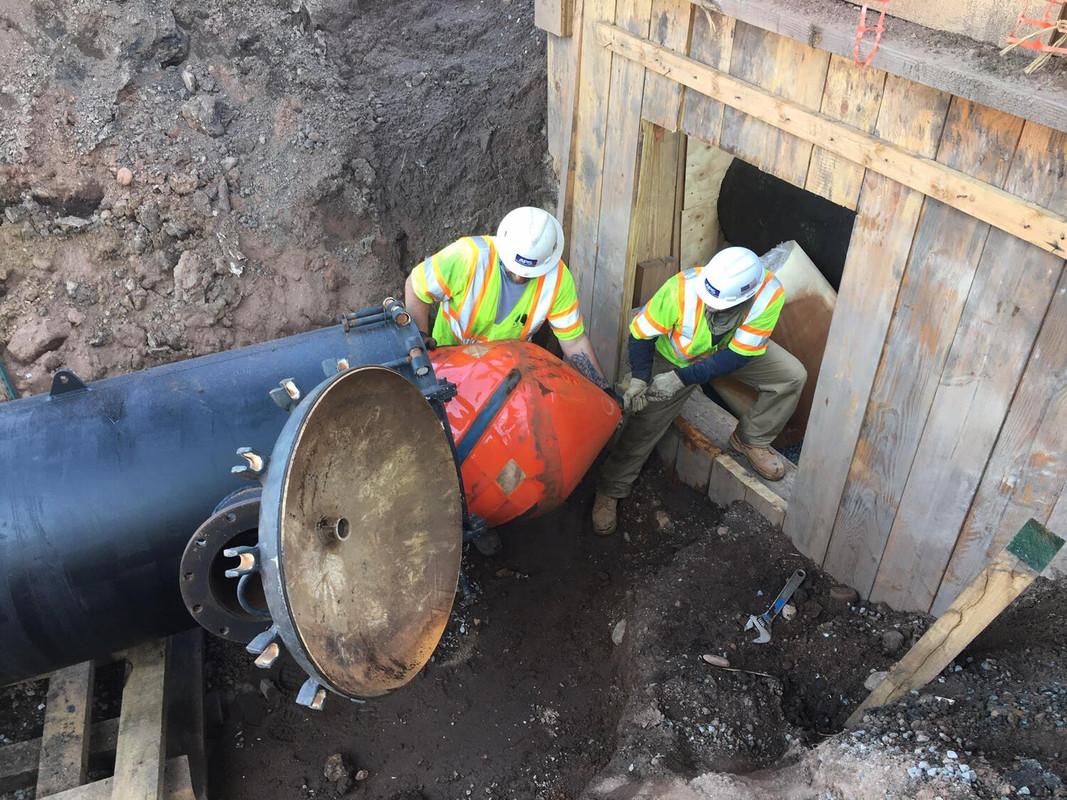
A foam pig is a compressible pigging tool with a foam body designed to maintain contact with the pipe wall. It travels through the line driven by differential pressure and flow. As it moves, it wipes the internal surface and pushes liquid and debris forward toward the receiver.
Foam pigs are effective because they can deform slightly while still maintaining a sealing profile. That makes them ideal for pipelines with bends, slight internal variations, and minor diameter changes. They are also useful when the operator wants cleaning action without high scraping forces.
How Foam Pigs Create Cleaning Action
Foam pigs clean primarily by wiping and swabbing. The foam body presses against the pipe wall, loosening soft deposits and carrying them forward. In dewatering runs, the pig forms a moving “plug” that pushes water ahead of it.
Speed and contact consistency matter. If the pig moves too fast, wiping can become less effective and debris may bypass. If it moves too slowly, the pig may lose momentum or become more likely to stall in heavy deposit zones.
Common Applications Of Foam Pigging
Foam pigs are widely used because they can fit into many phases of pipeline work. They are not limited to a single purpose like batching or inspection. In practice, foam pigging often supports the broader goal of keeping pipelines clean, efficient, and ready for service.
Pipeline Dewatering And Drying Support
Foam pigs are frequently used to push water out of a pipeline after hydrostatic testing or maintenance. They can displace bulk water efficiently, reducing the time and effort needed for drying and final commissioning steps.
In some programs, foam pigging is combined with air or nitrogen drying to reduce residual moisture. This is especially important when the pipeline service is sensitive to water or when corrosion risk increases with moisture retention.
Routine Cleaning And Soft Deposit Removal
Foam pigs are well suited to removing soft debris, silt, sediment, and general buildup. For water and wastewater systems, they can help restore hydraulic capacity by pushing loose deposits out of the line before they harden or accumulate.
Routine foam pigging can also reduce operational surprises. Instead of waiting for flow decline or pressure anomalies, a consistent cleaning approach helps keep the pipeline predictable and easier to manage.
Pre-Inspection Preparation
Inline inspection and smart pigging depend on a clean internal environment. Deposits can mask wall conditions, create noisy sensor signals, and increase the risk of tool issues. Foam pigging is often used as an early-stage cleaning step to improve inspection readiness.
APS frequently uses foam pigs as part of progressive cleaning trains. The goal is to remove loose debris first, confirm the line is passable, and then escalate cleaning intensity only when it is justified by conditions.
Water And Force Main Support
In water and force main systems, foam pigging can be a gentle option for pushing out soft deposits and improving flow. However, not every deposit profile is foam-friendly. When biofilm and mineral buildup dominate, Ice Pigging™ may be a better option to restore internal cleanliness without relying on aggressive mechanical action.
APS evaluates each system based on internal condition, access points, and operational constraints. That ensures the method matches the main issue rather than forcing a one-size-fits-all approach.
Foam Pig Types And Configurations
Foam pigs are not all the same. Two main factors drive performance: density and surface configuration. Getting these right determines how much wiping force the pig applies, how durable it is, and how well it seals through the run.
Before picking a pig type, it helps to think about what you need most: gentle passability, stronger sweeping, or more aggressive wiping that can hold up in rough internal conditions. Foam pigging works best when selection is based on pipeline reality, not guesswork.
Light-Density Bare Foam Pigs (Swabs)
Light-density bare foam pigs, often called swabs, provide gentle wiping and are commonly used for light pipeline cleaning, displacement, and initial passability checks. They are effective where deposits are soft, and the primary goal is swabbing, water removal, or moving loose debris through the pipeline.
These pigs are ideal for early-stage foam pigging operations that require minimal resistance and maximum flexibility. They’re often the safest first pass when pipeline conditions are uncertain or when you want to confirm the line is piggable before escalating cleaning intensity.
Medium-Density Bare Foam Pigs
Medium-density bare foam pigs offer increased durability and cleaning capability while maintaining strong passability. Constructed from medium-density foam, they are well-suited for drying and sweeping loose debris, including more stubborn material that lighter swabs may leave behind.
Their added rigidity allows them to maintain consistent wall contact over long distances. That makes them effective for extended pipeline cleaning runs while still navigating varying system geometries, which is often a key requirement in real networks with bends and fittings.
Coated And Pattern-Coated Foam Pigs
Coated and pattern-coated foam pigs are designed for more aggressive pipeline cleaning and routine maintenance. Constructed from open-cell polyurethane foam with a durable polyurethane elastomer coating (commonly applied in a criss-cross pattern), these pigs are available in light, medium, and heavy densities to match pipeline conditions.
The coating improves wear resistance and wiping efficiency, which matters on longer runs and rougher internal pipe conditions. Pattern designs help maintain consistent wall contact and move debris effectively without creating excessive drag, which is a common tradeoff operators face when trying to increase cleaning force.
When pipelines require stronger cleaning action but still need controlled friction and predictable travel, coated and pattern-coated foam pigs are often the right step up from bare foam.
Brush, Bristle, And Abrasive Variants
Some foam pigs include brushing or abrasive elements to increase cleaning action on tougher deposits. These can be useful when basic foam wiping will not remove the buildup.
These configurations must be selected carefully, especially on older pipelines or lined systems. APS typically uses a staged approach, increasing aggressiveness only after the line condition is understood and returns confirm the deposit profile.
Special Shapes For Real Pipelines
Foam pigs may be shaped to support different run objectives. Some designs streamline launch and improve travel stability, while others are built for stronger displacement or specific directional needs.
APS selects shapes based on geometry, access points, direction of travel, and the specific goal of the run. The best foam pig is the one that completes the run safely and delivers the cleaning outcome you need.
How To Choose The Right Foam Pig For Your Pipeline
Foam pig selection should follow a clear decision path. The most common failures in foam pigging—weak cleaning results, excessive wear, slow travel, or stuck pigs—often trace back to selection that did not match the pipeline reality.
A good selection process starts with the pipeline itself. It then aligns density and configuration with deposit behavior and operational constraints so cleaning improves without introducing unnecessary risk.
Start With The Pipeline
Pipeline diameter, bends, fittings, valves, and diameter transitions all influence foam pig performance. Tight geometry may favor more flexible options, while long straight runs may allow denser, more durable pigs.
Access points matter just as much. Launch and receive locations determine what sizes and configurations are practical. Operational flow and pressure limits determine whether the pig can be driven at a stable speed without creating excessive differential pressure.
Match The Pig To The Deposit
Soft debris, sediment, and light biofilm can often be addressed with swabbing and displacement. Harder deposits, mineral scale, and heavy buildup may require moving from light-density swabs to medium-density foam or coated/pattern-coated designs for stronger wiping and durability.
APS often recommends staged runs. A lighter swab may be used first to confirm passability and remove loose debris. If returns indicate heavier buildup, the next run may shift to medium-density foam or coated designs that maintain consistent wall contact on longer runs.
Consider Risk Factors Up Front
Older pipelines, unknown restrictions, fragile liners, and limited operating control increase risk. In these conditions, it is usually better to begin conservatively, evaluate results, and adjust.
If a pig is slow, returns are unusual, or pressure behavior indicates trouble, the right move is to reassess pig choice and pipeline condition. APS builds these decision points into run planning so safety and performance stay aligned.
Foam Pigging Procedure Overview
Foam pigging can look simple from a distance, but successful runs follow a disciplined sequence. The procedure does not need to be complicated, but it does need to be consistent.
APS plans foam pigging runs with safety, repeatability, and measurable outcomes in mind. That includes pre-run checks, monitored run conditions, and post-run evaluation that informs what happens next.
Pre-Run Planning And Setup
Pre-run planning confirms piggability, identifies constraints, and defines run objectives. The team verifies launcher and receiver readiness, confirms pressure control and venting procedures, and establishes monitoring plans for pressure and flow during the run.
APS also aligns expectations. If the goal is dewatering, success looks different than if the goal is deposit removal. Clear objectives prevent confusion and make it easier to decide whether additional runs are needed.
Running The Pig And Monitoring Performance
During the run, pressure and flow are monitored to maintain stable pig travel. Tracking may be used depending on the system and run length. The goal is to prevent speed swings, avoid unexpected pressure spikes, and ensure the pig reaches the receiver safely.
In many systems, the best indicator of performance is what happens at the receiver. The pig condition, debris volume, and type of returns provide immediate insight into how the internal environment is changing.
Post-Run Evaluation
Post-run evaluation is where foam pigging becomes a repeatable program rather than a single attempt. APS reviews the condition of the pig, the volume and nature of debris, and the behavior of pressure and flow during travel.
This evaluation determines next steps. In some cases, another foam run is recommended. In others, conditions suggest moving to different cleaning pigs, shifting to Ice Pigging™, or planning for inspection readiness.
Foam Pigging Vs Other Cleaning Methods
Foam pigging is powerful, but it is not always the right answer. It is important to understand when foam is a best fit and when another method will achieve better results.
Foam Pigging Vs Jetting
Jetting can be effective in certain applications, especially where access allows direct cleaning of limited segments. Foam pigging often becomes more practical when the pipeline is long, access points are limited, or a full-length cleaning pass is required.
APS helps operators choose based on outcomes, not habit. The best approach is the one that restores performance safely, fits operational constraints, and supports downstream goals like inspection or rehabilitation planning.
When Foam Isn’t Enough
Foam pigging may not remove heavy mineral scale or severe wax buildup in a single pass. It may also struggle in pipelines with restrictions that reduce passability or in systems where debris loads are unusually high.
When foam isn’t enough, the answer is not always “more aggressive foam.” Sometimes the right move is a staged cleaning train. Sometimes it is Ice Pigging™ for water mains with heavy biofilm and mineral deposits. Sometimes it is a different cleaning strategy entirely.
Common Foam Pigging Problems And How To Avoid Them
The most common foam pigging issues are predictable. They can usually be prevented with better planning, better selection, and disciplined monitoring.
Stuck Pigs And Slow Runs
Slow runs and stuck pigs often result from restrictions, heavy deposits, insufficient flow, or over-aggressive pig selection. The safest prevention is a staged approach, starting with swabs or medium-density foam to confirm conditions and escalating based on evidence.
APS also reduces risk by planning around operational constraints. If the system cannot support stable drive pressure, pig choice must reflect that reality.
Bypass And Weak Cleaning Results
If a foam pig does not maintain consistent wall contact, debris and water can bypass around it. This can happen when density is too low for the pipeline condition or when speed becomes unstable.
Stable speed, correct density, and the right configuration—especially coated/pattern-coated designs for longer runs—are key to strong wiping performance.
Excessive Wear Or Damage
Rapid foam wear can signal sharp internal features, rough surfaces, or deposits that are harder than expected. It can also indicate that the pig configuration is too aggressive for the line’s condition.
When foam damage is excessive, the best move is to stop and reassess. Continuing with the same approach may increase risk and reduce cleaning efficiency.
How APS Uses Foam Pigging In Real Pipeline Programs
Foam pigging is one of APS’s most frequently used tools because it fits into so many pipeline programs. But the key difference is how it is used. APS applies foam pigging as part of engineered workflows that support cleaning, inspection, and long-term integrity.
APS designs progressive cleaning trains that start with passability and build toward deeper cleaning results. Foam pigs often lead the sequence, especially where early-stage swabbing and controlled displacement are needed.
Foam pigging is also a common first stage for inspection readiness. By reducing debris and soft deposits, foam runs can improve smart pigging performance and reduce tool risk. APS integrates these runs with Pipeline Inspection / Pipeline Condition Analysis and mapping so results support real integrity decisions.
For water and force mains, APS evaluates whether foam pigging or Ice Pigging™ is the better tool based on deposits and system constraints. In pre-commissioning, foam pigging supports cleaning, displacement, and dewatering sequences so new lines enter service clean and verified.
Pipeline Experts: Inspection, Cleaning, Coating & More
Certified solutions for inspection, pre-commissioning, cleaning, internal coating, ice pigging™, mapping, and turnkey pipeline projects—maximizing safety and reliability at every stage.
Frequently Asked Questions About Foam Pigs
What Are Foam Pigs Used For In Pipeline Cleaning?
Foam pigs are used for gentle wiping, displacement, dewatering, drying support, and early-stage cleaning. They are also used to prepare pipelines for inspection by removing loose debris and soft buildup.
How Do I Choose The Right Foam Pig Density?
Light-density swabs are best for gentle wiping, water removal, and passability checks. Medium-density foam increases durability and sweeping performance. Coated and pattern-coated pigs provide stronger wiping and wear resistance, especially on longer runs and rough internal conditions.
Are Foam Pigs Safe For Older Or Lined Pipelines?
Foam pigs are often a good fit for older or lined systems because they can clean without aggressive scraping. APS evaluates restrictions, liner condition, deposits, and drive capability before selecting density and configuration.
How Far Can A Foam Pig Travel In A Single Run?
Foam pigs can travel long distances when the pipeline is piggable and drive conditions are stable. Actual run distance depends on diameter, geometry, deposits, and available flow and pressure.
Can Foam Pigging Be Used Before Smart Pigging Inspections/
Yes. Foam pigging is commonly used before smart pigging to remove loose debris and soft deposits that interfere with sensor readings. Clean pipelines support better inspection data and safer runs.
What Causes Foam Pigs To Get Stuck?
Restrictions, severe deposits, insufficient flow, unstable speed, and mismatched pig selection are common causes. Staged runs and careful planning reduce this risk significantly.
Need A Foam Pigging Plan That Works In The Field?
Foam pigging success is rarely about one perfect pig. It is about selecting the right density and configuration, running it under stable conditions, and using returns and run behavior to guide the next step.
American Pipeline Solutions provides engineered pipeline cleaning programs that incorporate light-density swabs, medium-density foam pigs, and coated/pattern-coated designs alongside conventional pigging, Ice Pigging™, smart pigging, Pipeline Inspection / Pipeline Condition Analysis, pre-commissioning support, internal coating, and mapping.
If you need a practical plan to restore performance, prepare for inspection, or support commissioning, APS is ready to help you choose the right approach and execute it safely from start to finish.


