
When Are Pipelines Unpiggable? Possible Solutions

Pipeline maintenance and integrity testing are checks that should be performed regularly to ensure the optimal functioning of your pipeline system. Although pipelines are made of heavy-duty metal or plastic materials, they are still prone to wear and tear from years of use. At some point in your pipeline's operation, when it experiences low flow or stops functioning completely, you will have to apply various pigging solutions to clear out debris that might have accumulated.
However, simply cleaning out your pipelines doesn't always work out seamlessly. When a pipeline becomes ridden with tuberculation or the blockage is too huge, it becomes unpiggable, requiring more complex solutions.
In this article, we discuss the different scenarios that make a pipeline unpiggable and how they can be addressed.
Pipeline Experts: Inspection, Cleaning, Coating & More
Certified solutions for inspection, pre-commissioning, cleaning, internal coating, ice pigging™, mapping, and turnkey pipeline projects—maximizing safety and reliability at every stage.
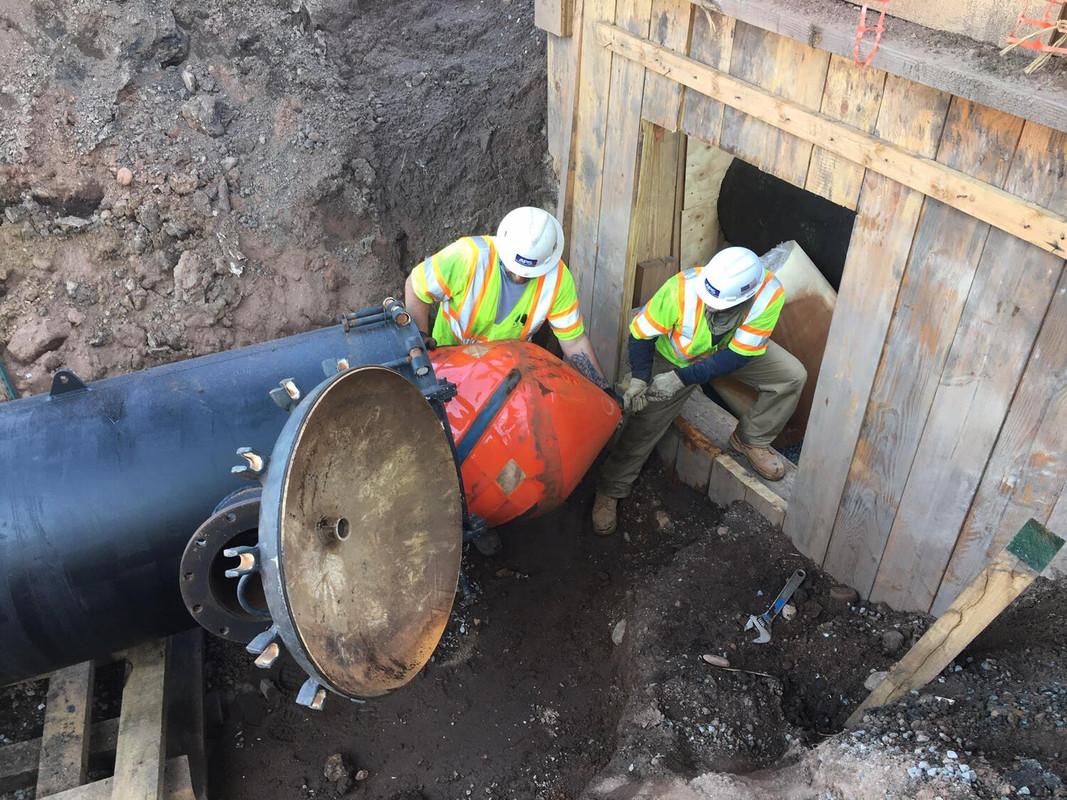
When Are Pipelines Unpiggable?
If there is too much tuberculation or a total blockage in the line, it can become unpiggable. Most line issues can be pigged, but sometimes, steps need to be taken first to make pigging feasible. One such approach is jetting the pipeline first, which involves using high-pressure water jets to remove clogs, buildup, and debris. Hydro jetting is an eco-friendly way of clearing your pipes or preparing them prior to pigging.
If it has been a while since your pipeline was last maintenanced, total blockage and tuberculation can be expected. In this instance, your pipeline could be rendered unpiggable, even with pre-jetting. Below are some scenarios when pigging might not be possible.
Tuberculation in the Pipeline
Tuberculation happens when mounds of rust accumulate on the inside of your metal pipe, thus making it resistant to the flow of water. It is caused by the combination of bacteria and oxygen and can become so large and hardened that it obstructs water movement, rendering your pipeline eventually useless.
There are many ways to address tuberculation, but one of the most effective is the Picote cleaning process. In this procedure, a camera is used to inspect the pipeline and determine its readiness for a cleanout. When the extent of the debris is identified, a section of the pipeline is removed, usually along the 90-degree bend, and the Picote machine is attached to begin the process.
However, not all tuberculated pipelines are piggable; those built in the 70s, and earlier, usually need to be replaced completely. Minor tuberculation issues can still be addressed through pipe descaling, but when the problem has become so large on a pipe that's well past its lifespan, it's more practical to declare it unpiggable.

Pig is Blocked From Passing Through the Pipeline
If a pipeline is completely blocked, it becomes unpiggable. In order to travel through a line, the flow should be present by at least 30% to facilitate movement. In this scenario, the best alternative to pigging pipelines would be to remove the section that contains the blockage and clear it externally or replace the entire area.
Unconventional Valve Structures
Another reason why a pipeline could become unpiggable is the structure of the valves themselves. Eccentric plug valves and butterfly valves are uniquely designed that pigging equipment isn’t able to pass through. To clean this area, specialists would have to pig between the valves or take them out and replace them with full port units to allow for pig passage; however, Ice Pigging™ (another APS service offering) is another viable alternative to this specific problem.
Short Diameter Pipes
When your pipes are small and short, measuring 10 inches or less, pigging might not be a practical cleanout option. To pig effectively, you need a good launch location and a retrieval location, which isn't possible with a short pipe. Although unpiggable, the site can still be cleaned out using the Picote process.
Pipeline Experts: Inspection, Cleaning, Coating & More
Certified solutions for inspection, pre-commissioning, cleaning, internal coating, ice pigging™, mapping, and turnkey pipeline projects—maximizing safety and reliability at every stage.
Next Steps for Unpiggable Pipelines
With the advancements in pipeline cleaning and maintenance technology, the term "unpiggable" has started to lose its finality. Pipeline experts argue that there's no such thing as unpiggable pipelines, only those that are tricky to manage and will require unique interventions.
APS provides pigging solutions for pipelines of any size, structure, and issue. We have several options based on the problem and why the pipe needs to be pigged (or cleaned out using alternative techniques). Using our smart solutions, let us help you track the problem at the source and find the most efficient and safe cleanout strategies that will keep your pipelines in top condition for many years to come.
Contact American Pipeline Solutions and learn more about our unique pipeline pigging and cleanout solutions.
FAQs
What does it mean when a pipeline is “unpiggable”?
A pipeline is often called “unpiggable” when conventional pigging tools can’t safely or effectively pass through it. This can be due to heavy tuberculation, total blockages, small or short pipe runs, or restrictive features like eccentric plug or butterfly valves. In practice, “unpiggable” usually means the line needs extra preparation or alternative cleaning methods before pigging becomes feasible.
What are the most common reasons a pipeline becomes unpiggable?
Pipelines typically become unpiggable when there is severe tuberculation, complete blockage, complex or unconventional valves, or short pipe sections that don’t allow proper launching and receiving of pigs. Long periods without maintenance increase the likelihood of heavy buildup and obstructions that standard pigging tools cannot safely navigate.
Can an unpiggable pipeline ever be pigged again?
In many cases, yes. The pipeline may first need pre-cleaning (such as high-pressure jetting), localized repairs, valve changes, or alternative cleaning methods like Picote tools or Ice Pigging™. Once restrictions are reduced and suitable launch/receive points exist, a line that was considered unpiggable can often be transitioned back to piggable status with the right plan.
How does tuberculation make a pipeline unpiggable?
Tuberculation creates hardened mounds of rust on the inside of metal pipes. Over time, these mounds restrict flow, catch debris, and can physically block pigs from passing through. On older lines, especially those near or past their expected service life, tuberculation may be so extensive that full replacement is more practical than attempting pigging or descaling.
What are the options when a pig can’t pass because of a total blockage?
When a pig is blocked by a complete obstruction, operators usually have to locate the blocked section, isolate it, and either mechanically clear it from the outside or replace that segment of pipe. In some cases, pre-jetting or specialized cleaning tools can reduce the blockage, but if flow cannot be restored to a minimum level, conventional pigging is not a safe option.
Why do certain valves prevent pigging, and what can be done about them?
Valves like eccentric plug valves and butterfly valves have internal shapes that pigs can’t safely pass through. To clean these areas, crews may pig between the valves, remove and replace them with full port valves, or use alternative methods such as Ice Pigging™ that can navigate complex internals without solid pigs needing to pass through the valve body.
Why are short or small-diameter pipes often considered unpiggable?
Short runs of small-diameter pipe (for example, 10 inches or less with limited length) rarely provide enough space for a proper launcher, receiver, and safe pig control. In these cases, traditional pigging is impractical. Instead, techniques like Picote cleaning, high-pressure jetting, or other specialized tools are used to remove buildup and restore function.
How do Picote tools help with unpiggable lines?
Picote equipment uses rotating tools inserted from access points to mechanically descale and clean the pipe interior. For heavily tuberculated or short sections where pigs cannot be launched, Picote tools allow targeted removal of rust and buildup. They are particularly useful for older lines or small-diameter pipelines that would otherwise be considered unpiggable.
How can APS help if my line has been labeled unpiggable?
APS evaluates why the line is considered unpiggable—whether it’s tuberculation, blockage, valve design, or layout—and then recommends a combination of jetting, Picote cleaning, Ice Pigging™, sectional replacement, or valve changes. The goal is to restore flow safely and, where appropriate, return the pipeline to a condition where pigging and routine maintenance are once again possible.


