
CCTV vs. Other Pipe Inspection Methods: When Is Video The Right Tool?
A pipeline may appear to operate normally while corrosion, sediment, cracks, or other defects develop inside it. For municipal utilities and industrial operators, identifying these problems early is essential for maintaining reliable infrastructure and avoiding unexpected repairs.
CCTV pipe inspection provides a direct view of a pipeline's interior, making it useful for identifying visible damage, blockages, and deterioration. However, cameras cannot reveal every problem, particularly when defects are hidden within pipe walls or submerged beneath water.
Understanding how CCTV compares with sonar, laser profiling, and smart pigging helps operators select the appropriate inspection method for their pipeline's condition and maintenance requirements.
What Is CCTV Pipe Inspection?
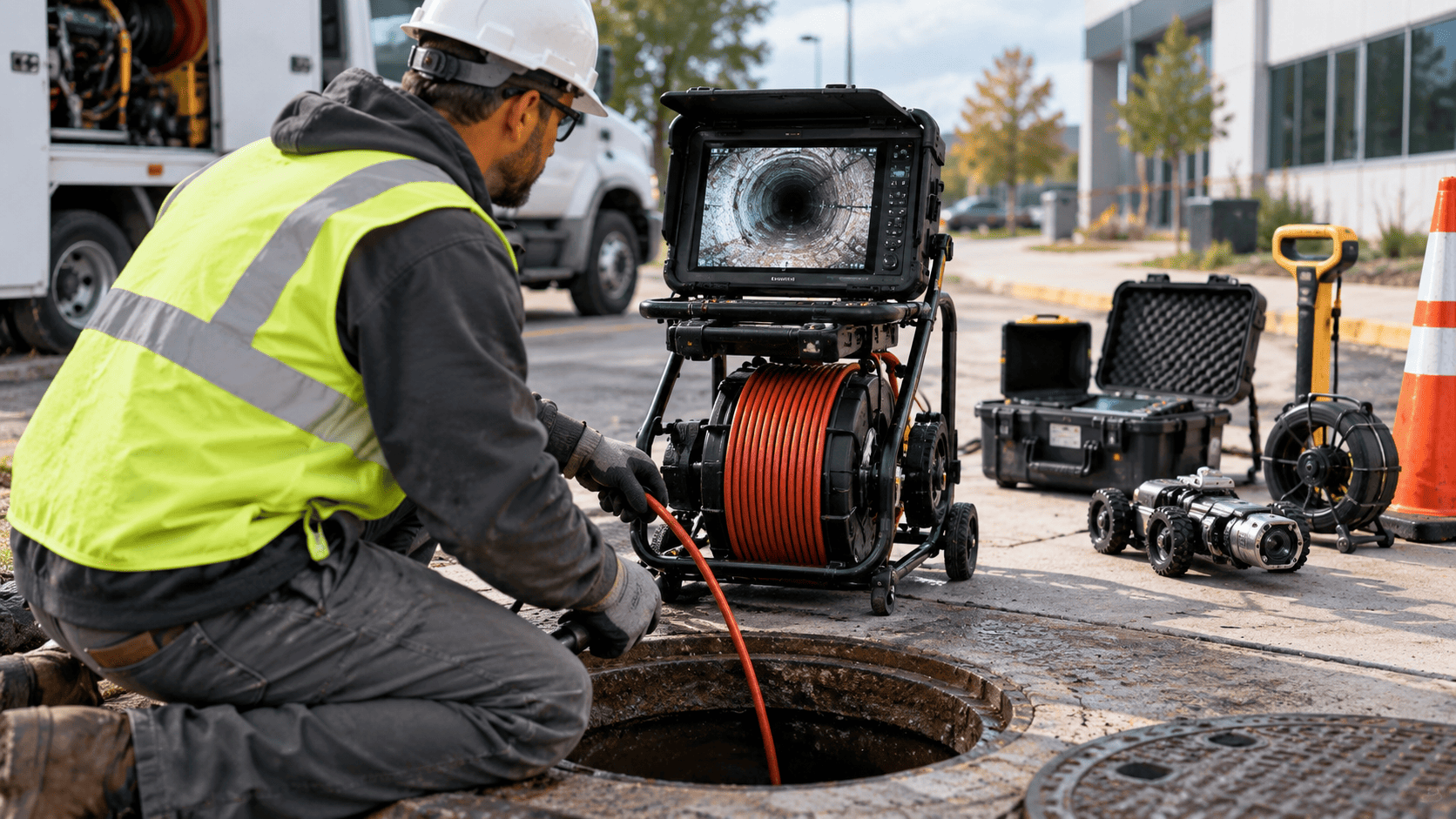
Closed-circuit television (CCTV) inspection uses specialized cameras to examine and record the interior of pipelines. Depending on pipe diameter and access, technicians may deploy robotic crawlers, push cameras, or other inspection equipment.
CCTV is widely used for gravity sewers, storm drains, and accessible industrial piping. It provides visual evidence of existing conditions and helps operators determine whether cleaning, repairs, or further testing are necessary.
What Can CCTV Detect?
CCTV inspection is particularly effective for identifying visible problems, including:
Cracks, fractures, and displaced joints
Tree root intrusion and accumulated debris
Sediment, grease, and other deposits
Visible corrosion and surface deterioration
Obstructions and apparent structural deformation
Recorded footage can document defect locations and provide a reference for future inspections. However, visual evidence alone may not establish the full extent of structural deterioration.
When Is CCTV The Right Inspection Method?
Video inspection is most useful when the suspected problem is visible and the camera can reach the affected section. It is often an appropriate starting point for assessing sewer conditions and planning maintenance.
Routine Sewer And Storm Drain Inspections
Municipal utilities use CCTV to assess gravity sewers, identify developing obstructions, and document deterioration. Regular inspections help maintenance teams prioritize cleaning and investigate sections experiencing recurring problems.
CCTV also supports rehabilitation planning by providing visual evidence of damaged joints, cracks, and other accessible defects before repairs begin.
Investigating Blockages And Verifying Cleaning
When a pipeline experiences recurring blockages, CCTV can help identify the location and possible cause. It may reveal accumulated grease, root intrusion, displaced joints, or debris restricting flow.
Following cleaning, another camera inspection can help confirm that visible deposits have been removed. However, a clear video does not necessarily establish that the pipeline is structurally sound.
What Are The Limitations Of CCTV Pipe Inspection?
Although video inspection provides valuable information, it cannot measure every defect or assess every operating condition. Relying exclusively on CCTV may leave important questions about pipeline integrity unanswered.
Hidden Corrosion And Wall Thickness
A camera can identify visible rust, deposits, and surface deterioration, but it cannot reliably measure remaining pipe wall thickness or detect corrosion hidden beneath the surface.
When operators suspect significant metal loss, a suitable sensor-based inspection method may be necessary to evaluate the pipeline's structural condition.
Submerged And Pressurized Pipelines
Standing water, sediment, and poor visibility can obscure defects during conventional CCTV inspections. Cameras may document the exposed portion of a sewer while providing little information about submerged surfaces.
Pressurized pipelines introduce additional challenges involving access, isolation, pressure, and equipment compatibility. Specialized inspection technologies may be more appropriate for these conditions.
CCTV Vs. Other Pipe Inspection Methods
Different inspection technologies answer different questions. Choosing between them depends on pipeline material, operating conditions, suspected defects, and the information required for maintenance decisions.
CCTV Vs. Sonar Inspection
Sonar inspection uses acoustic signals to assess submerged pipeline sections where conventional cameras have limited visibility. It is particularly useful in large sewers and interceptors that cannot easily be drained.
Combining CCTV and sonar can provide information about both exposed and submerged internal surfaces, resulting in a more complete assessment of suitable sewer systems.
CCTV Vs. Laser Profiling
Laser profiling measures internal pipe geometry, helping identify ovality, deformation, diameter changes, and joint displacement. Unlike ordinary video, calibrated laser systems can provide quantitative measurements for engineering assessments.
CCTV and laser profiling are complementary. Video documents visible conditions, while laser measurements help determine the extent of geometric changes.
CCTV Vs. Smart Pigging
Smart pigging uses instrumented inspection tools that travel through compatible pipelines and collect condition data. Depending on the sensors selected, these tools can identify metal loss, corrosion, wall thickness changes, and geometric abnormalities.
Unlike conventional cameras, appropriate smart pigs can detect certain defects that are not visible on the internal surface. APS provides smart pigging services for pipeline condition assessments where sensor-based inspection is appropriate.
However, not every smart pig detects every defect. Inspection technology must be matched to the pipe material and suspected deterioration.
Which Inspection Method Does Your Pipeline Need?
A gravity sewer experiencing recurring blockages may benefit from CCTV inspection. A large sewer containing substantial standing water may require sonar, while a pipeline showing signs of deformation may need laser profiling.
For metallic pipelines with suspected corrosion or wall loss, appropriate in-line inspection technologies can provide information beyond what cameras reveal. Operators investigating these conditions should understand the capabilities and limitations of MFL inspection before selecting a method.
Some pipelines also present access restrictions, tight bends, diameter changes, or other obstacles that prevent standard equipment from traveling through the line. These challenging inspection conditions may require specialized equipment or a combination of assessment techniques.
The goal is to select a method that answers the operator's specific questions rather than choosing equipment based solely on availability.
Should Pipelines Be Cleaned Before Inspection?
Deposits, sediment, and accumulated debris can obstruct camera visibility and interfere with certain sensor-based inspections. Cleaning beforehand may improve access to internal surfaces and produce more useful inspection data.
However, aggressive cleaning is not always the appropriate first step. Where internal conditions are uncertain, a preliminary inspection may help operators identify restrictions and determine a suitable cleaning strategy.
For compatible systems, foam pigs used for pipeline cleaning can remove loose deposits and support preparation for subsequent inspections.
Cleaning requirements should always reflect the pipeline's condition, the inspection method, and the risks associated with dislodging accumulated material.
How American Pipeline Solutions Supports Pipeline Inspection
American Pipeline Solutions helps municipal utilities, industrial operators, and oil and gas companies evaluate pipeline conditions and determine appropriate maintenance strategies.
Our pipeline inspection services include camera inspection, smart pigging, condition analysis, and specialized inspection support. Depending on project requirements, our team can integrate inspection with pipeline cleaning, gauging, leak detection, and integrity testing.
Every pipeline presents different challenges. APS evaluates pipe material, diameter, configuration, operating conditions, and suspected defects to develop an inspection approach suited to the system.
Our objective is to provide useful condition information that supports informed maintenance decisions, protects infrastructure, and reduces avoidable operational disruptions.
Frequently Asked Questions
Can CCTV Inspection Detect Pipe Corrosion?
CCTV can identify visible corrosion, rust, and surface deterioration. However, it cannot reliably quantify remaining wall thickness or identify every hidden defect. Suitable ultrasonic, electromagnetic, or other sensor-based technologies may be needed for a more detailed assessment.
Can CCTV Inspect A Pipe Full Of Water?
Conventional CCTV has limited visibility when pipe surfaces are submerged, particularly in turbid water. Sonar inspection may be more appropriate for evaluating submerged sections of large sewers and other compatible pipelines.
What Is The Difference Between CCTV And Smart Pigging?
CCTV records visible internal conditions using cameras. Smart pigging uses specialized sensors to collect information about pipeline geometry, corrosion, metal loss, and other defects, depending on the tool's capabilities.
Can CCTV Measure Pipe Wall Thickness?
No. Conventional CCTV cannot directly measure remaining wall thickness. Operators requiring this information should consider an appropriate nondestructive inspection method selected for their pipe material and operating conditions.
Should A Sewer Be Cleaned Before CCTV Inspection?
Cleaning is often beneficial when debris or deposits obstruct camera visibility. However, an initial inspection may be appropriate before cleaning when the condition of the pipeline is unknown or existing deposits need to be documented.
Is CCTV Suitable For Pressurized Pipelines?
CCTV may be suitable for certain pressure pipelines when appropriate access and operating conditions can be established. Specialized in-line inspection or acoustic technologies may be preferable when isolation is impractical or hidden defects are suspected.
Request A Pipeline Inspection Consultation
Choosing the appropriate inspection method starts with understanding your pipeline and the problem you need to investigate. American Pipeline Solutions can help determine whether your project requires visual inspection, sensor-based condition analysis, or additional preparation.
Contact APS to discuss your pipeline inspection requirements and develop an approach suited to your system.


