
Pipelines Through Time: Cast Iron, Ductile Iron, And The Corrosion Challenge That Never Went Away
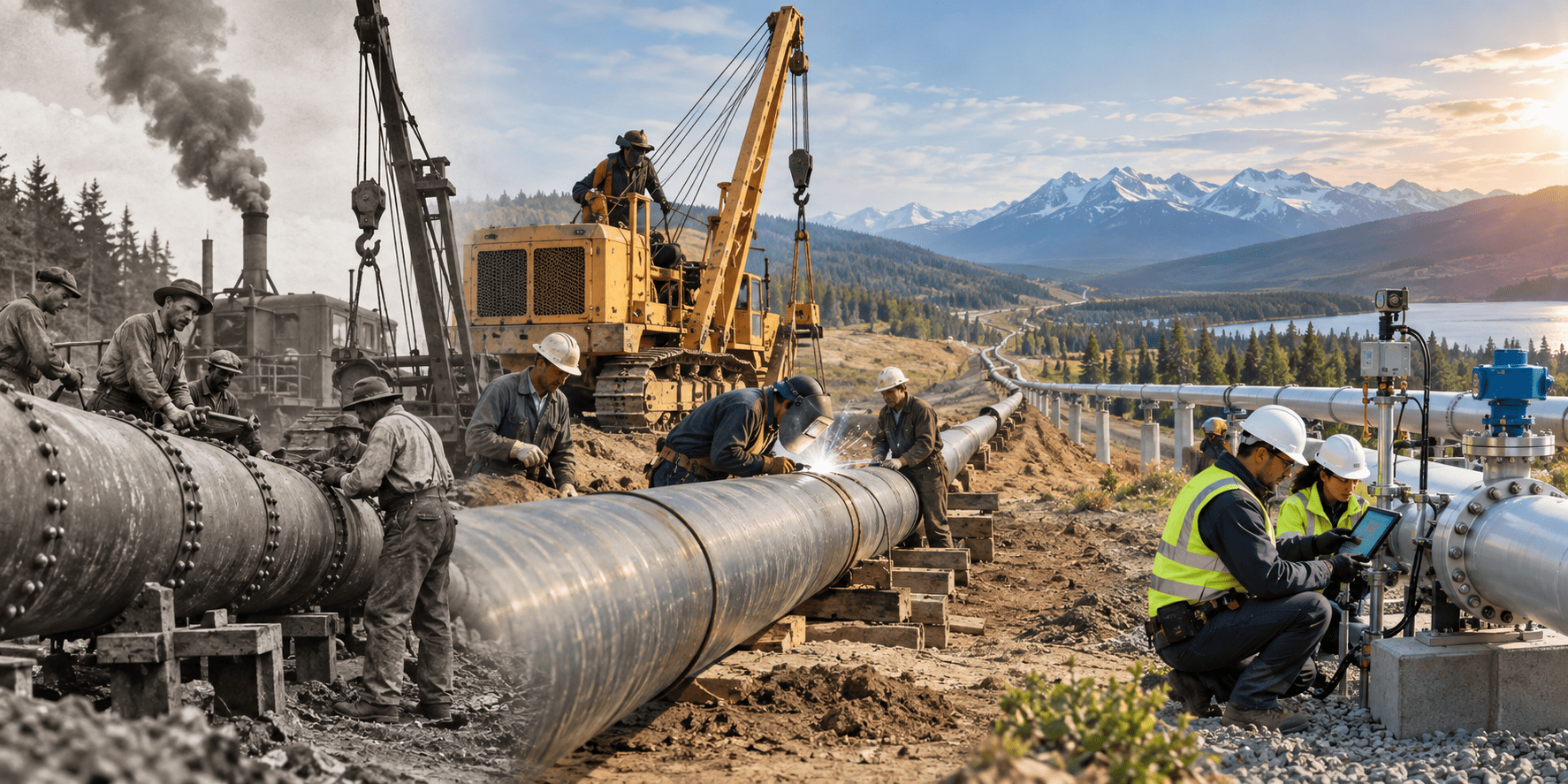
America's water infrastructure tells a story of engineering progress. From cast iron water mains installed more than a century ago to modern ductile iron pipelines, each generation of pipe brought improvements in strength, durability, and performance. Yet one challenge has remained remarkably persistent: corrosion.
Despite advances in manufacturing, pipe materials, and protective coatings, aging iron pipelines continue to experience internal deterioration, mineral buildup, and structural damage. For municipal water utilities and industrial operators, understanding these challenges is essential to maintaining reliable infrastructure.
The history of cast iron and ductile iron pipes reveals an important lesson. Stronger materials improved pipeline performance, but protecting those pipelines still requires proper inspection, cleaning, and long-term maintenance.
The Evolution Of Cast Iron And Ductile Iron Pipelines
Iron pipelines have transported water for centuries. Their widespread adoption helped cities develop reliable water distribution networks, but improvements in manufacturing eventually introduced a stronger alternative.
Cast Iron: The Foundation Of Early Water Infrastructure
Cast iron became a widely used material for municipal water mains during the nineteenth and early twentieth centuries. Its strength, durability, and ability to withstand underground conditions made it an attractive choice for expanding water distribution systems.
Many of these pipelines remain operational today. However, traditional gray cast iron has a relatively brittle structure, making it more susceptible to fracture under certain mechanical stresses, particularly when corrosion has weakened the pipe.
Ductile Iron: A Major Advancement In Pipe Manufacturing
Ductile iron entered the commercial pipeline market in 1955, offering greater strength, flexibility, and resistance to sudden fracture. Its development changed the way engineers designed and installed water distribution infrastructure.
The difference lies largely in the material's internal structure. Traditional gray cast iron contains graphite flakes, while ductile iron contains rounded graphite nodules. This change allows ductile iron to withstand greater deformation before breaking.
However, greater mechanical strength does not make ductile iron immune to corrosion.
Cast Iron Vs Ductile Iron: What Actually Changed?
Both materials are iron-based, but their mechanical properties differ considerably. These differences affect how pipelines respond to pressure, external loads, ground movement, and structural deterioration.
Cast Iron Vs Ductile Iron: What Actually Changed?
Both materials are iron-based, but their mechanical properties differ considerably. These differences affect how pipelines respond to pressure, external loads, ground movement, and structural deterioration.
Ductile iron addressed several important limitations of traditional cast iron. Nevertheless, both materials can deteriorate when exposed to aggressive soils, unfavorable water chemistry, or inadequate corrosion protection.
For pipeline operators, the critical question is not simply which material is stronger. It is how well the existing pipeline has performed under its actual operating conditions.
Why Corrosion Remains A Challenge For Iron Pipelines
Corrosion develops when iron reacts with its surrounding environment. The rate and severity depend on several factors, including water chemistry, soil conditions, protective linings, and the pipeline's service history.
Importantly, corrosion can attack pipelines from both the inside and outside, creating different maintenance and structural concerns.
Internal Corrosion And Tuberculation
Internal corrosion occurs when water interacts with exposed iron surfaces. Over time, corrosion products and mineral deposits can accumulate along the interior walls, forming irregular, rust-colored deposits known as tuberculation.
As these deposits grow, they reduce the effective internal diameter of the pipeline, restrict flow, and increase resistance within the system. Severe buildup can become a significant problem for municipal water mains, industrial pipelines, and fire protection systems.
Professional tuberculation removal can help restore hydraulic capacity in suitable pipelines. However, cleaning must account for the underlying pipe condition because removing heavy deposits may expose existing corrosion damage.
External Corrosion And Structural Deterioration
While internal corrosion affects water flow and pipe surfaces, external corrosion attacks pipelines from the surrounding soil.
Soil moisture, chemical composition, oxygen availability, and environmental conditions can contribute to localized pitting and progressive wall loss. Over time, these defects may reduce the pipeline's ability to withstand operating pressures and external loads.
In gray cast iron, graphitic corrosion can leave behind a weakened graphite-rich structure that retains much of the pipe's original appearance. This makes deterioration difficult to assess through appearance alone.
The EPA's research on ferrous water pipelines identifies both internal and external corrosion as significant considerations in pipeline condition assessment.
Why Some Older Cast Iron Pipelines Outlast Newer Pipes
Pipeline age alone does not determine remaining service life. Some cast iron mains installed more than a century ago continue operating, while newer pipelines may experience premature deterioration under unfavorable conditions.
Original wall thickness, manufacturing quality, installation practices, soil characteristics, operating pressures, and corrosion protection all influence performance.
An older cast iron pipeline installed in relatively favorable soil conditions may remain structurally sound, while a newer ductile iron main exposed to aggressive corrosion conditions may require earlier intervention.
Consequently, utilities should evaluate actual pipeline condition rather than automatically replacing infrastructure based solely on installation dates.
Warning Signs Of Corrosion In Aging Water Mains
Corrosion frequently develops gradually. Municipalities and industrial operators may notice changes in pipeline performance long before a complete failure occurs.
Common warning signs include:
Persistent water discoloration or recurring sediment.
Reduced water flow or declining hydraulic performance.
Repeated leaks, pipe breaks, or localized failures.
Corrosion deposits discovered during pipeline maintenance.
Increasing pumping requirements or failed fire flow tests.
These symptoms do not automatically indicate severe structural corrosion. However, they provide valuable reasons to investigate the pipeline before problems become more expensive.
How Pipeline Inspection Supports Better Maintenance Decisions
Understanding the condition of existing infrastructure is essential when deciding whether a pipeline needs cleaning, rehabilitation, or replacement.
Professional pipeline inspection and condition analysis can help identify deterioration, internal deposits, geometric irregularities, and other issues affecting pipeline performance.
Depending on the pipe material and inspection requirements, suitable methods may include camera inspection, electromagnetic sensors, caliper measurements, and other specialized technologies.
Inspection findings help utilities prioritize maintenance, investigate potential structural concerns, and determine whether an existing pipeline is suitable for rehabilitation.
Cleaning, Coating, Or Replacement: Choosing The Right Solution
Not every corroded pipeline requires complete replacement. In many cases, appropriately selected cleaning or rehabilitation methods can address specific operational problems while preserving existing infrastructure.
The appropriate approach depends on the severity of corrosion, remaining wall thickness, pipeline configuration, and operating requirements.
Restoring Flow Through Pipeline Cleaning
When accumulated sediment and corrosion deposits restrict water flow, professional cleaning may improve hydraulic performance.
APS has documented a Montgomery County, Maryland, project involving cast iron water mains that had served the community for more than 60 years. Severe tuberculation had reduced flow from approximately 800 to 130 gallons per minute in certain sections.
The project combined high-pressure jetting and foam pigging to remove deposits and restore hydraulic performance. The results illustrate how aging water main maintenance can address substantial restrictions without automatically requiring complete pipe replacement.
For appropriate systems with sediment, biofilm, or softer deposits, Ice Pigging™ offers another specialized cleaning approach.
Protecting Suitable Pipelines With Internal Coating
Cleaning removes existing deposits, but it does not replace metal already lost through corrosion. Once a pipeline has been inspected and properly prepared, internal coating may provide additional protection where the remaining pipe is suitable.
Professional internal pipe coating can create a protective barrier between the pipe wall and the transported fluid, helping reduce direct exposure of the internal surface.
However, internal coating does not repair significant external corrosion or automatically restore structural strength. Pipelines with extensive wall loss or other serious defects may require engineered rehabilitation or replacement.
How American Pipeline Solutions Helps Maintain Aging Infrastructure
American Pipeline Solutions provides specialized pipeline inspection, cleaning, and rehabilitation services for municipal, industrial, and other critical infrastructure systems throughout the United States.
Our team evaluates each pipeline's condition, operating requirements, and maintenance objectives before recommending an appropriate approach. Services include conventional pigging, Ice Pigging™, pipeline inspection, condition analysis, tuberculation removal, and internal pipe coating.
Whether a municipality is dealing with declining water main performance or an industrial operator needs to assess an aging pipeline, APS focuses on practical solutions that improve reliability while minimizing unnecessary disruption.
The objective is not simply to clean an old pipeline. It is to understand its condition and identify the most appropriate way to maintain its performance.
Frequently Asked Questions
Is Ductile Iron More Corrosion-Resistant Than Cast Iron?
Ductile iron has greater mechanical strength and flexibility than traditional gray cast iron, but it is still susceptible to corrosion. Its actual corrosion performance depends on environmental conditions, wall thickness, protective systems, and operating history.
How Long Do Cast Iron And Ductile Iron Pipes Last?
Both materials can remain in service for many decades, and some cast iron water mains have operated for more than a century. However, actual service life varies considerably. Pipe age, corrosion exposure, maintenance history, and remaining structural condition should guide replacement decisions.
Can Corroded Cast Iron Pipes Be Cleaned Instead Of Replaced?
Yes, when inspection confirms that the pipeline remains suitable for cleaning. Removing internal deposits can improve flow, while appropriate rehabilitation may help protect the existing pipe. Extensive structural deterioration, however, may require repair or replacement.
Does Internal Pipe Coating Stop External Corrosion?
No. Internal coating protects the pipe's interior surface when properly selected and applied. External corrosion requires separate assessment and, where appropriate, external protection or structural rehabilitation.
Protect Your Pipeline Infrastructure With APS
The transition from cast iron to ductile iron represented an important advancement in pipeline engineering, but it did not eliminate corrosion. Understanding the condition of existing infrastructure remains essential for maintaining reliable water distribution systems.
American Pipeline Solutions helps operators assess aging pipelines, address internal buildup, and evaluate appropriate maintenance and rehabilitation options.
Contact APS today to discuss your pipeline inspection, cleaning, or rehabilitation project.


