
Choosing the Best Pipeline Pigging Service: What to Look For
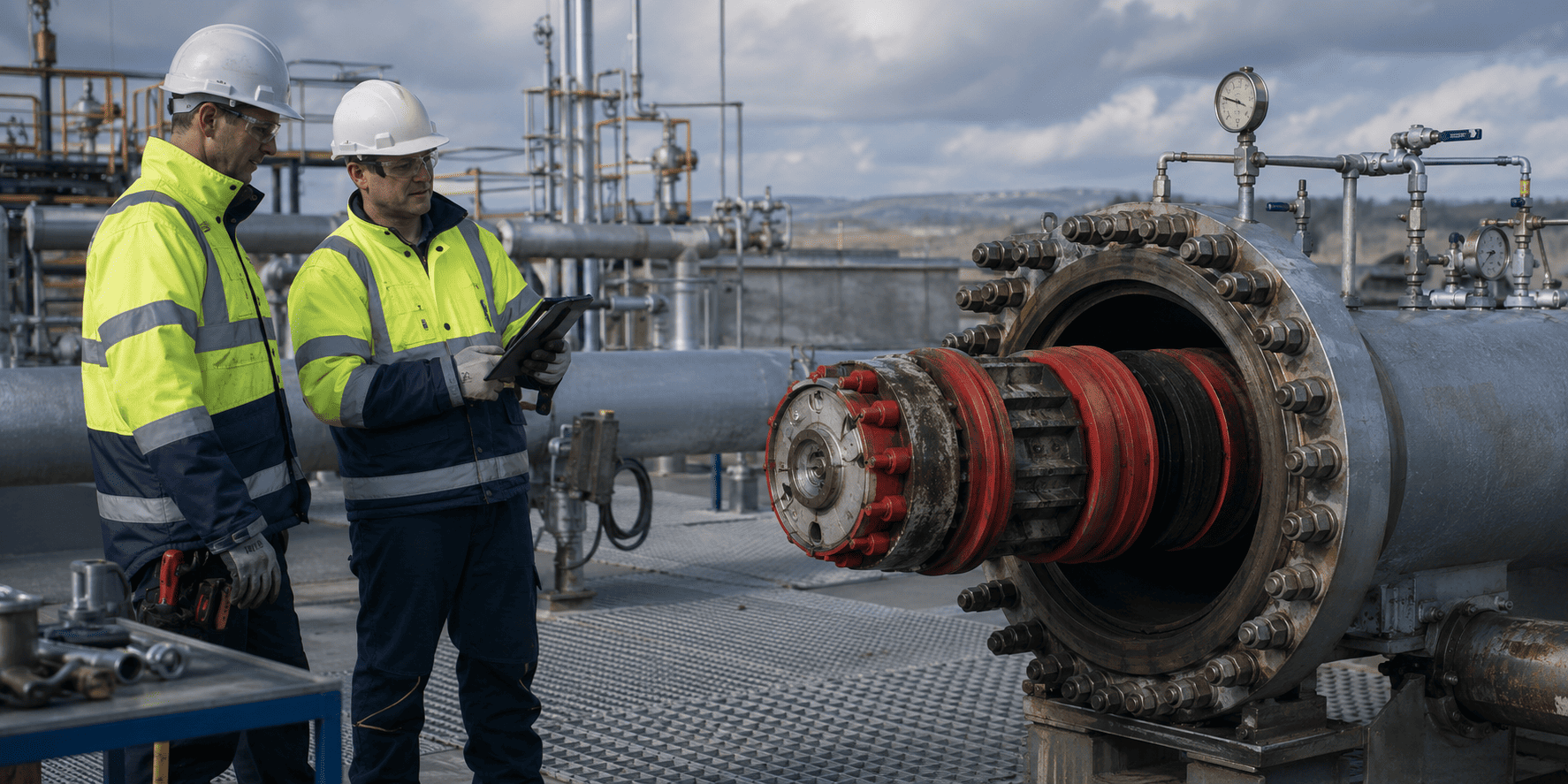
Choosing a pipeline pigging service is not simply a matter of comparing prices. The provider’s planning, field experience, safety procedures, and tracking capabilities can directly affect project success.
A well-planned project can restore flow, remove deposits, and prepare a line for inspection. A poor plan can leave debris behind, interrupt service, damage equipment, or result in a stuck pig.
The right provider should evaluate pipeline material, diameter, geometry, pressure, flow, access, and maintenance goals before recommending a strategy.
Start With the Project Objective
A qualified provider should first determine what the project needs to accomplish. Different goals require different tools, run sequences, and measures of success.
Routine pipeline cleaning services may focus on sediment, wax, scale, liquids, or other deposits that restrict flow. Other projects may involve dewatering, drying, batching, gauging, coating preparation, or preparing a line for in-line inspection.
Cleaning and Maintenance Goals
For maintenance work, the provider should understand the deposit type, expected debris volume, downstream handling capacity, and required level of cleaning. Aggressive cleaning is not always the safest first step, especially in older lines with years of accumulated material.
A staged sequence may begin with softer pigs before progressing to brushes, scrapers, cups, or discs. The provider should explain why each stage is needed and how the results will be evaluated.
Inspection and Pre-Commissioning Goals
A pipeline being prepared for smart inspection may require cleaning, gauging, and piggability confirmation before the inspection tool is launched. A newly constructed line may instead need coordinated cleaning, testing, dewatering, and drying.
Professional pipeline pre-commissioning depends on careful sequencing. Each stage should support the next without creating avoidable delays or uncertainty.
Look for Relevant Pipeline Experience
General experience is not enough. The provider should have completed projects involving pipelines similar to yours in material, diameter, pressure, product, geometry, and operating environment.
Ask whether the company has handled comparable municipal water, oil, gas, industrial, or force main systems. Experience with similar buildup or access limits is especially valuable.
A strong provider should explain relevant projects, field challenges, and the reasoning behind its approach. Specific examples are more useful than broad industry claims.
Review Technical Capabilities and Pig Selection
Pipeline pigging is not a one-size-fits-all service. The provider should understand multiple pigging methods and select a configuration based on the actual line conditions.
Depending on the project, the plan may involve:
Foam pigs for flexible cleaning and proving runs
Cup or disc pigs for sealing and liquid displacement
Brush or scraper configurations for heavier deposits
Gauge pigs for checking restrictions and clearance
Smart pigs for condition assessment
Custom configurations for unusual geometry or mixed diameters
The company should not recommend a pig before reviewing pipeline data. Pig type, size, configuration, and cleaning aggressiveness should connect to a defined objective.
Ask How the Pigging Plan Will Be Developed
A professional provider should request detailed information before finalizing the scope. This normally includes pipe material, internal diameter, length, operating pressure, flow rate, transported product, known deposits, and previous pigging history.
It should also review bends, valves, tees, internal coatings, diameter changes, launch points, and recovery access. These details help identify restrictions and determine whether special equipment or a staged cleaning plan is needed.
When internal clearance is uncertain, pipeline gauging can help confirm whether the line can accommodate the planned pig or inspection tool. A qualified provider should also explain what the gauge run proves and what additional preparation may still be required.
Evaluate Tracking, Safety, and Recovery Planning
Pig tracking is important for long, buried, complex, or difficult-to-access pipelines. The provider should explain how the pig will be monitored from launch through recovery.
Professional pig tracking may involve transmitters, passage detectors, above-ground monitors, and pressure readings. These methods confirm progress and support faster decisions if the pig stops.
Safety qualifications are equally important. Ask about pressure control, confined space requirements, emergency response, insurance, and compliance. Relevant credentials may include OSHA, HAZWOPER, DOT Operator Qualification, TWIC, CPR, and confined space training.
The proposal should also include launch, retrieval, and contingency planning. Experience with stuck pig recovery matters because tracking, pressure data, and recovery options should be considered before launch.
Ask How Results Will Be Verified
Completing a run does not automatically mean the objective has been achieved. A professional provider should define how it will confirm cleaning, clearance, dewatering, inspection readiness, or another required outcome.
Verification may include examining the returned pig, documenting debris, reviewing pressure and flow behavior, checking gauge plates, analyzing tracking records, or assessing inspection data. For Smart Pigging, quality assurance should confirm that usable condition data was collected.
Final documentation should summarize the work, observed conditions, results, and recommended next steps for future maintenance planning.
Compare Total Project Value, Not Just Price
A low quote may omit items that appear later as added costs. Compare proposals carefully to understand what is included.
The scope may include mobilization, labor, pig configurations, launch and retrieval, tracking, flow control, debris handling, reporting, and contingency work. Planned runs should also be clear.
The best value comes from a realistic scope that reduces uncertainty. Avoiding a failed run, repeat mobilization, or emergency recovery can outweigh a lower initial price.
Questions to Ask Before Hiring a Provider
A focused discussion can quickly reveal whether a company understands the project:
Have you completed projects involving similar pipelines?
What information do you need before selecting the pig?
How will you track and monitor each run?
What safety qualifications do your technicians hold?
How will you verify the project objective was achieved?
What is the contingency plan if the pig stops?
What documentation will we receive?
Which costs are included in the proposal?
The answers should be specific to your pipeline. Immediate recommendations without a technical review are a warning sign.
Red Flags to Avoid
Be cautious when a provider uses the same approach for every pipeline, cannot explain its equipment selection, or offers no meaningful tracking and recovery plan. Vague safety claims and unclear completion criteria should also raise concern.
An unusually low price may indicate missing mobilization, monitoring, reporting, or contingency costs. A professional proposal should explain the work clearly enough that the operator can compare both technical value and commercial scope.
Why Choose American Pipeline Solutions?
American Pipeline Solutions provides specialized pipeline pigging, cleaning, inspection, tracking, mapping, testing, and pre-commissioning services nationwide. APS supports oil, gas, municipal water, industrial, and other critical pipeline systems.
Each project is evaluated according to operating conditions, geometry, material, access, and required outcome. APS develops a service plan around the pipeline and the work it needs rather than forcing every system into the same cleaning sequence.
APS field personnel maintain safety and industry credentials for demanding environments. The company is also a member of the Pipeline Pigging and Services Association.
Whether the objective is cleaning, inspection preparation, gauging, or condition analysis, APS helps operators execute the work with safety, efficiency, and accountability.
Frequently Asked Questions
These questions can help operators compare pipeline pigging companies more effectively.
What Information Is Needed for a Pipeline Pigging Quote?
A provider usually needs the pipeline material, diameter, length, pressure, flow, transported product, deposit type, geometry, access points, and project objective.
Providing accurate system details helps the contractor recommend an appropriate pigging sequence, estimate support requirements, and identify potential restrictions before mobilization.
How Is the Right Pipeline Pig Selected?
Pig selection depends on the objective, geometry, coating, diameter, debris, pressure, and flow. A qualified provider may recommend a staged sequence.
For example, a softer foam pig may be used during an initial proving or cleaning run before more aggressive brush, scraper, cup, or disc configurations are introduced.
Should Every Pipeline Pigging Project Include Tracking?
Tracking is important for buried, long, complex, or high-risk pipelines. It confirms passage and supports a faster response if the pig slows or stops.
The required tracking method will depend on pipeline length, access, operating conditions, and the potential consequences of losing the pig’s location.
How Much Do Pipeline Pigging Services Cost?
Cost depends on pipeline size, length, access, pig type, number of runs, tracking, mobilization, and support equipment. Compare proposals by total scope.
A lower initial price may not include launch and retrieval support, additional cleaning passes, monitoring, debris management, reporting, or contingency work.
Can One Company Handle Cleaning and Inspection Preparation?
Yes. A full-service provider can coordinate cleaning, gauging, tracking, and inspection preparation, reducing handoffs before an inspection run.
Using one experienced provider can also improve communication between stages and help confirm that the line is ready before an advanced inspection tool is launched.
How Do Operators Know When the Project Is Complete?
Completion criteria should be set before work begins. The provider may evaluate debris, pig condition, gauge results, pressure records, dryness measurements, or inspection data.
The final report should document the completed runs, observed conditions, results, and any recommended follow-up work.


