
Checklist for Pipeline Pre-Commissioning Procedures
To ensure that a pipe operates properly, you must complete the pre-commissioning process. Learn about pipeline pre-commissioning procedures to get started.
Once the construction of a new pipeline is complete, the next critical phase is pre-commissioning. This set of procedures bridges the transition from pipeline construction to full operation, ensuring that the system is clean, safe, and ready to carry fluids or gases under pressure.
If pre commissioning activities are skipped or done incorrectly, the pipeline risks failure, reduced efficiency, and costly downtime. By following a structured pre-commissioning procedure, operators can guarantee compliance, maximize pipeline integrity, and extend the service life of their infrastructure.
Below, we’ve outlined the pipeline pre commissioning checklist that American Pipeline Solutions (APS) follows. Each step highlights its purpose, tools used, and its importance for oil and gas pipelines as well as other industries.
What is Pre Commissioning?
Pre commissioning refers to the series of activities conducted after pipeline construction but before final commissioning. These steps prepare the line for operation by cleaning, testing, drying, and verifying its readiness.
In oil and gas, pre commissioning activities help ensure that pipelines meet safety standards, function at peak performance, and comply with PHMSA regulations. It is different from commissioning, which focuses on introducing the actual fluid or gas into the system and beginning operations.
Pipeline Experts: Inspection, Cleaning, Coating & More
Certified solutions for inspection, pre-commissioning, cleaning, internal coating, ice pigging™, mapping, and turnkey pipeline projects—maximizing safety and reliability at every stage.
Pre Commissioning vs Commissioning
Many operators ask: what is the difference between pre commissioning and commissioning?
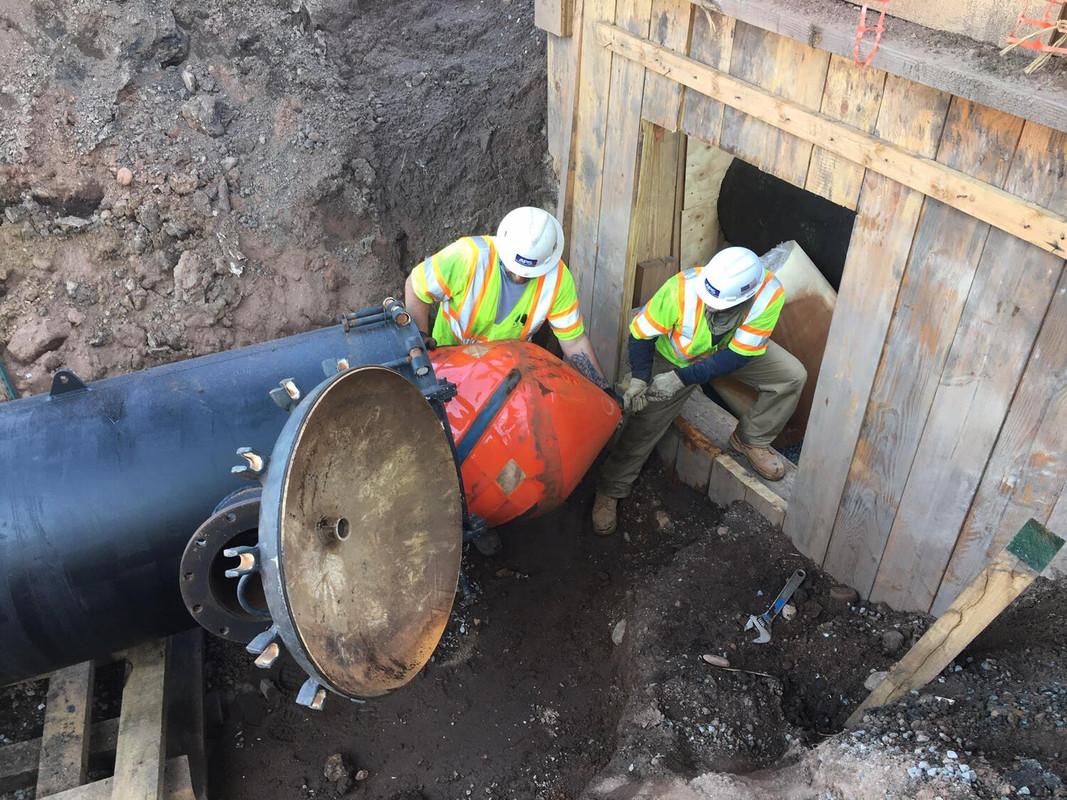
Pre commissioning: Involves preparation activities such as pigging, cleaning, testing, and drying. Its goal is to verify that the pipeline is ready and safe.
Commissioning: Follows pre commissioning and includes introducing the pipeline’s intended medium (oil, gas, or water) into service and monitoring its performance.
Both stages are essential, but without thorough pre commissioning, commissioning cannot be successful.
Checklist for Pipeline Pre-Commissioning Procedures
Pig the Line
The first step in any pre commissioning procedure is pigging the pipeline to remove construction debris, weld slag, dirt, and other contaminants.
Pigging improves flow efficiency.
Ensures tests like hydrostatic testing or nitrogen testing deliver accurate results.
Reduces risk of internal damage once the line enters service.
APS uses advanced pigging tools designed for different pipe diameters, ensuring thorough cleaning before the next step.
Gauge the Internal Diameter With a Caliper Tool
After cleaning, APS measures the internal diameter of the pipeline. This step helps:
Compare actual construction against piping and instrumentation diagrams (P&IDs).
Detect dents, ovality, or restrictions that could impair flow.
A caliper pig equipped with mechanical sensors records the pipeline’s internal structure, ensuring it aligns with design standards.
Perform Pipeline Integrity Tests
Integrity testing is one of the most important pre commissioning activities in oil and gas. APS conducts proactive tests to detect weaknesses before they cause downtime or environmental hazards.
Hydrostatic testing: The most common test, verifying that the pipeline can maintain specified pressure levels for a given duration.
Nitrogen testing: An alternative for smaller pipelines or when weather conditions make hydrotesting impractical.
APS uses certified and calibrated digital gauges, recorders, and deadweights to ensure precise results. These pipeline inspection and pressure pipe inspection methods confirm that the pipeline is leak-free and safe for commissioning.
Fill and Stabilize the Line
Before testing, the line is filled with water using a specialized fill pig. The pig removes air pockets that could cause inaccurate test results.
Once filled, the line is pressurized slightly (around 200 psi) and allowed to stabilize for several hours. Equalized pressure and temperature confirm pipeline stability, preparing it for full-scale integrity testing.
Dewater and Dry the Line
Following hydrostatic testing, APS carefully dewaters the pipeline. The same pig used for filling is propelled back through the line with compressed air.
Dewatering is closely monitored to prevent dangerous air pocket formation.
Once water is removed, soft foam swabs and cleaning pigs eliminate any remaining moisture.
The line is dried to the required dew point, often specified as -40°C, using oil-free compressors and desiccant dryers.
This ensures that the pipeline is free of moisture, preventing corrosion and contamination before commissioning.
Pipeline Experts: Inspection, Cleaning, Coating & More
Certified solutions for inspection, pre-commissioning, cleaning, internal coating, ice pigging™, mapping, and turnkey pipeline projects—maximizing safety and reliability at every stage.
Why Pre Commissioning Services Matter
Skipping or rushing pre commissioning services can lead to serious issues such as leaks, blockages, reduced capacity, or environmental risks. By thoroughly cleaning, testing, and drying a pipeline, operators:
Reduce unplanned downtime.
Extend pipeline service life.
Comply with PHMSA and industry regulations.
Ensure smooth and efficient commissioning.
APS specializes in complete pipeline pre commissioning services, providing operators with confidence that their infrastructure is safe, reliable, and ready for operation.
Pre Commissioning Checklist Summary
Pigging: Clean out debris and construction residue.
Caliper tool inspection: Measure and verify pipe diameter.
Integrity testing: Hydrostatic or nitrogen pressure testing.
Fill and stabilize: Remove air pockets and prepare for testing.
Dewater and dry: Eliminate moisture and prevent corrosion.
By following this pre commissioning checklist, pipeline operators can transition from construction to commissioning safely and effectively.
Partner with American Pipeline Solutions
At APS, our team of experts delivers tailored pre commissioning services for oil, gas, and water pipelines. From pigging and cleaning to integrity testing and drying, we ensure your pipeline is fully prepared for commissioning and long-term operation.
Looking for an experienced partner for pipeline pre commissioning? Contact American Pipeline Solutions today for expert solutions that maximize safety, efficiency, and reliability.
FAQs:
What is pipeline pre-commissioning?
Pipeline pre-commissioning is the series of activities completed after construction but before a pipeline enters service. It includes cleaning, gauging, integrity testing, dewatering, and drying to verify that the system is safe, leak-free, and ready for commissioning. APS performs complete pre-commissioning programs that meet PHMSA and industry standards for oil, gas, and water pipelines.
How does pre-commissioning differ from commissioning?
Pre-commissioning focuses on preparing and verifying the pipeline—removing debris, testing pressure integrity, and drying the line. Commissioning begins after those steps, when the intended product (oil, gas, or water) is introduced and monitored under operating conditions. Both stages are essential, but commissioning cannot succeed without proper pre-commissioning.
Why is pigging an important step in pre-commissioning?
Pigging removes construction debris, weld slag, and contaminants that can restrict flow or damage the internal surface. APS uses purpose-built cleaning and gauging pigs sized to each line diameter. Effective pigging ensures that hydrostatic or nitrogen tests yield accurate results and prevents internal corrosion once the pipeline begins service.
What integrity tests are performed during pipeline pre-commissioning?
APS performs hydrostatic or nitrogen pressure tests to verify pipeline strength and leak-free performance. Hydrotesting fills the line with water to a specified pressure for a set duration; nitrogen testing is used when hydrotesting isn’t practical. Certified digital gauges and recorders document results to confirm compliance and readiness for commissioning.
How are pipelines dewatered and dried after testing?
After hydrotesting, APS propels a fill pig back through the line using compressed air to remove water. Foam swabs and cleaning pigs follow to eliminate residual moisture. The pipeline is then dried to the required dew point—often around -40 °C—using oil-free compressors and desiccant dryers to prevent corrosion and contamination.
What happens if pre-commissioning is skipped or rushed?
Omitting or rushing pre-commissioning can lead to leaks, corrosion, poor flow, or inspection failures. Contaminants left in the line may damage equipment or shorten pipeline life. APS’s structured procedures reduce downtime, ensure regulatory compliance, and confirm that each system is fully prepared for safe commissioning and long-term operation.
How does APS ensure accuracy and safety during pre-commissioning?
APS technicians use calibrated instruments, documented procedures, and safety controls such as differential-pressure monitoring and confined-space protocols. Every step—from pigging to drying—is verified against acceptance criteria and recorded in a closeout package that supports PHMSA compliance and client integrity programs.
What types of pipelines can benefit from APS pre-commissioning services?
APS supports oil, gas, refined-product, water, and industrial pipelines ranging from small-bore facility lines to large-diameter transmission systems. Whether it’s a new build or rehabilitation project, APS tailors cleaning, testing, and drying procedures to the pipeline’s material, length, and service conditions.
Looking for an expert in pipeline pre-commissioning services?
Contact American Pipeline Solutions and receive a timely and affordable solution today.

Guide to Pipeline Hydrostatic Testing
Testing the integrity of your pipelines is crucial. Learn more about hydrostatic testing pipelines and what the best solution is for you.

Introduction: Ensuring Pipeline Integrity Through Pressure Testing
In the United States, more than 2.6 million miles of pipelines transport natural gas and liquid petroleum across the nation. These networks are among the safest methods of moving energy resources, but maintaining their integrity remains critical. The Pipeline and Hazardous Materials Safety Administration (PHMSA) and other industry organizations prioritize rigorous standards for pipeline safety and compliance—including procedures such as hydrostatic testing.
Whether you are constructing a new line or maintaining an existing one, hydrostatic testing is an essential step in confirming that your pipeline can safely handle its operating pressure. This guide explains what a hydrotest is, why it matters, how it’s performed, and how American Pipeline Solutions (APS) delivers reliable, compliant, and cost-effective hydrostatic testing services across the United States.
What Is Hydrostatic Testing?
A hydrostatic test evaluates the structural integrity and leak-tightness of a pipeline or pressure vessel by filling it with water and pressurizing it above its normal operating pressure. The goal is simple: to confirm that the pipeline can safely handle its designated Maximum Allowable Operating Pressure (MAOP) and identify any weaknesses before it enters or returns to service.
Hydrostatic testing methods vary depending on the type, diameter, and specifications of the pipeline, but the underlying principle remains the same—pressurize with water, monitor for changes, and ensure that the system is both safe and structurally sound.
This procedure not only validates mechanical strength but also provides critical assurance of compliance with PHMSA regulations, ASME B31.1 and B31.3 piping codes, and other industry standards that govern safe pipeline operation.
Pipeline Experts: Inspection, Cleaning, Coating & More
Certified solutions for inspection, pre-commissioning, cleaning, internal coating, ice pigging™, mapping, and turnkey pipeline projects—maximizing safety and reliability at every stage.
How Hydrostatic Testing Works
Hydrostatic testing is typically required for newly constructed pipelines and can also be performed on existing lines following repairs or modifications. The process ensures that the line can operate at its rated pressure without risk of leaks or rupture.
APS follows a systematic and precisely controlled procedure that ensures accurate results while maintaining the highest standards of safety and environmental compliance.
Isolating and Preparing the Test Section
The section of pipeline to be tested is isolated by closing valves or installing test plugs. Any existing product—such as gas or liquid—is safely removed, and the line is cleaned to eliminate debris or residue that might affect test accuracy.
Filling the Pipeline
Once isolated, APS technicians fill the pipeline with water using high-flow pumps to achieve complete line fill. This ensures no air pockets remain inside the system, as trapped air can distort pressure readings. The water source is carefully selected to meet purity and temperature requirements, ensuring stable and repeatable results.
Pressurizing the Pipeline
When the line is full, a “squeeze” pump raises the internal pressure to the required test level based on the Specified Minimum Yield Strength (SMYS) of the pipe. In most cases, this pressure is approximately 1.25 to 1.5 times the line’s normal operating pressure.
Monitoring and Holding Pressure
During the hydrotest, APS technicians use calibrated gauges, deadweights, and digital recording instruments to continuously monitor the line. The pressure is held for a specified period—often several hours—to ensure stability. Any pressure loss, deformation, or visible leakage is immediately investigated.
Inspecting for Leaks and Verifying Results
Field teams patrol the pipeline route to identify visible leaks or wet spots, while digital data loggers capture minute pressure variations that may indicate weaknesses. The test data are analyzed to confirm the line’s ability to maintain pressure and meet all design specifications.
Depressurizing and Draining the Pipeline
Once testing is complete, APS carefully depressurizes the pipeline to prevent sudden pressure drops that could damage valves or seals. The water is then discharged in accordance with environmental regulations, and the line is prepared for drying and return to service.
Drying and Final Preparation
After the hydrotest, APS uses air movers or nitrogen to remove residual moisture from the pipeline interior. This step prevents internal corrosion and ensures the line is completely dry before commissioning.
Several environmental and technical factors can influence test results—including changes in temperature, elevation variations, water impurities, or trapped air pockets. APS’s experience and advanced monitoring practices ensure each variable is accounted for, producing precise and compliant results.
Purpose and Importance of Hydrostatic Pipeline Testing
Hydrostatic testing serves as both a safety validation and a compliance requirement. It confirms that the pipeline is structurally sound, leak-free, and ready for operation. The test also helps detect early warning signs of corrosion, weld defects, or material fatigue before they can lead to costly failures.
Regulatory bodies such as PHMSA and ASME require hydrotesting to ensure pipelines can safely handle their intended pressures. By performing this test, operators verify not only performance and reliability but also adherence to national and state safety standards.
APS Hydrostatic Testing Procedure and Capabilities
At American Pipeline Solutions, hydrostatic testing is performed using industry-leading equipment and proven methodology.
Our technicians fill the line with precision-controlled pumps, monitor pressure using digital and analog systems, and maintain accurate test logs for regulatory documentation. APS can clean and hydrostatically test pipelines up to 48 inches in diameter and pressures reaching 10,000 PSI, delivering dependable results under the most demanding conditions.
With over 100 years of combined experience, APS ensures every test is executed safely, efficiently, and in full compliance with all applicable codes. From filling and pressurizing to depressurizing and drying, every phase is managed with the utmost attention to detail.
Pipeline Experts: Inspection, Cleaning, Coating & More
Certified solutions for inspection, pre-commissioning, cleaning, internal coating, ice pigging™, mapping, and turnkey pipeline projects—maximizing safety and reliability at every stage.
Maintain Your Pipeline With Unmatched Testing Services
By and large, the fitness of your pipelines is crucial to your business and safety. So, utilizing the best possible hydrostatic testing services is vital to the success of your pipelines and your business.
At American Pipeline Solutions, we are dedicated to helping clients with timely and affordable services for their pipeline needs.
With 100 years of combined experience, APS is able to provide comprehensive hydrostatic testing services for pressure pipelines. The team at APS is able to clean and hydrostatically test pipelines with a diameter of up to 48 inches. Additionally, APS can pressure test pipelines up to 10,000 pounds per square inch (PSI).
In addition to hydrostatic testing for pipelines, other services that APS offers include pigging, testing and drying services.
Why Hydrostatic Testing is Essential?
Hydrostatic testing pipelines is vital for verifying operational fitness, preventing leaks, and confirming the line can safely handle its rated pressure. Regular hydrostatic pipeline testing also allows operators to detect maintenance needs before minor issues become costly problems, ensuring long-term pipeline safety and efficiency.
Benefits of Hydrostatic Pipe Testing
Performing regular hydrostatic pressure tests offers multiple advantages that protect both assets and the environment.
Hydrotesting detects leaks and weaknesses before commissioning, confirming that the line can safely operate at its designated pressure. It helps extend the service life of pipelines by identifying maintenance needs early, preventing minor issues from escalating into critical failures.
The process also supports regulatory compliance with PHMSA, ASME, and DOT standards, ensuring that every pipeline entering service meets federal safety requirements. Finally, hydrostatic testing enhances cost efficiency by reducing downtime, unplanned repairs, and environmental risk.
Limitations and Challenges
While hydrostatic testing is the most reliable and widely used pressure validation method, it has practical limitations.
The test requires the line to be taken out of service temporarily and filled completely with water, which may interrupt production. Afterward, the line must be drained and dried—a process that adds time and requires environmental consideration for water disposal.
Hydrotesting may also be less effective at detecting extremely small or sub-critical flaws that do not leak under test pressure. To overcome these limitations, APS integrates hydrostatic testing with other integrity assessment tools, such as inline inspection (ILI) or smart pigging, to achieve a comprehensive understanding of pipeline condition.
Integrating Hydrostatic Testing with Pipeline Inspection
Hydrostatic testing is most effective when combined with broader inspection and cleaning programs. APS frequently integrates hydrotests with pipeline inspection and condition analysis to provide complete visibility into pipeline health.
By pairing hydrotesting with pigging, internal inspection, and drying services, APS delivers a unified solution that verifies both structural integrity and operational readiness. This approach reduces risk, optimizes maintenance scheduling, and ensures compliance from pre-commissioning through ongoing operations.
Safety and Regulatory Compliance
Safety is at the core of every APS operation. Our hydrostatic testing procedures adhere to all PHMSA, ASME B31.1, B31.3, and DOT requirements for design pressure verification. Each test is planned and executed under strict safety controls, with technicians trained in high-pressure operations, environmental protection, and emergency procedures.
APS ensures that all data recording devices, gauges, and test equipment are calibrated and certified to meet or exceed industry standards. Pressure limits, hold times, and acceptance criteria are calculated based on applicable codes, guaranteeing that each pipeline test is both safe and fully compliant.
Choosing the Right Hydrostatic Test for Your Pipeline
No two pipelines are identical, and each requires a customized testing approach. APS tailors every hydrotest procedure based on pipeline diameter, material, product type, pressure rating, and environmental conditions.
Our team works directly with clients to determine the most effective testing parameters, ensuring both accuracy and safety. From high-pressure transmission lines to municipal water systems, APS provides dependable hydrostatic testing solutions designed to fit the exact needs of your project.
Why Work with APS for Hydrostatic Testing?
Hydrostatic testing is more than a compliance step—it is a vital component of responsible pipeline management. With decades of combined expertise and state-of-the-art equipment, American Pipeline Solutions offers precision testing services that safeguard performance, protect assets, and reduce operational risk.
Our technicians manage the entire process, from line cleaning and test preparation to depressurization, drying, and documentation. Clients rely on APS not only for accurate testing results but also for dependable project management and technical support that keeps operations running smoothly.
Conclusion: Reliable Pipeline Performance Starts with Testing
Hydrostatic testing provides the assurance that pipelines are strong, leak-free, and ready for safe operation. For operators seeking dependable results, technical accuracy, and full regulatory compliance, APS stands as a trusted partner in pipeline integrity management.
Contact American Pipeline Solutions (APS) today at (201) 525-0088 to schedule your pipeline hydrostatic test or discuss the most effective testing approach for your project. Our experts are ready to help you maintain pipeline safety, efficiency, and long-term reliability.
FAQs
What is hydrostatic testing for pipelines?
Hydrostatic testing is a pressure-validation process in which a pipeline is filled with water and pressurized above its normal operating pressure to confirm structural integrity and leak-tightness. It verifies that the system can safely handle its Maximum Allowable Operating Pressure (MAOP) before entering or returning to service, ensuring compliance with PHMSA and ASME standards.
Why is hydrostatic testing important for pipeline safety?
Hydrostatic testing detects leaks, weaknesses, and material flaws before a pipeline is commissioned or reactivated. By confirming pressure capacity and identifying defects early, operators prevent failures, minimize environmental risk, and maintain regulatory compliance. It’s one of the most effective ways to verify pipeline fitness and extend asset life.
How does American Pipeline Solutions perform hydrostatic tests?
APS follows a structured procedure—isolating the test section, filling the line with clean water, pressurizing to required levels, holding and monitoring pressure, then depressurizing and drying the line. All instruments are calibrated, data is logged digitally, and every phase meets PHMSA, ASME, and DOT requirements for safety and accuracy.
What types of pipelines can APS hydrostatically test?
APS performs hydrostatic testing on new and existing oil, gas, water, and industrial pipelines up to 48 inches in diameter and 10,000 PSI. Each test plan is customized to the pipeline’s material, operating conditions, and environmental factors to achieve precise, compliant results.
How long does a hydrostatic pipeline test take?
Duration depends on pipeline length, diameter, and regulatory requirements. Most tests include a pressurization period followed by a hold time of several hours for pressure monitoring and stability checks. APS schedules each phase efficiently to minimize downtime while meeting all safety and documentation standards.
What happens after a hydrostatic test is complete?
Once the hold period ends, APS carefully depressurizes the line, drains and disposes of water responsibly, and performs drying using air or nitrogen to eliminate moisture. A full test report—including pressure charts, calibration records, and compliance documentation—is provided before the line returns to service.
Can hydrostatic testing detect all pipeline defects?
While hydrotesting reliably identifies leaks and major weaknesses, it may not reveal microscopic or non-leaking flaws. APS often integrates hydrotests with in-line inspection (ILI) and smart pigging to provide a complete picture of pipeline condition, ensuring both structural integrity and data-verified performance.
How often should hydrostatic testing be performed?
Frequency depends on regulatory guidelines and pipeline conditions. New pipelines are tested before commissioning, while existing systems may require retesting after repairs, major modifications, or at scheduled integrity intervals. APS helps clients determine optimal testing cycles to maintain compliance and prevent costly failures.
What regulations govern hydrostatic testing in the U.S.?
Hydrostatic testing is regulated by the Pipeline and Hazardous Materials Safety Administration (PHMSA) and must comply with ASME B31.1, B31.3, and DOT codes. APS conducts every test according to these standards, ensuring proper pressure ratios, hold times, and documentation for regulatory approval.

How Gas Pipeline Leak Detection Has Changed Through Time
The history of pipeline leak detection systems has changed over the years. Learn more about pipeline detection and what modern methods are used today.

The history of the modern pipeline system is an interesting one. In America, oil and gas pipeline systems can be sourced back to the efforts of Edwin Drake.
In 1859, Drake used his unique drilling technique to drive pipe sections into the ground in an attempt to reach oil deposits. In August of 1859, he succeeded—at 69 feet, he hit oil and natural gas deposits.
Other notable examples of pipelines can be found in the implementation of natural gas streetlights in London. In fact, archaeologists in 1994 uncovered the remains of what once was a copper plumbing system in Ancient Egypt.
Suffice it to say, civilizations throughout history have benefited from the innovative pipeline system.
As the technology to create pipeline systems has evolved, so has the technology we use to maintain them.
Pipeline leak detection systems have evolved alongside our understanding of safety measures around natural gas.
How?
If a natural gas pipeline leaks, it can be dangerous to the workers or citizens nearby. Having safe and comprehensive detection tools has been a must for many years.
Pipeline Experts: Inspection, Cleaning, Coating & More
Certified solutions for inspection, pre-commissioning, cleaning, internal coating, ice pigging™, mapping, and turnkey pipeline projects—maximizing safety and reliability at every stage.
How Gas Pipeline Leak Detection Has Changed Over Time
Coal Miners & Early Gas Detection Methods
The most memorable method for detecting natural gas can be traced back to the Industrial Revolution. Thanks to his research on carbon monoxide, John Scott Haldane, the father of oxygen therapy, recommended using canaries to detect methane in coal mines, which eventually came to an end in 1986.
A second renowned portable gas detection method was the safety lamp developed by Humphry Davy in 1815. Davy was asked to create a safer way to illuminate the miner’s environment after a series of fatal explosions in coal mines. The result was the safety lamp, which worked as a source of light and a natural gas detector.
The Birth of the Catalytic Sensor
In 1926, Dr. Oliver Johnson invented a catalytic sensor meant to detect combustible natural gases in the atmosphere around it. This sensor is the first modern portable gas detection device.
As more research on the use of natural gas took place, the uses for this resource expanded. By the 20th century, more effective pipelines were being manufactured, which allowed natural gas to heat homes and even generate electricity.
Today’s Natural Gas Pipeline Leak Detection Systems
Over half of the energy that residential and commercial customers use today comes from natural gas.
And, as the use of natural gas became more prominent, so do natural gas pipeline regulations.
Monitored by both federal and state agencies, these regulations are used to ensure newly built, and existing pipelines are safe to operate.
While there are numerous methods of pipeline leak detection companies use to inspect pipelines, there are two main categories these methods fall under: continuous and non-continuous methods.
Companies tend to use both continuous and non-continuous methods, including hydrostatic pressure testing and even smart pigging tools.
The Future of Pipeline Leak Detection: The i2i Smart Pigging Device
A pipeline pig is used for a variety of reasons. It is used to inspect the pipeline’s condition, but it is also used for cleaning the pipeline.
The smart pig gathers data as it moves through your pipeline. Once it reaches the receiver, technicians use the collected data to identify any problems.
An example of an innovative smart pig is the i2i smart pig tool. This pig was created to make the pipeline inspection process easier. The i2i smart pig offers a low risk, low cost, and non-disruptive method for gathering data on pipeline conditions.
By combining the technology of typical cleaning pigs and conventional ILI, you can inspect your pipelines without disrupting your daily operations.
Additionally, the i2i smart pig comes at a fraction of conventional ILI tools without sacrificing the beneficial data the tool gathers.
Other benefits of this smart pig device include its sensitivity. The i2i smart pig is sensitive to pits, internal metal loss, and circumferential cracking in your pipes. Thus, you can easily detect these factors and fix them before they end up creating a bigger issue in your pipes.
Pipeline Experts: Inspection, Cleaning, Coating & More
Certified solutions for inspection, pre-commissioning, cleaning, internal coating, ice pigging™, mapping, and turnkey pipeline projects—maximizing safety and reliability at every stage.
To find the best solution for your pipeline, contact American Pipeline Solutions today to learn more about testing services and the i2i smart pig!
FAQs:
What is a gas pipeline leak detection system?
A gas pipeline leak detection system is a combination of tools, sensors, and monitoring procedures used to identify when and where a pipeline is losing product. Early methods relied on simple pressure changes and human observation, but modern systems use advanced instruments, smart pigs, flow balance calculations, and real-time monitoring to detect leaks faster and more accurately.
How did people detect gas leaks in the early days of industry?
In the early days, leak detection was basic and often dangerous. Coal miners used canaries and flame safety lamps to detect hazardous gases underground. Changes in the bird’s behavior or the lamp’s flame warned of methane or low oxygen. These methods were crude and risky compared with today’s specialized sensors and smart pigging tools designed for pipelines.
What is a catalytic gas sensor and why was it important?
A catalytic gas sensor, developed in the 1920s, was one of the first modern portable gas detection devices. It uses a heated catalyst to trigger a reaction when combustible gases are present, causing a measurable change in electrical resistance. This technology allowed workers to detect flammable gas concentrations more reliably, laying the groundwork for modern portable gas monitors and fixed detection systems around pipelines and facilities.
How has gas pipeline leak detection changed over time?
Leak detection has evolved from basic pressure checks and manual observation to a combination of continuous and non-continuous methods. Today, operators use flow and pressure monitoring, hydrostatic testing, aerial and ground patrols, and in-line inspection tools, including smart pigs, to identify and locate leaks. The goal is faster detection, better localization, and less disruption to operations and surrounding communities.
What is a smart pig and how does it help detect pipeline issues?
A smart pig is an in-line inspection device that travels inside the pipeline to collect data about its condition. Depending on the technology, it can measure wall thickness, detect corrosion, identify metal loss, and sometimes help locate potential leak points. The smart pig records data as it moves, and technicians analyze that data after the run to find defects before they turn into leaks or failures.
What makes the i2i smart pig different from traditional ILI tools?
The i2i smart pig combines the basic function of a cleaning pig with inspection capabilities, so operators can gather condition data while the line stays in service. It’s designed to be lower cost and less disruptive than some conventional ILI tools, while still sensitive enough to detect pits, internal metal loss, and circumferential cracking. This allows issues to be found and addressed earlier, without major shutdowns.
Why is early leak detection so important for natural gas pipelines?
Early leak detection helps protect people, the environment, and the asset itself. Gas leaks can lead to explosions, fires, air quality impacts, and product loss. The sooner a leak is identified, the faster operators can isolate the affected section, reduce pressure, and make repairs. Effective detection also supports regulatory compliance and builds trust with nearby communities.
What are the main types of gas pipeline leak detection methods used today?
Most modern leak detection approaches fall into two broad groups: continuous and non-continuous. Continuous methods monitor the system in real time using sensors, SCADA data, and flow and pressure models. Non-continuous methods include scheduled inspections, hydrostatic testing, smart pigging, aerial surveys, and ground patrols. Operators often combine both to build a more robust leak detection program.
Can smart pigging completely replace other leak detection methods?
No. Smart pigging is a powerful tool for understanding pipeline condition, but it works best as part of a larger leak detection strategy. Operators still rely on continuous monitoring, pressure and flow alarms, visual inspections, and periodic testing. Smart pigs add detailed internal data that helps plan repairs and maintenance so that leaks are less likely to occur in the first place.
How do regulations affect gas pipeline leak detection?
In the United States, both federal and state agencies set standards for how gas pipelines are designed, operated, and monitored for leaks. These regulations influence the types of leak detection systems operators must use, inspection intervals, documentation requirements, and how issues are reported. Over time, as technology has improved, regulations have become more focused on proactive integrity management rather than just reacting to failures.


