
What is Chemical Cleaning In Piping?
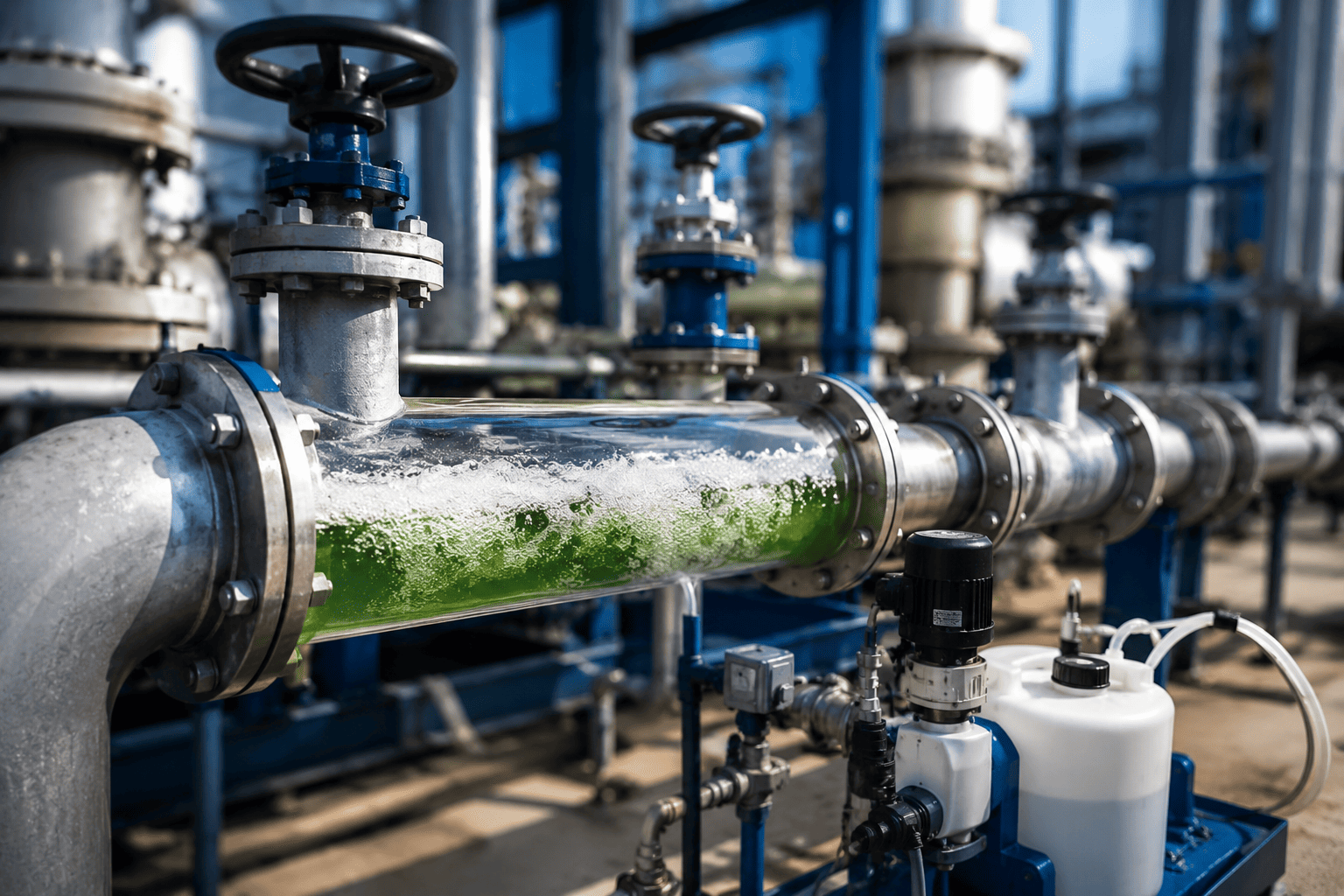
Chemical cleaning in piping is the controlled use of chemical solutions to dissolve, loosen, or suspend deposits inside a pipeline or piping system. It is used when internal buildup cannot be removed effectively through simple flushing alone, or when a system needs a deeper level of cleaning before commissioning, inspection, maintenance, or return to service.
The goal is not just to make a line look cleaner. The goal is to remove contaminants that affect flow, pressure, reliability, product quality, or long-term pipeline performance. When done correctly, chemical cleaning can help restore efficiency, improve system readiness, and reduce the problems that develop when fouling is left in place.
Why Chemical Cleaning Is Used In Piping Systems
Pipelines and process piping can accumulate many types of internal deposits over time. Rust, scale, grease, hydrocarbons, wax, paraffin, construction debris, and corrosion byproducts can all reduce internal capacity and make a system harder to operate efficiently.
Some of these materials can be removed mechanically. Others bond to the pipe wall or build up in a way that requires chemistry to break them down. That is where chemical cleaning becomes useful. Instead of pushing debris forward or scraping it loose, the chemical solution is selected to react with the deposit and help remove it in a controlled way.
This is why chemical cleaning is often used in industrial systems, oil and gas infrastructure, and piping networks that need more than routine flushing. In many cases, it is part of a broader maintenance orpipeline cleaning strategy built around the actual condition of the line.
Pipeline Experts: Inspection, Cleaning, Coating & More
Certified solutions for inspection, pre-commissioning, cleaning, internal coating, ice pigging™, mapping, and turnkey pipeline projects—maximizing safety and reliability at every stage.
What Chemical Cleaning Removes
Chemical cleaning is commonly used to target deposits that can be difficult to remove through basic mechanical methods. The exact chemistry depends on the system, the deposit type, and the material of the pipe.
Common targets include:
Rust and corrosion byproducts
Mineral scale
Grease and oil residue
Wax and paraffin
Fouling from process fluids
Residual contamination left after construction or testing
The right solution has to match the problem. A chemistry that works well for one type of deposit may be ineffective or even harmful in a different system. That is why deposit identification and material compatibility matter before any cleaning plan begins.
When Chemical Cleaning Makes Sense
Chemical cleaning is not the answer for every pipeline. In many systems, flushing, pigging, or another cleaning method may be the better first step. Chemical cleaning becomes more valuable when the deposits are too stubborn, too widespread, or too chemically bonded to be removed efficiently by mechanical contact alone.
It is often used when a line has heavy rust or scale, when hydrocarbon residue is affecting operations, or when internal contamination must be removed before a line can be commissioned, preserved, inspected, or returned to service. It can also make sense after hydrotesting, fabrication, or construction work when internal residue is left behind.
Projects involvingpre-commissioning are a common example. A system may need internal cleaning not just for flow performance, but to make sure it starts service in the right condition and does not carry contamination into the next stage of operation.
How The Chemical Cleaning Process Works
Chemical cleaning is a controlled process, not a simple chemical flush. While the exact method varies by application, most projects follow a similar sequence.
Pre-Cleaning Assessment
The first step is understanding the system. Pipe material, internal coatings, seals, elastomers, service history, deposit type, and downstream impacts all need to be considered before chemistry is introduced.
That evaluation helps determine whether chemical cleaning is appropriate and what chemistry is compatible with the pipeline. It also helps avoid selecting a solution that removes the deposit but creates problems elsewhere in the system.
Initial Flushing Or Preparation
Many systems are flushed before chemical cleaning starts. This helps remove loose debris, reduce unnecessary chemical consumption, and improve contact between the chemistry and the bonded deposits.
Preparation may also involve isolating sections, managing flow paths, or setting up temporary circulation loops depending on the size and layout of the piping.
Chemical Circulation And Contact Time
Once the system is prepared, the selected chemistry is introduced and circulated under controlled conditions. The solution is given time to react with the deposits, loosen them, dissolve them, or suspend them so they can be removed from the system.
This stage has to be monitored carefully. Flow, temperature, contact time, and chemistry strength all affect cleaning performance. Too little contact may leave fouling behind. Too much or the wrong chemistry can create material compatibility concerns.
Neutralization, Rinsing, And Verification
After the deposits have been removed, the spent chemistry is drained or displaced, and the system is rinsed thoroughly. In some cases, neutralization is required before disposal or before the line moves to the next stage of service.
Verification matters just as much as the cleaning itself. A line that still contains chemical residue or loosened contamination may not be ready for operation, testing, or inspection.
What Chemicals Are Used In Chemical Cleaning
Chemical cleaning does not rely on one universal product. The chemistry is selected based on what needs to be removed and what the piping system can safely tolerate.
In general terms, chemical cleaning may involve acid based cleaners for oxides and mineral scale, alkaline cleaners for grease and oily contamination, or specialty blends that include surfactants, solvents, inhibitors, or neutralizers. Some systems may also require passivation after cleaning to help protect the cleaned metal surface.
The important point is that chemical cleaning is a matched process. Deposit type, metallurgy, coating condition, and environmental handling requirements all influence the right chemical approach.
Chemical Cleaning Vs Mechanical Cleaning Methods
Chemical cleaning is only one part of the larger cleaning toolkit. It is most effective when operators understand how it compares with other methods and where it fits best.
Pigging and swabbing are often used when deposits can be displaced, pushed, or mechanically removed through a controlled run. In some systems, that is the most efficient option. In others, mechanical cleaning may remove the easy material but leave bonded fouling behind.
For water systems or applications where controlled mechanical removal is a better fit,Ice Pigging™ can offer a strong alternative. It is especially useful in the right conditions where a non-chemical cleaning method is preferred.
Chemical cleaning becomes the stronger choice when the deposits need to be broken down rather than simply moved. It can also work alongside pigging or other methods as part of a staged cleaning approach. In some projects, cleaning supports inspection readiness before methods such assmart pigging are introduced.
Benefits Of Chemical Cleaning In Piping
When it is selected appropriately and managed correctly, chemical cleaning can solve problems that basic flushing or mechanical cleaning may not fully address.
It can help restore internal diameter, improve flow, reduce pressure loss, remove contamination that affects operations, and prepare the system for the next step in its lifecycle. In some cases, it also supports better inspection conditions by reducing the fouling that can interfere with evaluation or data quality.
The value is not only in what gets removed. It is also in what that removal makes possible afterward, whether that is safer startup, better operating efficiency, improved maintenance planning, or reduced risk of future performance issues.
Risks And Why Professional Oversight Matters
Chemical cleaning can be highly effective, but it also carries real risks when the chemistry, sequence, or disposal plan is not matched to the system.
Material compatibility is one of the biggest concerns. The wrong chemistry can affect internal coatings, seals, gaskets, elastomers, or even the pipe material itself. Incomplete rinsing can leave residue behind. Poor waste handling can create environmental and compliance issues. A rushed process can remove deposits unevenly or shift contamination into places that create new operational problems.
That is why chemical cleaning should be approached as a controlled technical service, not as a generic washout. It requires planning, system knowledge, and an understanding of how the cleaning step affects the entire pipeline.
Pipeline Experts: Inspection, Cleaning, Coating & More
Certified solutions for inspection, pre-commissioning, cleaning, internal coating, ice pigging™, mapping, and turnkey pipeline projects—maximizing safety and reliability at every stage.
How American Pipeline Solutions Supports The Right Cleaning Strategy
American Pipeline Solutions helps clients evaluate pipeline cleaning challenges based on the actual condition of the system, not a one-size-fits-all assumption. Chemical cleaning may be the right fit in some cases, but the better answer may also involve flushing, pigging, swabbing, hydro-jetting, specialty cleaning, or a combination of methods.
That broader perspective matters because pipeline cleaning is rarely just about deposit removal. It is about preparing the line for safe operation, protecting infrastructure, improving performance, and supporting the next phase of work. APS approaches cleaning with that bigger picture in mind across industrial, municipal, and energy-related systems.
When a pipeline needs more than routine maintenance, the right solution starts with understanding what is in the line, what the system can tolerate, and what the project needs to accomplish.
Final Thoughts
Chemical cleaning in piping is the process of using controlled chemical solutions to remove internal deposits that cannot be handled effectively by simple flushing or mechanical cleaning alone. It is a valuable option when rust, scale, grease, hydrocarbons, or other fouling are limiting performance or affecting system readiness.
The process can deliver strong results, but only when the chemistry, cleaning sequence, and post-cleaning steps are matched to the pipeline. Choosing the right method is what protects the system and improves the outcome.
FAQs
What Is Chemical Cleaning In Piping?
Chemical cleaning in piping is the use of controlled chemical solutions to dissolve, loosen, or suspend deposits inside a pipeline or piping system. It is commonly used to remove rust, scale, grease, fouling, and other internal contamination.
When Is Chemical Cleaning Needed In A Pipeline?
Chemical cleaning is often needed when buildup is too stubborn for flushing alone, when pigging cannot fully solve the problem, or when a line needs to be cleaned before commissioning, testing, inspection, or return to service.
What Types Of Deposits Can Chemical Cleaning Remove?
Depending on the chemistry and the system, chemical cleaning can remove rust, corrosion byproducts, mineral scale, grease, oil residue, wax, paraffin, and other process-related fouling.
Is Chemical Cleaning Better Than Pigging?
Not always. Pigging is often the better choice when deposits can be displaced or mechanically removed. Chemical cleaning is more useful when deposits need to be chemically broken down. In some projects, both methods are used together.
Can Chemical Cleaning Damage Pipes?
It can if the wrong chemistry is used or if material compatibility is not evaluated properly. Pipe material, coatings, seals, and downstream systems all need to be considered before chemical cleaning starts.
What Happens After Chemical Cleaning?
After the cleaning stage, the system is usually rinsed, and in some cases neutralized or passivated. Verification is also important to confirm that the line is clean and ready for the next stage of service.
Is Passivation Always Required After Chemical Cleaning?
Not always. Passivation depends on the pipe material, the chemistry used, and the service conditions. Some metallic systems may benefit from it to help protect the cleaned internal surface.
How Do You Know If Chemical Cleaning Is The Right Option?
The right choice depends on deposit type, pipeline material, operating conditions, project goals, and whether mechanical cleaning methods can solve the problem effectively. A proper assessment helps determine the best approach.


