
How Often Should Pipelines Be Inspected?
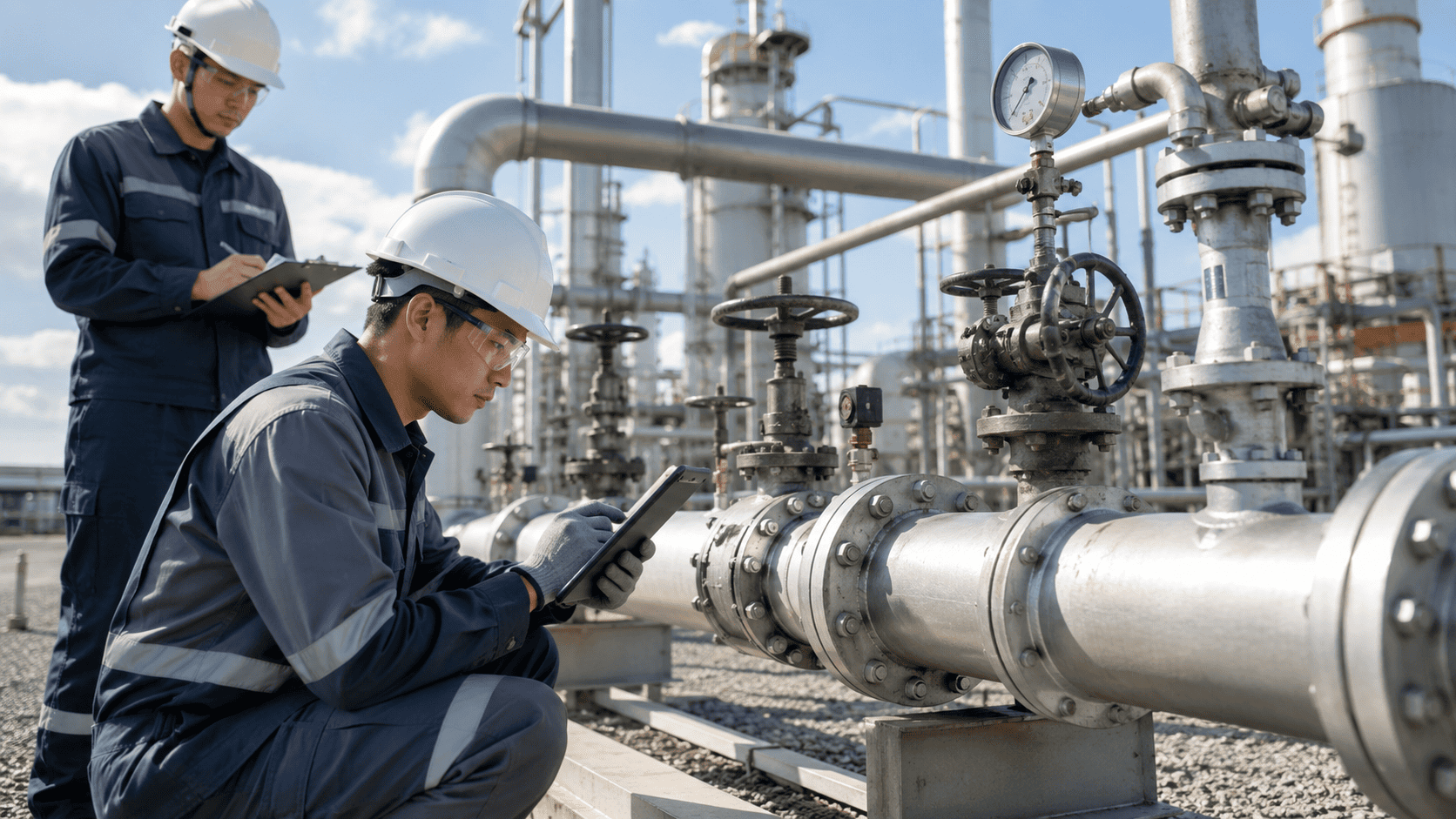
There is no single inspection interval that applies to every pipeline. Some systems require routine monitoring throughout the year, while comprehensive internal inspections may be scheduled several years apart.
The correct frequency depends on the pipeline’s material, service, operating conditions, regulatory requirements, previous inspection results, and the consequences of a potential failure. A high-pressure gas pipeline passing through a populated area will require a different inspection strategy than a low-pressure industrial water line.
Pipeline operators should therefore treat inspection frequency as a risk-based decision, not simply a date on a calendar.
How Often Should A Pipeline Be Inspected?
Pipeline inspection schedules can range from frequent operational checks to multi-year integrity assessments. Routine surveillance, leak monitoring, and corrosion control testing may occur annually or more often, while Smart Pig inspections and other detailed condition assessments may follow longer intervals.
Some regulated gas transmission pipelines are subject to integrity reassessment periods that cannot exceed seven calendar years. Certain hazardous liquid pipelines in high-consequence areas may require reassessment at least every five years.
These maximum intervals should not automatically become the default schedule. Pipelines with active corrosion, severe anomalies, operational changes, or high failure consequences may need to be inspected much sooner.
Pipeline Experts: Inspection, Cleaning, Coating & More
Certified solutions for inspection, pre-commissioning, cleaning, internal coating, ice pigging™, mapping, and turnkey pipeline projects—maximizing safety and reliability at every stage.
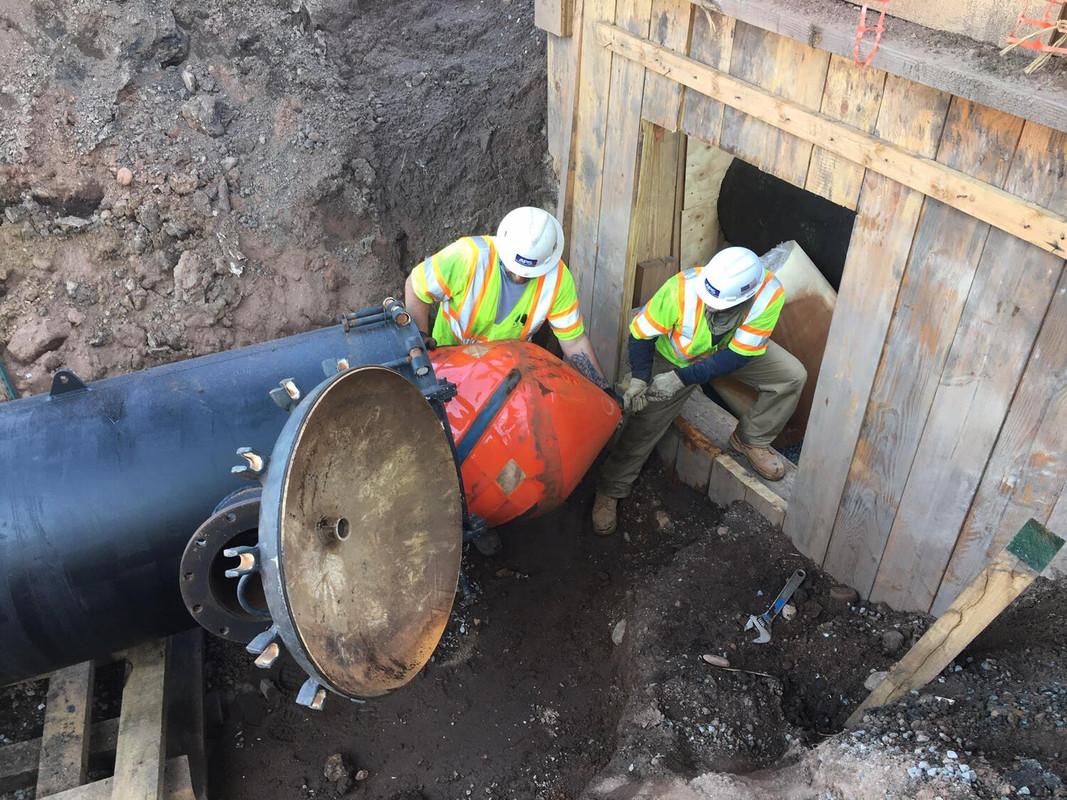
Not Every Pipeline Inspection Is The Same
The term pipeline inspection can refer to several different activities. Each one provides different information and may follow a separate schedule.
A strong integrity program combines routine monitoring with periodic condition assessments rather than relying on a single inspection method.
Routine Monitoring And Patrols
Routine monitoring includes reviewing pressure, flow, leak indicators, operational data, and visible conditions along the pipeline route. Right-of-way patrols may also identify erosion, excavation activity, exposed pipe, ground movement, or other external threats.
These activities may occur continuously, monthly, quarterly, or according to regulatory and operating requirements.
Leak Surveys
Leak surveys are used to identify escaping gas, liquid, or water before the problem develops into a major failure. The required frequency depends on the pipeline type, operating pressure, location, and applicable regulations.
Pipelines in populated areas, environmentally sensitive locations, or critical service zones may require more frequent leak surveys.
Corrosion Control Testing
Cathodic protection systems help control external corrosion on buried metallic pipelines. For many regulated gas pipelines, cathodic protection must be tested at least once each calendar year, with intervals generally not exceeding 15 months.
Additional checks may be necessary when readings indicate inadequate protection, electrical interference, coating failure, or other corrosion concerns.
Internal Pipeline Inspection
Internal inspection uses tools that travel through the pipeline to collect condition data. Depending on the system, these tools may use magnetic flux leakage, ultrasonic sensors, calipers, eddy current technology, or inertial measurement units.
APS provides comprehensive pipeline inspection services to help operators identify corrosion, metal loss, dents, changes in geometry, wall thickness concerns, and other integrity threats.
What Determines Pipeline Inspection Frequency?
The next inspection date should be based on the pipeline’s actual risk profile. Several factors can shorten or extend the inspection interval.
Pipeline Material And Construction
Steel, cast iron, ductile iron, PVC, HDPE, and mixed-material pipelines experience different types of deterioration.
Metallic pipelines may be vulnerable to internal and external corrosion, pitting, cracking, and coating failure. Plastic pipelines may develop deformation, ovality changes, kinks, joint problems, or damage caused by ground movement.
Construction features such as welds, joints, bends, valves, diameter changes, and repairs can also affect inspection planning.
Product Or Material Being Transported
The contents of a pipeline have a direct effect on its condition. Oil, natural gas, chemicals, drinking water, wastewater, and industrial process fluids create different corrosion, pressure, contamination, and abrasion risks.
Pipelines carrying corrosive chemicals or abrasive materials often need closer monitoring than systems operating under mild conditions.
Pressure, Temperature, And Flow
High operating pressure increases the potential consequences of a defect. Pressure cycling can also contribute to fatigue and crack growth over time.
Extreme temperatures, high flow velocity, solids, and unstable operating conditions may accelerate wear and justify more frequent inspection.
Previous Inspection Results
Inspection history is one of the strongest factors in determining the next interval.
A pipeline with minimal deterioration and stable operating conditions may support a longer period between detailed assessments. A line with active corrosion, growing defects, unexplained wall loss, or previous repairs may require closer monitoring.
Repeat inspections allow operators to compare condition data, estimate corrosion growth, and determine whether anomalies are stable or becoming more severe.
Location And Consequence Of Failure
Pipelines near homes, businesses, waterways, transportation corridors, or environmentally sensitive areas may require more conservative inspection schedules.
Critical water transmission mains and pipelines with limited backup capacity may also need additional attention because a failure could disrupt service for a large number of customers.
Pipeline Age
Age can influence inspection planning, but it should not be used as the only decision factor. A properly maintained older pipeline may remain in better condition than a newer line exposed to aggressive soil, corrosive products, or poor operating conditions.
Condition data is generally more useful than age alone.
When Should A Pipeline Be Inspected Immediately?
Operators should not wait for the normal inspection date when signs of a possible integrity problem appear.
An immediate assessment may be necessary following:
An unexplained pressure drop or loss of flow
Evidence of leakage or product contamination
Flooding, landslides, erosion, or seismic activity
Third-party excavation or suspected impact damage
A pressure excursion or abnormal operating event
Discovery of severe corrosion elsewhere in the system
A stuck, damaged, or unexpectedly worn pig
Significant pipeline repairs or operating changes
Unusual debris recovered during cleaning
These events can change the condition or risk profile of the pipeline. Inspection timing should be adjusted accordingly.
How Inspection Results Set The Next Interval
Pipeline inspection should produce more than a list of defects. The results should support maintenance planning, repair decisions, and future inspection scheduling.
A condition-based process generally includes:
Establishing the current pipeline condition
Identifying and classifying anomalies
Evaluating defect severity and failure risk
Estimating corrosion or deterioration rates
Prioritizing repairs and monitoring needs
Selecting a justified reassessment interval
A pipeline with active wall loss may require repair and an earlier follow-up inspection. A stable system with reliable data may support a longer interval, provided regulatory and operational requirements are still met.
Which Pipeline Inspection Method Is Appropriate?
The best inspection method depends on the pipeline material, geometry, access, operating condition, and type of defect being investigated.
Smart Pigging
Smart Pigging provides detailed internal condition data while the inspection tool travels through the line. Sensors can evaluate wall thickness, corrosion, pitting, dents, ovality, geometry changes, and pipeline location.
APS uses advanced Smart Pigging services to support metallic, plastic, and mixed-material pipeline systems.
Camera Inspection
Camera inspection provides visual images of internal pipeline conditions. It is useful for identifying visible deposits, coating damage, obstructions, joint issues, and other surface conditions.
However, a camera cannot always detect hidden corrosion, external metal loss, or subtle wall thickness changes.
Acoustic Leak Detection
Acoustic inspection can help identify sounds and pressure characteristics associated with leakage. It may be used alone or combined with other technologies to improve the overall condition assessment.
Hydrostatic Testing
Hydrostatic testing evaluates whether a pipeline can safely withstand a specified pressure. It can verify pressure integrity, but it does not always identify the exact location or type of every defect.
For that reason, pressure testing is often combined with internal inspection, mapping, or other condition assessment methods.
Why Pipeline Cleaning Matters Before Inspection
A pipeline may need to be cleaned before an internal inspection tool can collect reliable data.
Scale, sediment, wax, sludge, standing liquid, and other debris can interfere with sensors or prevent the tool from moving properly. Heavy deposits may also increase the risk of a failed inspection run or damaged equipment.
Professional pipeline cleaning services can prepare the line through conventional pigging, swabbing, foam pigs, or specialized cleaning methods.
A gauge pig may also be used to confirm that the pipeline has sufficient internal clearance. However, passing a gauge pig does not always prove that the line is clean enough for inspection. Proper cleaning and inspection readiness should be evaluated separately.
Pipeline Experts: Inspection, Cleaning, Coating & More
Certified solutions for inspection, pre-commissioning, cleaning, internal coating, ice pigging™, mapping, and turnkey pipeline projects—maximizing safety and reliability at every stage.
How American Pipeline Solutions Supports Inspection Planning
American Pipeline Solutions helps utilities, municipalities, energy companies, and industrial operators build inspection strategies around the actual condition of their pipelines.
The process begins by reviewing the pipeline material, diameter, geometry, operating pressure, service history, and inspection goals. APS can then recommend an appropriate combination of cleaning, Smart Pigging, camera inspection, acoustic leak detection, pressure testing, or condition analysis.
Inspection data can also be combined with pipeline mapping to provide XYZ coordinates and more accurately locate anomalies requiring repair or monitoring.
With nationwide capabilities, experienced technicians, advanced inspection technology, and strong safety credentials, APS supports pipeline projects from initial preparation through data review and maintenance planning.
Frequently Asked Questions
What Is A Pipeline Inspection?
A pipeline inspection evaluates the physical condition, structural integrity, geometry, or pressure performance of a pipeline. Methods may include Smart Pigging, camera inspection, ultrasonic testing, magnetic flux leakage, acoustic leak detection, and hydrostatic testing.
How Often Should Gas Pipelines Be Inspected?
Gas pipeline inspection frequency depends on whether the system is a transmission pipeline, distribution main, service line, or building gas line. Regulatory requirements, operating pressure, location, material, and previous findings all affect the schedule.
How Often Should Oil Pipelines Be Inspected?
Hazardous liquid pipelines may follow multi-year integrity assessment schedules, including five-year reassessments for certain pipeline segments affecting high-consequence areas. Higher-risk findings can require earlier inspection.
How Often Should Water Pipelines Be Inspected?
Water pipeline schedules are generally based on criticality, material, failure history, service importance, and utility asset management plans. Critical transmission mains may be assessed more frequently than lower-risk distribution lines.
How Often Should Smart Pigging Be Performed?
Smart Pigging frequency should be determined by inspection results, corrosion growth, operating conditions, pipeline risk, and regulatory requirements. The longest permitted interval may not be appropriate for every system.
Does Pipeline Cleaning Count As An Inspection?
Pipeline cleaning and inspection are different services. Cleaning removes deposits and prepares the line, while inspection gathers information about pipeline condition. However, material recovered during cleaning may reveal signs that further inspection is necessary.
Can Camera Inspection Detect Pipeline Corrosion?
Camera inspection can identify visible corrosion and surface deterioration. It may not detect hidden wall loss, external corrosion, or small defects beneath deposits or coatings.
Can APS Inspect Metallic And Plastic Pipelines?
Yes. APS can inspect steel, cast iron, ductile iron, PVC, HDPE, and mixed-material pipelines using inspection technologies selected for the material, geometry, and project objective.


