
The Hidden Dangers Of DIY Pigging: Why Pipeline Cleaning Should Be Left To Professionals

Pipeline pigging is one of the most effective ways to restore flow, remove buildup, and improve overall system performance. When planned correctly, it can support cleaner lines, better efficiency, and more reliable operation across utility, industrial, and pressure pipe systems.
As more operators become familiar with pigging methods, some may wonder whether pipeline cleaning can be handled in-house. On the surface, DIY pigging may look like a way to save money or speed up maintenance.
In reality, pipeline pigging is not a simple do-it-yourself task. Without the right planning, equipment, and field experience, it can create safety risks, damage infrastructure, and turn a maintenance project into a costly disruption.
Why DIY Pigging Creates More Risk Than Most Operators Expect
A pigging run is not just about getting a pig from one end of the line to the other. It is about understanding the pipeline, choosing the right approach, and controlling how the system responds during cleaning.
That is where DIY pigging often goes wrong. A pipeline may appear straightforward, but internal conditions, geometry, buildup, and operating variables can make the run far more complex than expected.
When the planning is incomplete, even a basic cleaning run can lead to a stuck pig, service interruption, or avoidable damage.
Every Pipeline Has Different Conditions
No two pipelines behave exactly the same way.
Pipe material, internal diameter changes, fittings, valves, bends, service connections, flow conditions, and system age all affect how a pig will travel through the line. A pig that works well in one pipeline may not perform the same way in another.
Older systems can be especially unpredictable. Years of buildup, unknown restrictions, internal deterioration, or undocumented changes may all affect pig movement and cleaning results.
That is why professional pigging projects begin with a detailed review of the system. Before cleaning starts, experienced teams assess pipeline configuration, operating conditions, likely obstructions, access points, and launch and recovery needs.
Skipping that step increases the chance of failure before the run even begins.
Pipeline Experts: Inspection, Cleaning, Coating & More
Certified solutions for inspection, pre-commissioning, cleaning, internal coating, ice pigging™, mapping, and turnkey pipeline projects—maximizing safety and reliability at every stage.
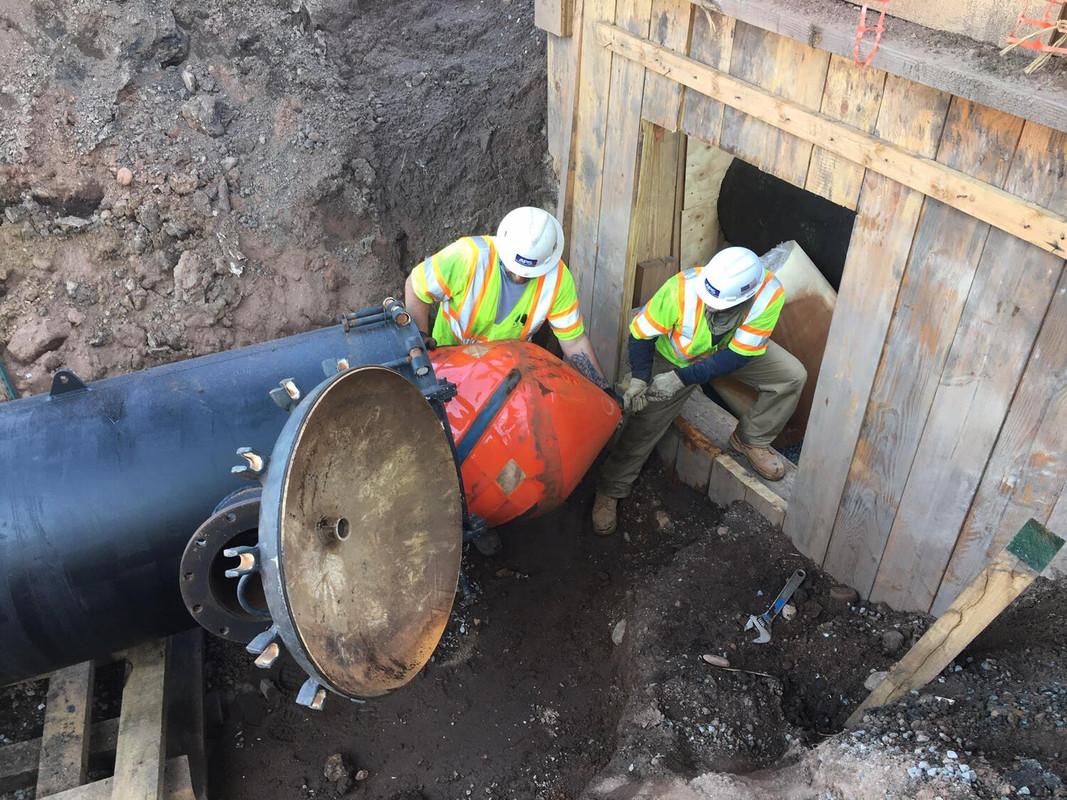
A Stuck Pig Is More Than An Inconvenience
One of the biggest dangers in DIY pigging is the risk of a stuck pig.
When a pig becomes lodged in the line, the situation can escalate quickly. What started as a maintenance task may now involve troubleshooting, shutdowns, excavation, bypass planning, recovery work, and repair costs.
In some cases, the recovery effort can cost far more than the original cleaning project. It can also create extended downtime and added pressure on operations teams trying to restore service.
Professional pigging contractors reduce this risk by selecting the right pig type, reviewing the line conditions carefully, and monitoring the run in real time. That preparation helps prevent problems before they become expensive emergencies.
Cleaning Too Aggressively Can Create New Problems
Pipeline cleaning has to be controlled. Removing deposits is important, but removing too much material too quickly can create operational issues of its own.
Pipelines with years of accumulated scale, debris, sediment, or residue may release large volumes of material during a pigging run. If that cleaning is too aggressive, the loosened debris can affect downstream equipment, restrict flow temporarily, overload processes, and create service complaints.
The goal is not just to remove buildup. The goal is to remove it in a way the system can handle safely.
Professional crews monitor conditions throughout the run and adjust the cleaning strategy as needed. That balance is difficult to achieve with a DIY approach, especially when the true condition of the line is uncertain.
Pipeline Pigging Involves Serious Safety Hazards
Pipeline pigging is not only a cleaning process. It is also a pressurised operation that can involve heavy equipment, specialised launch and retrieval procedures, confined work areas, and jobsite hazards.
Without proper procedures, personnel may be exposed to sudden pressure release, equipment failure, excavation hazards, chemical exposure, traffic risk, or confined space dangers. These are not minor concerns, and they should never be managed casually.
Professional pigging providers build safety planning into the entire project. That includes hazard review, jobsite procedures, pressure management, monitoring, and trained personnel who know how to respond if conditions change.
When pigging is attempted without that level of preparation, the consequences can reach far beyond the pipeline itself.
Successful Pigging Requires More Than Just The Pig
A common misconception is that pigging success depends mostly on the pig itself.
In reality, a successful pipeline cleaning project depends on the full operation around it. That may include launchers and receivers, tracking equipment, pressure monitoring tools, flow control support, bypass planning, and a cleaning method that matches the actual condition of the line.
Using the wrong pig, the wrong size, or incompatible support equipment can reduce cleaning performance and increase the chance of damage or a failed run.
Professional pigging teams bring not only the proper tools, but also the experience to match those tools to the application. That is one of the biggest differences between a controlled cleaning project and a trial-and-error attempt.
Experience Helps Prevent Expensive Mistakes
The value of experienced pigging professionals is not limited to execution. It is also about judgement.
Experienced teams have seen difficult line conditions before. They understand how severe buildup, restricted access, unusual geometry, pressure limitations, or recovery challenges can affect a project. That knowledge helps them identify risks early and adapt before small issues become major problems.
DIY pigging removes that layer of decision-making. When something unexpected happens, inexperienced teams may not know the safest or most effective next step.
That is when delays grow, costs rise, and the original goal of saving money disappears.
DIY Pigging Can Cost More In The Long Run
DIY pigging often looks less expensive at the beginning, but the hidden costs can add up quickly.
A stuck pig, damaged equipment, uncontrolled debris release, repeat cleaning, or extended downtime can turn short-term savings into a much larger expense. Even when the line is eventually cleaned, the project may take longer, create more disruption, and deliver less predictable results.
Professional pipeline cleaning helps reduce those risks by treating pigging as a technical service, not a shortcut.
For operators responsible for service reliability, asset protection, and safe operation, that difference matters.
Pipeline Experts: Inspection, Cleaning, Coating & More
Certified solutions for inspection, pre-commissioning, cleaning, internal coating, ice pigging™, mapping, and turnkey pipeline projects—maximizing safety and reliability at every stage.
Why Professional Pipeline Cleaning Delivers Better Results
Pipeline pigging is a powerful maintenance tool when it is done correctly. It can improve flow, remove buildup, support cleaning goals, and prepare a line for further inspection or rehabilitation.
But the benefits do not come from the pig alone. They come from planning, engineering awareness, operational control, and safe execution.
That is why pipeline cleaning should be left to professionals. The right team can help protect infrastructure, reduce downtime, improve cleaning outcomes, and complete the work with greater confidence from start to finish.
Why Operators Trust American Pipeline Solutions
American Pipeline Solutions provides specialised pipeline services designed to improve performance, protect infrastructure, and support long-term pipeline integrity.
Rather than taking a one-size-fits-all approach, APS evaluates the condition and requirements of each system to determine the right cleaning, pigging, inspection, or maintenance strategy. That is especially important when a project involves older lines, unknown buildup conditions, pre-commissioning needs, or a higher risk of pigging complications.
With expertise across pipeline pigging, pipeline inspection, condition analysis, pre-commissioning support, Ice Pigging™, internal pipe coating, and related services, APS helps utilities and industrial operators plan projects with safety, efficiency, and reliability in mind.
When the goal is not just to move a pig through the line, but to complete the work safely and effectively, experience matters.
FAQs
Is DIY Pigging Ever A Good Idea?
In most cases, DIY pigging creates more risk than value. Pipeline cleaning requires careful planning, proper equipment, and experience with line conditions, pressure management, and recovery procedures.
What Are The Main Risks Of DIY Pipeline Pigging?
The biggest risks include a stuck pig, equipment damage, safety hazards, poor cleaning results, service interruptions, and higher recovery costs if the run does not go as planned.
Why Does A Pig Get Stuck In A Pipeline?
A pig can become stuck because of debris, internal restrictions, diameter changes, valves, bends, damaged pipe, or using the wrong pig for the system. Incomplete evaluation is one of the most common causes.
Can DIY Pigging Damage A Pipeline?
Yes. Using the wrong pigging method or equipment can damage pipeline components, create flow problems, or place unnecessary stress on the system. That is why pig selection and operational control are so important.
What Makes Professional Pigging Safer?
Professional pigging services include system assessment, equipment matching, monitoring, safety planning, and experienced field crews. That reduces the chance of a failed run and improves the ability to respond if conditions change.
Is Pigging Only About Cleaning?
No. Pigging can support cleaning, dewatering, batching, gauging, and preparation for other pipeline services. In some cases, pigging is also part of a broader maintenance or integrity strategy.
How Do I Know If My Pipeline Needs Professional Pigging?
If your system has buildup, flow issues, aging infrastructure, unknown internal conditions, or needs cleaning before inspection or commissioning, professional pigging is usually the safer and more effective option.
What Should Operators Consider Before Any Pigging Project?
Operators should consider pipeline condition, geometry, obstructions, buildup type, operating pressure, access points, recovery planning, and overall project goals. Those factors help determine the safest and most effective pigging strategy.


